Party: Couple
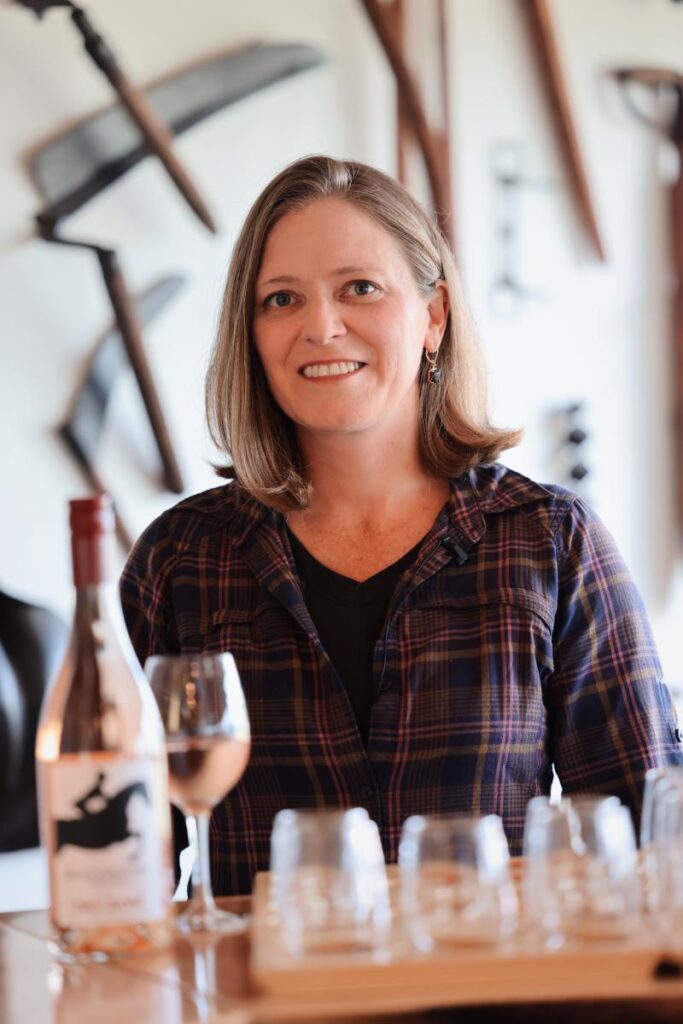
The Hunt family started crafting wine in 1981 and has been farming west of Keuka Lake in New York’s Finger Lakes region for seven generations. Hunt Country Vineyards is committed to responsible farming and caring for the land that gives us so much. They have reduced fossil fuel use by installing award-winning solar and geothermal systems. A portion of the vineyards are certified organic and several wines are made from organic grapes. Hunt Country Vineyard received the 2020 Sustainability Award from the New York Wine & Grape Foundation for its sustainability practices.
Growing up on the farm and with the winery inspired Suzanne Hunt’s passion for sustainability, climate solutions, and clean energy. She’s spearheaded a multitude of sustainability and climate resilience efforts. In 2021 Suzanne and her parents were recognized by Wine Business Monthly as some of the top leaders who shape the way the wine industry operates. In this interview, Suzanne shares ways others in the industry can work on being more sustainable.
Has Hunt Country Vineyards always been environmentally focused?
Suzanne Hunt: Yes, my parents bought the family farm from the previous generation in the 1970s because they wanted to live on the land. Environmental concerns have shifted somewhat over time. Decades ago, the key concerns for ecologically-minded farmers were things like DDT, erosion, and fertilizer leaching into water supplies. Nowadays the most pressing concerns include climate change, ‘forever chemicals’, invasive species, and loss of pollinators. Soil conservation has shifted to more complex considerations of soil health and soil as a tool in carbon sequestration and storage. Wildlife stewardship, erosion, and water quality concerns have been fairly consistent.
“The nuts-and-bolts of sustainable vineyard practices are waste reduction, energy and water conservation, and other essentials. But I would stress advocacy and customer education as well.”
Which processes were easier to implement?
SH: Well, every change requires effort. But some of the things we’ve done that are relatively straightforward and not difficult include: using only compost and manure as fertilizer instead of synthetic fertilizers, switching to efficient LED lighting, using eco-flooring and other eco-building materials, using lightweight/eco glass bottles, recycling, installing bird and bat boxes, and planting pollinator habitat.
What were some of the more challenging processes you experienced making the shift to a more environmentally focused vineyard?
SH: We have struggled with weed control in our certified organic vineyards. With a permanent crop like vines, we don’t have as many tools in our toolkit as our organic farmer friends who grow annual crops and can rotate crops and so on.
We were the first large complex geothermal system that the local companies had installed over a decade ago when we invested in a geothermal system to heat and cool all of our large buildings. The installers were learning as they went so we’ve had a lot more challenges with our geothermal system than folks will have now that there are more experienced installers, and better quality equipment that comes with diagnostic tools to target maintenance.
When we installed 348 solar panels on our building roofs in 2015, it took quite a lot of time and effort. Our local banks had never financed large commercial solar power systems so we arranged for the President of the NY Green Bank and some of his staff to spend an afternoon fielding their questions related to warranties, equipment depreciation, etc. Getting the permits was also much more of a struggle than it should have been.
We’ve had a harder time because we’ve been making these changes before they were common practice. It will be easier for other businesses that make the investments now.
What do you think are some of the most important practices of an environmentally focused winery?
SH: There are the nuts-and-bolts sustainable vineyard practices, waste reduction, energy and water conservation, and other essentials. But I would stress advocacy and customer education as well. The environmental challenges we face require direct action. Changing practices on our farms and in our businesses as well as society-wide approaches. Many of these environmental challenges are system-wide and societal challenges that require policy, regulatory, and systems changes.
As a highly visible industry, our voices as business leaders carry weight. We need to use them. And, we are also a rare part of farming where the public actually comes to spend time at our farms, which is an opportunity to help raise awareness and activate our customers.
Back to the nuts and bolts: farming involves challenging physical and economic conditions that are constantly changing – so it’s important to focus on constant improvement as our scientific knowledge expands and the tools available to us evolve. It is also critical to focus on practices that will enhance the resilience of your operation as well as provide environmental benefits. A good example of a practice that achieves multiple goals, including enhancing resilience to extreme dry and extreme wet conditions (which will worsen as climate change intensifies), is enhancing soil organic matter.
The new New York State Sustainable Winegrowing certification program is a good place to start. Growers and wineries can go through hundreds of aspects of their business and identify areas for improvements related to environmental impacts but also safety and other social and economic sustainability metrics.
What other local (or national) wineries are doing the work?
SH: We are the first New York winery to join the International Wineries for Climate Action (IWCA) organization that was co-founded by two large international wineries: Torres Family Winery (from Spain) and Jackson Family Winery (headquartered in California). But the IWCA has members of all sizes including Cakebread Cellars, Opus One, and other well-known brands. To become a member you have to go through a rigorous greenhouse gas accounting process and third-party audit.
About a dozen New York winery owners serve on the New York Wine and Grape Foundation’s Sustainability Advisory Committee which I chaired until recently. We have spent the past several years developing and testing out a sustainability certification program designed for New York grape and wine producers. Currently, we, and several dozen other Finger Lakes producers, are in the process of getting certified. Soon New York wine drinkers will start seeing the New York Sustainable Winegrowing ‘Trustmark’ on our websites, social media posts, and eventually bottle labels.
What do people need to look out for to confirm if a winery has sustainable practices?
SH: Consumers can look for trust marks but until now we didn’t have a comprehensive sustainability certification that was relevant to New York wine growers. So the most important thing consumers can do is ask questions and get to know the wineries that they frequent. Read articles like this and educate yourself on who the leaders are and support them!
“Every generation that came before us had to innovate to succeed in farming and business. We are no different, but the pace of change is accelerating, making innovation even more critical to our ability to succeed.”
What inspired your passion for climate solutions and clean energy?
SH: This place. Growing up on the farm and with the winery. It was really hard-going for my parents when I was a kid. They, and their contemporaries, were building a New York wine industry almost from the ground up after the grape market crashed. They made sure my siblings and I could follow our passions and mine was always the environment.
I was able to get degrees in Environmental Science, Natural Resources Management, and International Affairs and work in the environmental field all over the world before returning home. I still work in sustainable infrastructure, agriculture, and transportation-related policy. Although you could argue that having two full-time jobs is not sustainable!
Why is innovation so important?
SH: Farming has always been hard. Nowadays the impacts of climate change, labor shortages, economic crises, and other disruptions are making it even harder. Every generation that came before us had to innovate to succeed in farming and business. We are no different, but the pace of change is accelerating, making innovation even more critical to our ability to succeed.
What are some ways Hunt Country Vineyards has had to innovate?
SH: So many ways! The winery was an innovation in response to the grape market crash. In the 1970’s after the grape market crashed my parents learned how to make wine out of the hundreds of tons of grapes they couldn’t sell. Not all of the varieties that they were growing were desirable for winemaking, but the vineyards were the collateral on the loans they took out to plant the vines so they couldn’t rip them out. So my dad worked with Cornell and pioneered cold climate field grafting and grafted new varieties onto some of the existing vineyards.
In the 1980’s our ice wine bottles were too small for our labeling machine so my dad attached an electric motor to a manual labeler from 1910. There are countless examples like that. My mom helped start up several Finger Lakes wine promotion organizations and programs.
Most recently, the release of our Uncharted Terroir (UT) line of wines is an innovation in response to the unpredictable impacts of climate change. Our UT wines are made from hybrid grape varieties that have typically been looked down on in the wine world. But when you give these grapes the same love and attention as their vinifera cousins, you can make outstanding wines.
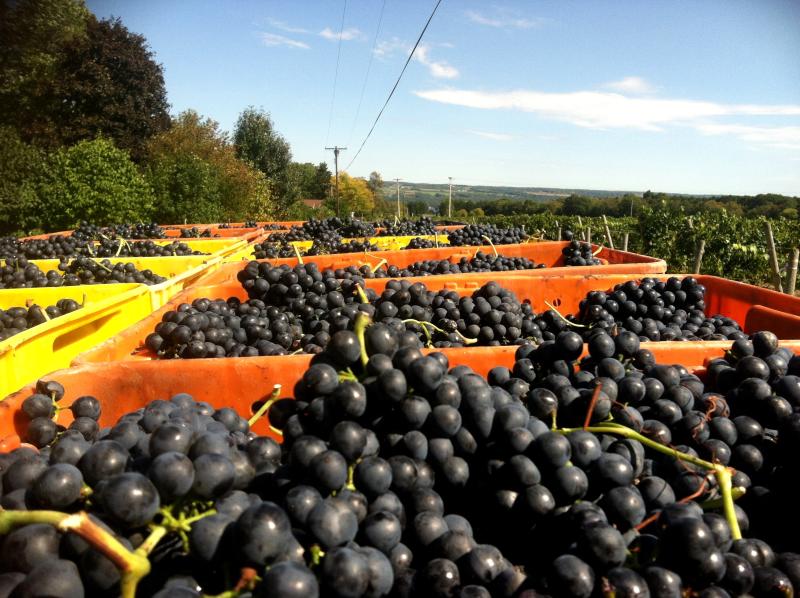
Hybrid grapes are far more resilient and rugged than vinifera grapes, so they can withstand and bounce back from the increasingly frequent extreme weather events we are facing. For example, the surprise frost in May 2023 that hammered vineyards in New York devastated our Cabernet Franc, Chardonnay, and Riesling. But our Vidal Blanc and Vignoles look like they’ll still give us a significant crop.
What advice can you offer smaller wineries that don’t have huge budgets to invest in large sustainability-focused infrastructures/processes, but want to be more environmentally conscious?
SH: Work with your local soil and water department. They can often help with technical assistance and potentially partner on grants to help test out or implement new practices. Right now we are working with our local soil and water department on a project to study the effects of adding compost and biochar to our vineyards and hay fields funded in part by a climate-smart agriculture grant. We are also working with them, along with some of our neighbors, to test out an under-the-row mower.
Develop a strong relationship with a local bank so that you can use loans to pay for some of the investments with shorter payback periods. Develop partnerships. For example, we partnered with Tesla to install five electric vehicle charging stations in our parking lot.
In what ways are you looking to expand in the future?
SH: We’re always looking for new ways – big and small – to improve. My dad is always tweaking, and even inventing new machines and strategies to try to improve practices in the vineyards. We’ve worked closely with researchers at Cornell over the decades on improved management strategies and will continue that collaboration.
From a climate impact perspective, packaging is one of the biggest sources of greenhouse gas emissions from the wine industry. Glass manufacturing requires an enormous amount of heat, and in the U.S. right now that heat is supplied primarily by fossil fuels. I’m in the very early stages of working with large wineries to try to create enough demand to get our glass suppliers to work with the government and renewable fuel suppliers to slash their emissions. We’re also always working on phasing in electric vehicles.
In collaboration with scientists at the US Department of Agriculture, we are going to plant a 5-acre field next to the forest on our farm with wildflowers to support native pollinator populations – many of which are ground-dwelling and benefit from proximity to forest habitat. We’ll manage the field to keep in wildflowers into the future.
From a broader ‘what people need right now’ perspective, we are focusing on getting people here for hands-on (phones off) workshops and retreats focused on skills development, enhancing well-being, community building, and problem-solving.
Our advocacy is focused on the implementation of the New York climate law and on the conservation title of the federal Farm Bill which is only renewed once every five years.
In addition to being a co-owner of her family’s seventh-generation farm and winery, Suzanne Hunt is the Vice President for Public Policy for Generate Upcycle, PBC which finances, builds, owns, and operates sustainable infrastructure projects in North America and Europe.
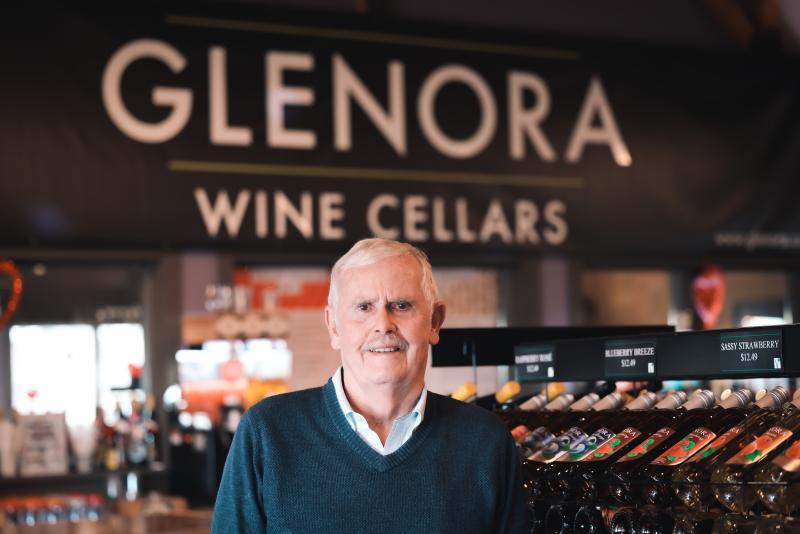
It takes courage and a sense of adventure to be a trailblazer and Glenora Wine Cellars was the first winery on Seneca Lake. Gene Pierce, along with Eastman Beers, Edward Dalrymple, and Howard Kimball jumped at the opportunity to open the winery after the Farm Winery Act of 1976 was passed.
In 1987, the winery expanded its production facility, and retail sales area and added a restaurant, The Wine Garden Café. This was the first winery restaurant on the western shores of Seneca Lake. They introduced a unique winery resort to the region with a 30-room Inn and Veraisons Restaurant in 2000. Offering guests the finest accommodations and farm-to-table cuisine after exploring our Wine Trails.
Widely known for its warm hospitality and outstanding lakeside setting Glenora Wine Cellars has been producing award-winning Finger Lakes wines and offering year-round hospitality since 1977. Today, the owners are Gene Pierce and Scott Welliver and we got to speak with Gene about being a trailblazer and what’s next after nearly 50 years!
How have you seen the culture of the wine industry changing since Glenora’s inception in the 1970s?
Gene Pierce: Most wineries in the 1980s and early 1990s were formed by people who were already in the wine and grape industry, knew one another, and did things together; it was a more cohesive group. Today, people are coming in from outside; we don’t know if they are aware of the region’s history and culture.
As the first winery on Seneca Lake, what changes have you seen?
GP: Almost everything! We’ve witnessed the viewpoint grow from one winery in 1977 to over 60 now. From very few accommodations to numerous today, with even major brands, such as the Hilton, being here. Airbnbs, etc. We’ve seen the industry’s influence on tourism, restaurants, entertainment, and more.
In your opinion, what makes the offering at Glenora Wine Cellar unique to other wineries in the region?
GP: In a lot of ways, perhaps Glenora isn’t that unique if you look at what other wineries are doing, (food trucks, music, etc) Our restaurant started in 1988 and we expanded our lodging facilities soon after. One of the unique things is our VIEW – when you stand or sit on the deck at Glenora, you can literally see from Wagner to almost Watkins Glens. We did not develop this, but this is a gift and different from the other wineries on Seneca Lake.
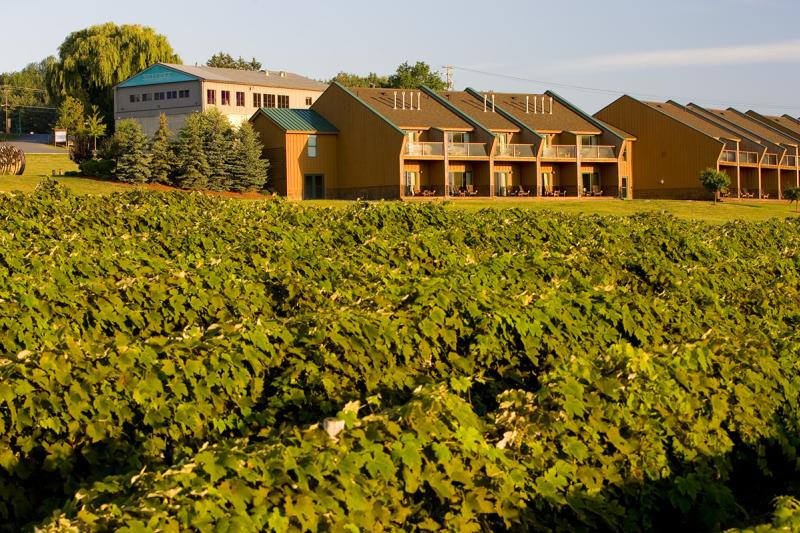
Another feature that distinguishes Glenora is our lodgings; we take winemaking and tastings seriously, but we also provide an inn and a restaurant. There is no other winery that provides these services in one location.
In 1987 the Wine Garden Café was the first winery restaurant located on the western shores of Seneca Lake. Since 2000 the 30-room Inn and Veraisons Restaurant have been in operation. What’s next for both of those locations?
GP: At this point in the industry’s development, from a winemaking and hospitality standpoint, we really want to make sure our next moves will fit within Glenora and the industry. The Garden Cafe was a shot in the dark. We spent millions of dollars on the restaurant and inn, and people questioned both of those decisions, but we felt confident it would succeed. Maybe a Ferris wheel should be NEXT!
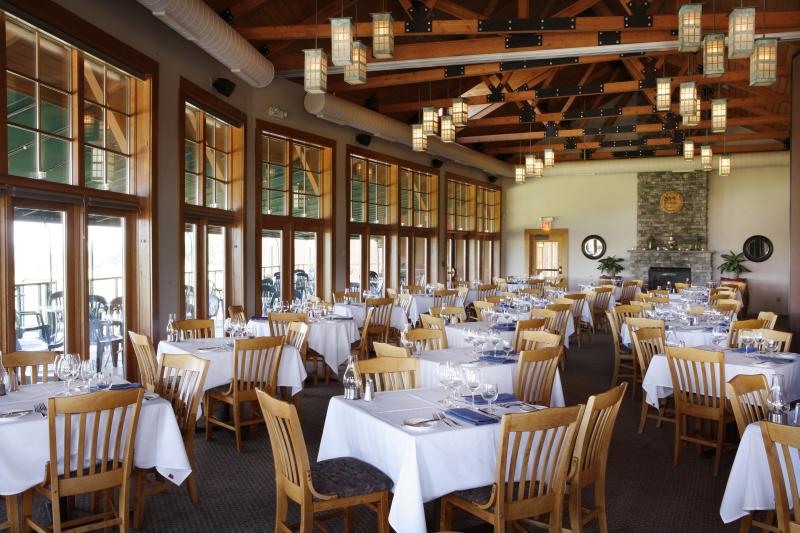
What does the word trailblazer mean to you?
GP: Daniel Boone in the Finger Lakes Wine industry and Seneca Lake Wine Trail. Someone who isn’t afraid to take chances and risks; who does things in a way that others can understand and enjoy, and who others may follow in the future.
Your award-winning wines are beloved by its fan base, new and old. Aside from being known for your quality wine, what else do you want people to know about Glenora Wine Cellars?
GP: Well, I appreciate that they enjoy our wines and that they are of high quality, but that does not make us unique; what I hope they see is our hospitality. Our welcoming people to the area. A friendly place that can accommodate several people wanting to visit for the wines, environment, and hospitality.
To celebrate Women’s History Month, we asked wine writer and educator Maiah Johnson Dunn to do a follow-up on the Unapologetically Female piece she wrote previously. This time she focused on the women behind the scenes, the owners, marketers, vineyard managers, and cellar hands that make Finger Lakes Wine Country run.
Céline LeSeurre, Domaine LeSeurre Winery
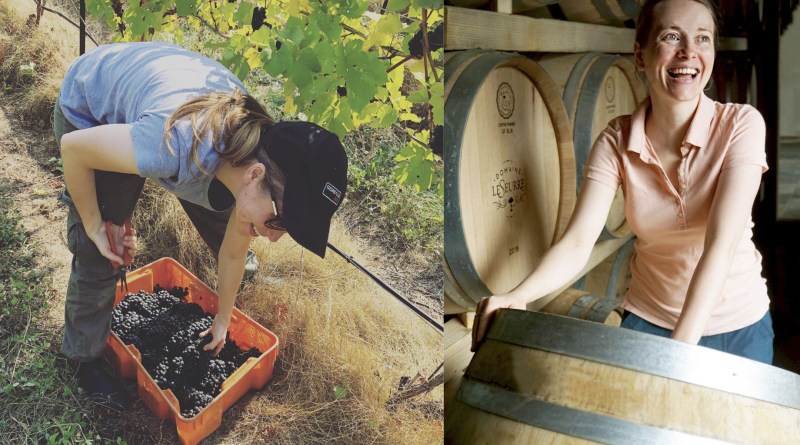
Wine is in Céline LeSeurre’s DNA. It only makes sense, having grown up around her grandparents’ vineyards in the Pyrénées foothills in France. As she grew, so did her passion for grape growing and wine, leading Celine to take sommelier classes and travel the world. In New Zealand, she met her husband, Sébastien. In Australia, they made wine. And in New York, they fell in love with Keuka Lake. They decided to stay and opened Domaine LeSeurre within three years of an initial visit. Céline’s expertise influences their grape growing, winemaking, and marketing.
Ruth Lucas, Lucas Vineyards
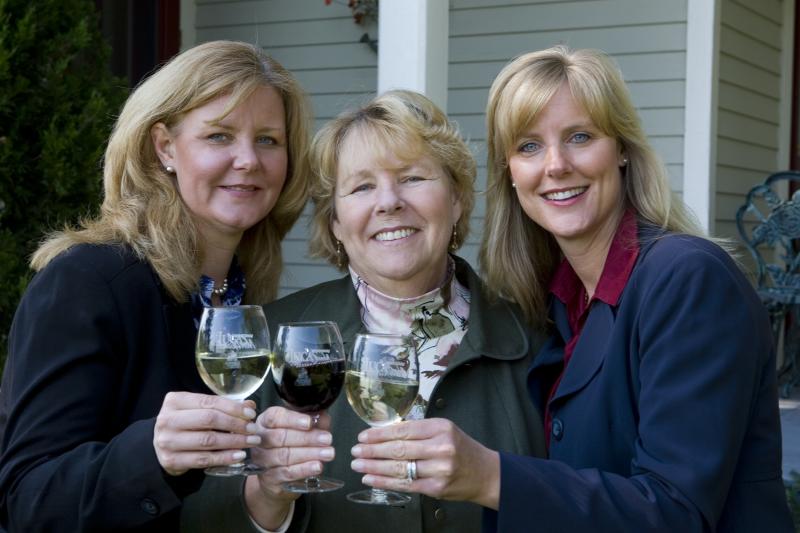
A woman founded the first winery on Cayuga Lake. Ruth Lucas moved to the area with her family in 1973 with her husband and kids and began planting. “I just fell in love with the farm and the grapes,” she reminisces. The work was not without its challenges. “It took a while for people to realize that New York state could make some really nice wines,” says Ruth, who opened the Lucas Vineyards tasting room following the Farm Winery Act. She’s also a founding member of the Cayuga Lake Wine Trail, established three years later. Today, she runs the business with her daughters, Ruthie and Stephanie. Her son-in-law, Jeff, is the winemaker. “It’s good to be in it with family.”
Erica Paliocelli, Three Brothers Wineries and Estates
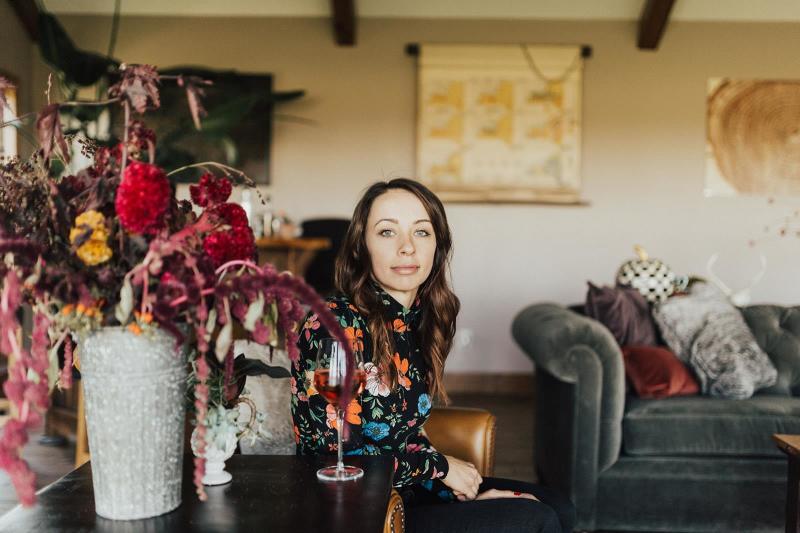
Erica Paliocelli didn’t plan to stay more than fifteen minutes at Three Brothers Wineries and Estates. Fifteen years later, she’s worked from the first official employee to COO, president, and co-partner. Erica’s success is linked to the culture of curiosity and creativity she has fostered over the years. In the face of adversity, Erica provides a steady presence, as seen throughout the pandemic and following the 2021 fire that destroyed Bagg Dare, one of the three wineries on the property. Most recently, her efforts to better the industry were honored when Erica was named a 2022 Woman of Distinction by New York State Senator Pam Helming.
Ashlee Weis, Weis Vineyards
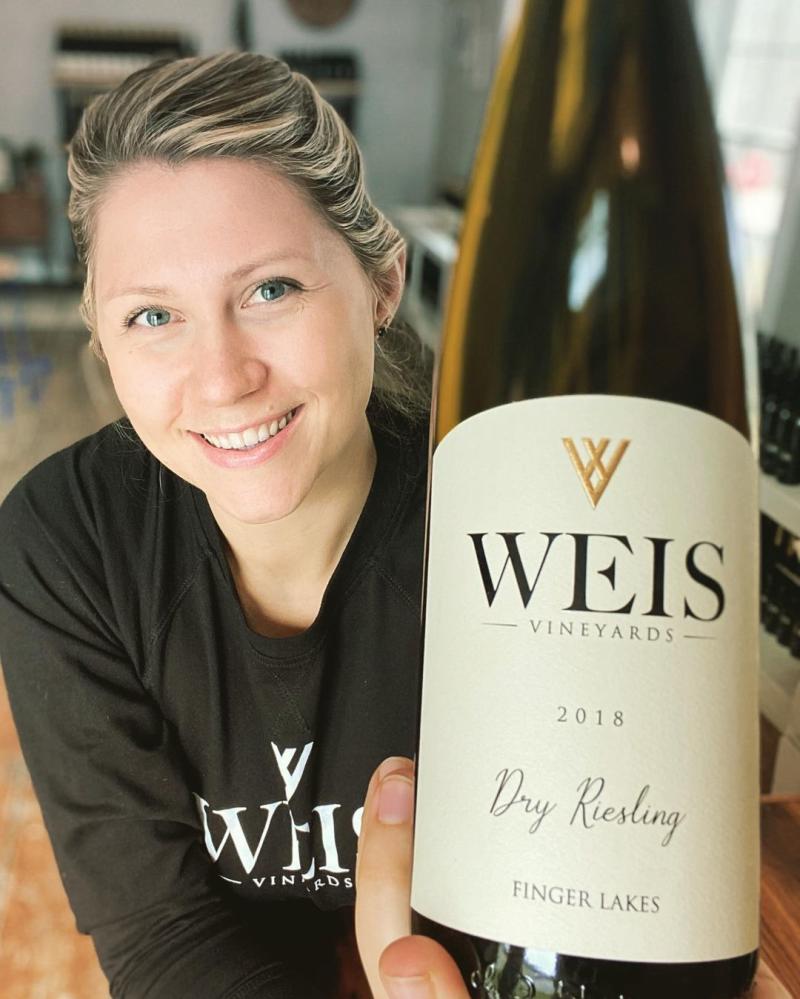
Ashlee Weis grew up loving the arts and was often drawing or painting. Her passion translated into a keen eye for branding and design, which the Weis Vineyards co-owner now uses regularly. Alongside marketing and interior design, Ashlee oversees staffing, tasting room, and wine club. Her brand development, alongside her husband Peter’s wines, has solidified Weis as adored by many. “We are very high quality, but very relaxed,” explains Ashlee. “Whether you like dry wine or sweet wine you’re going to get the same experience from us and our staff every time you come. We just want people to feel comfortable.”
Debra Bermingham, Bloomer Creek Vineyard
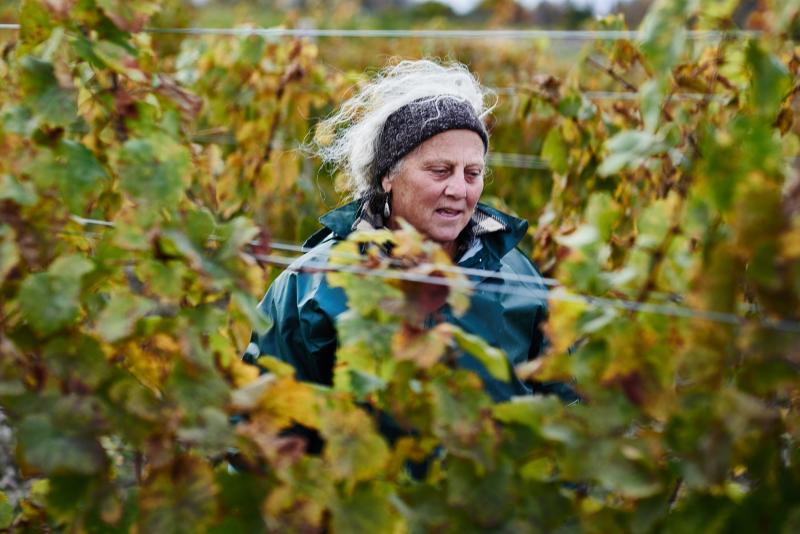
“When we were young, Kim and I fell in love with the broad skies and open fields of the Finger Lakes and set out to become a part of it,” Debra Bermingham once said in a James Beard Foundation interview. The award-winning artist and vigneron co-owns Bloomer Creek Vineyard with her husband, Kim Engle. Together, Les Bloomers made a living transforming forgotten lands into bountiful vineyards. It’s not unusual to find Debra tending to the grapes, behind the bar, or on the bottle itself as her artwork graces a selection of labels.
Kelly Ashford, Heron Hill Winery
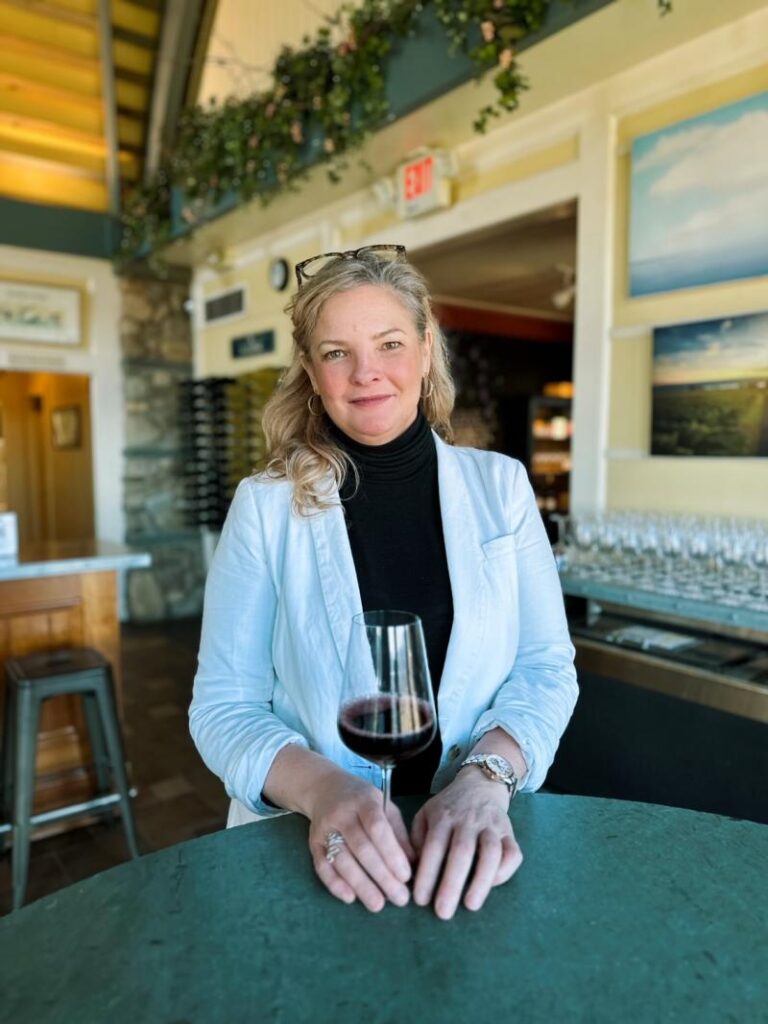
Kelly Ashford is the newest addition to the Heron Hill Winery team. Although their new National Sales Manager is originally from Boise, Idaho, Kelly has called New York home for over twenty-five years. A wine industry veteran with diverse experiences, Kelly has studied wine in California, Oregon, and Europe. Yet, her passion for Finger Lakes wines has remained constant. When Kelly is not tasting and talking about Heron Hill wines, she’s home cooking for the people she loves with Heron Hill’s Classic Cabernet Franc in her glass.
Brittany Bagley, Bagley’s Poplar Ridge
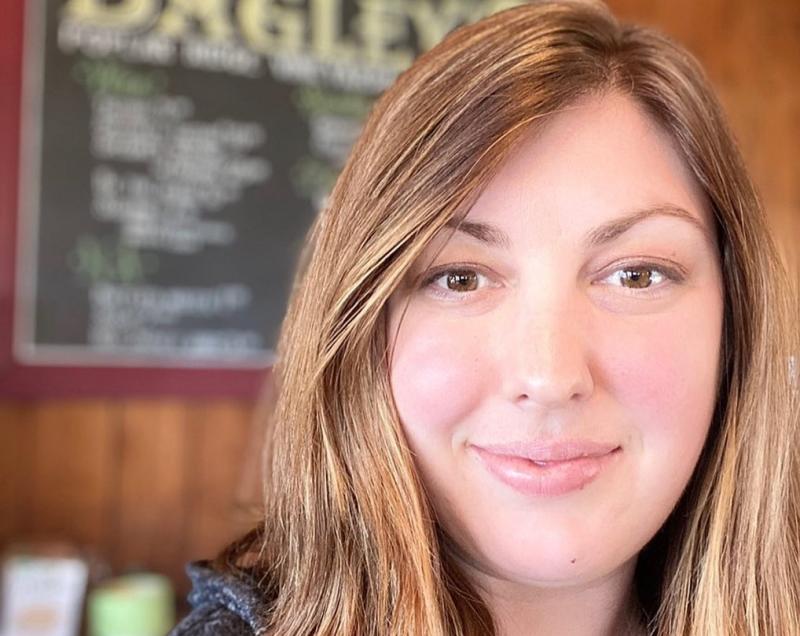
Brittany Bagley was just 19 years old when she took over the family business. Her father, Dave, founded Bagley’s Poplar Ridge Vineyards in 1980. Dave’s goal was to create a welcoming environment and “wines that are pleasant and fun to drink.” He ran the business for nearly 30 years before passing away unexpectedly. Brittany quickly became one of the youngest female winery owners in the region. Having spent most summers helping her father in the tasting room and vineyards, she hit the ground running. Over the years, Brittany has worked hard to keep her father’s spirit alive in both product and atmosphere.
Diana Lyttle, Boundary Breaks
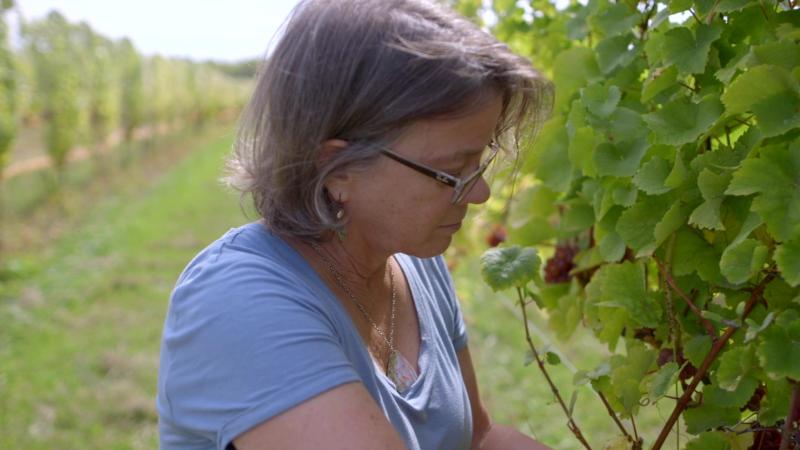
For 32 years, Diana Lyttle taught plant science to high school students in Connecticut. When she and her husband, Bruce Murray, were ready for a change, they moved to the Finger Lakes. “My favorite part of teaching was helping students grow by introducing them to new ideas. I do the same thing here at Boundary Breaks,” says Diana, truly an educator at heart. She’s a co-owner and the front-of-house manager, often found creating tactile learning experiences in the tasting room. “I want them to remember their visit, and perhaps have it change them just a little bit.”
Ann Martini, Anthony Road Wine Company
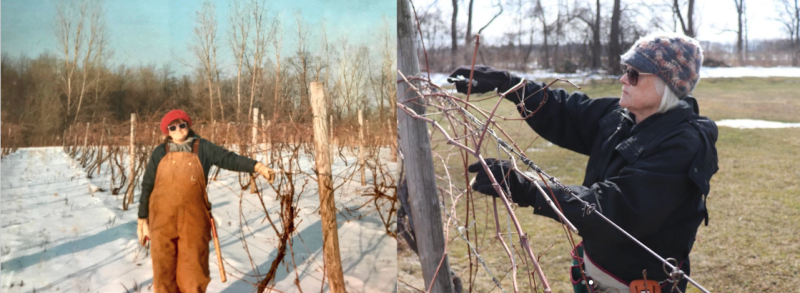
Owners of Anthony Road Wine Company Ann and John Martini moved to Seneca Lake to grow grapes at the urging of a friend who called it “fun.” They didn’t have much agricultural experience but were up for an adventure. After planting their first five acres by hand, Ann was hooked. “Maybe I was meant to be a farmer,” she chuckles. As their plantings and family expanded, John took a job at the Cornell Experiment Station to support the business while Ann ran the family and the farm. From trimming and tying to payroll and taxes, Ann did it all while always making time for her family. Ann’s advice for the next generation comes straight from her heart. “Hang in there. Be happy, and kind,” says Ann. “It’s so important these days to be kind to people.”
The climate of Finger Lakes Wine Country is ideal for growing grapes due to a combination of factors related to temperature, humidity, soil, and the unique geography of the region. Here’s why the Finger Lakes region, including areas like Seneca Lake, provides an excellent environment for viticulture:
1. Moderating Effect of the Lakes
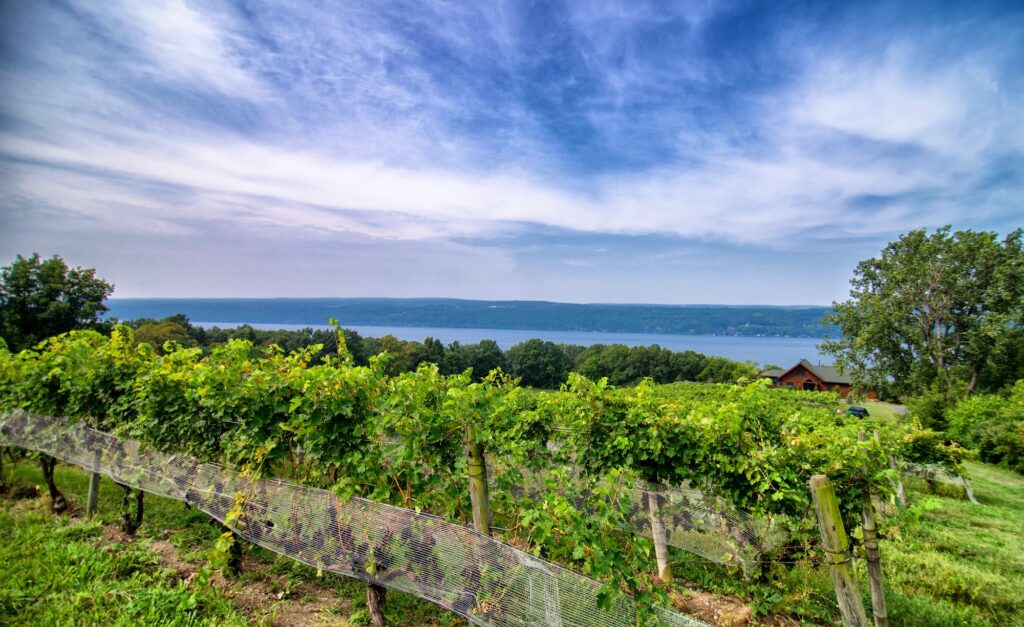
The Finger Lakes are a series of long, deep, glacial lakes, and their large bodies of water play a crucial role in regulating the climate in the surrounding areas. During the growing season, the lakes act as a thermal buffer, absorbing heat during the warmer months and releasing it slowly in the cooler months. This moderates temperature extremes, protecting vines from late spring frosts and early autumn freezes. The relatively longer growing season this creates allows grapes to ripen fully, while also helping to preserve their acidity, which is crucial for producing high-quality wine.
Summer: The lakes help maintain a moderate daytime temperature. While the surrounding regions may experience hot spells, the lakes’ waters help keep the air cool, preventing the grapes from overheating.
Fall: As temperatures begin to cool in the autumn, the lakes continue to release heat, providing a more gradual transition to cooler weather. This extended growing season is essential for grape ripening, especially for varieties like Riesling, which thrive with a long, cool growing season.
2. Cool Climate Viticulture
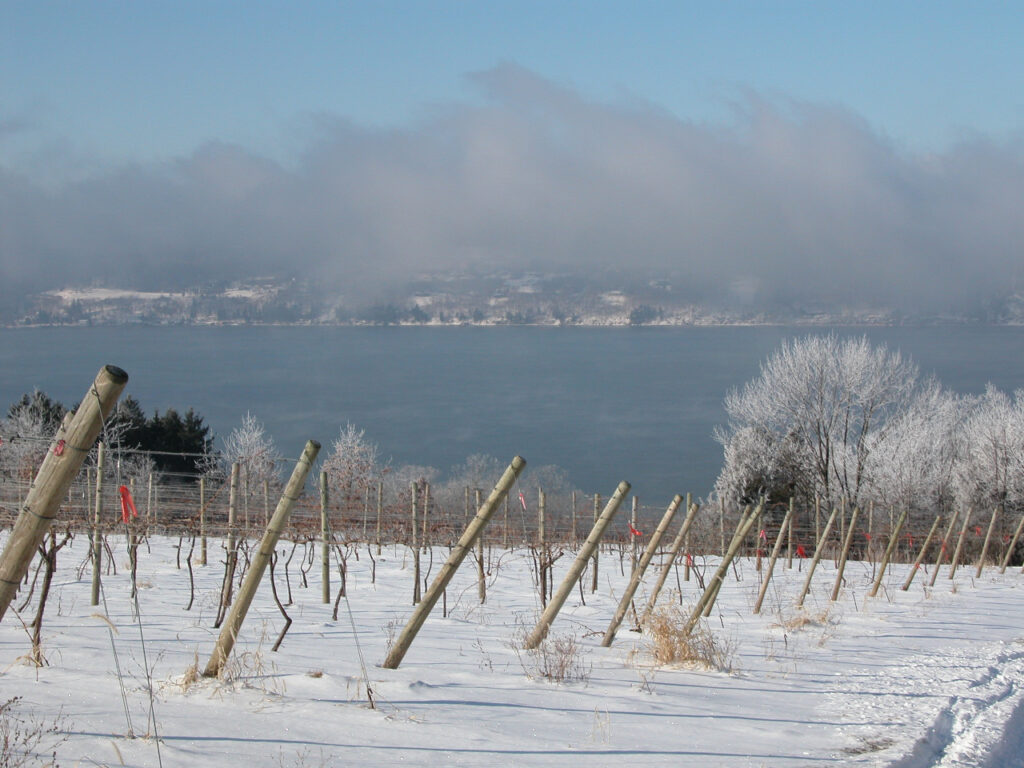
The Finger Lakes region is considered a cool-climate wine region, which is perfect for certain grape varieties that prefer cooler growing conditions, such as Riesling, Chardonnay, and Pinot Noir. The cooler climate helps grapes maintain their acidity, which contributes to the crispness, balance, and freshness of Finger Lakes wines.
Cooler temperatures also help prevent over-ripening of the grapes, which can lead to a loss of delicate flavors and aromatics. This is particularly important for white wine grapes, which require cool weather to maintain their signature bright, fresh profiles.
3. Soil Composition
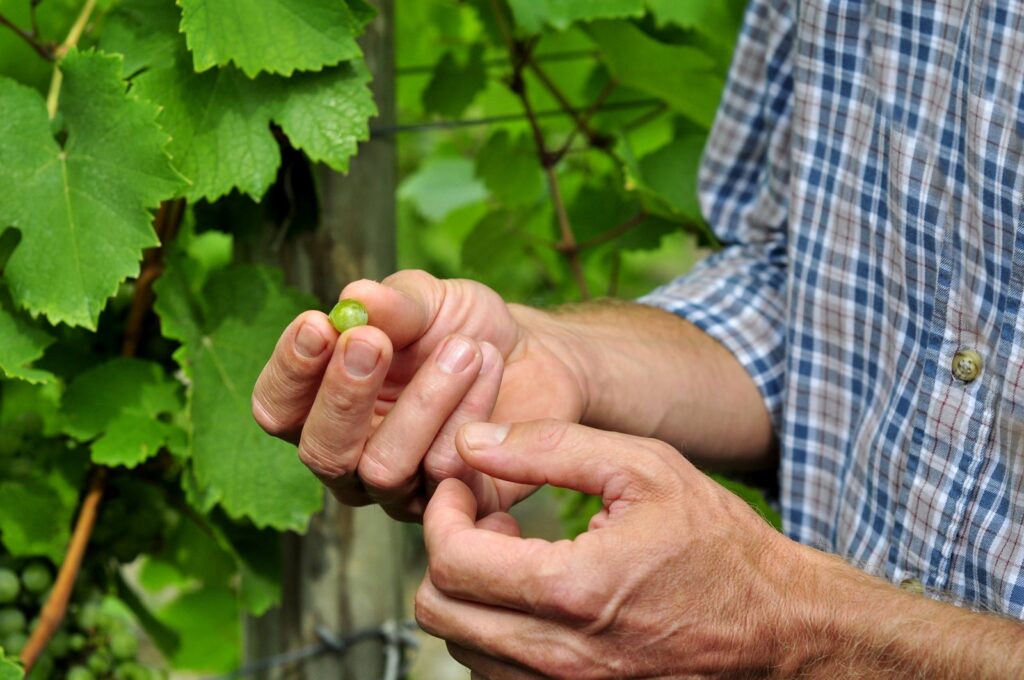
The Finger Lakes region benefits from well-drained, nutrient-rich soils, especially around the lakes. The soil is often a mixture of loam, clay, and gravel, which provides excellent drainage while holding just enough moisture for grapevines. These well-draining soils help prevent root diseases and ensure that the vines are not waterlogged, which could otherwise negatively affect grape development.
In addition, the glacial deposits in the region have left a rich mixture of minerals, which contributes to the terroir of the wines. The mineral content in the soil helps give Finger Lakes wines their unique, often mineral-driven characteristics.
4. Topography
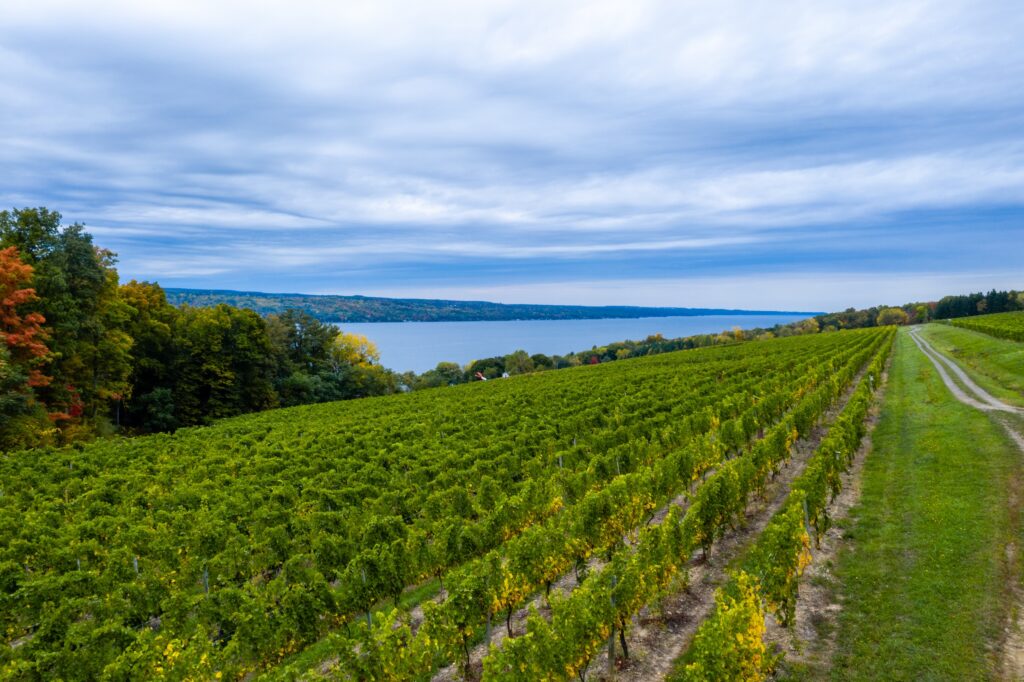
The region’s hilly, sloping terrain is another factor that makes it suitable for grape growing. The hillsides allow for optimal sun exposure, ensuring that grapevines receive plenty of light during the growing season. Vineyards planted on south- or west-facing slopes get more sunlight, which aids in grape ripening and helps concentrate flavors in the fruit.
Additionally, the slopes help with air circulation, reducing the risk of frost in the spring and fall. Cold air tends to settle in valleys, so by planting vineyards on elevated sites, wineries can reduce the chances of frost damage, especially in early spring when frost is most damaging to delicate grape buds.
5. Humidity and Rainfall
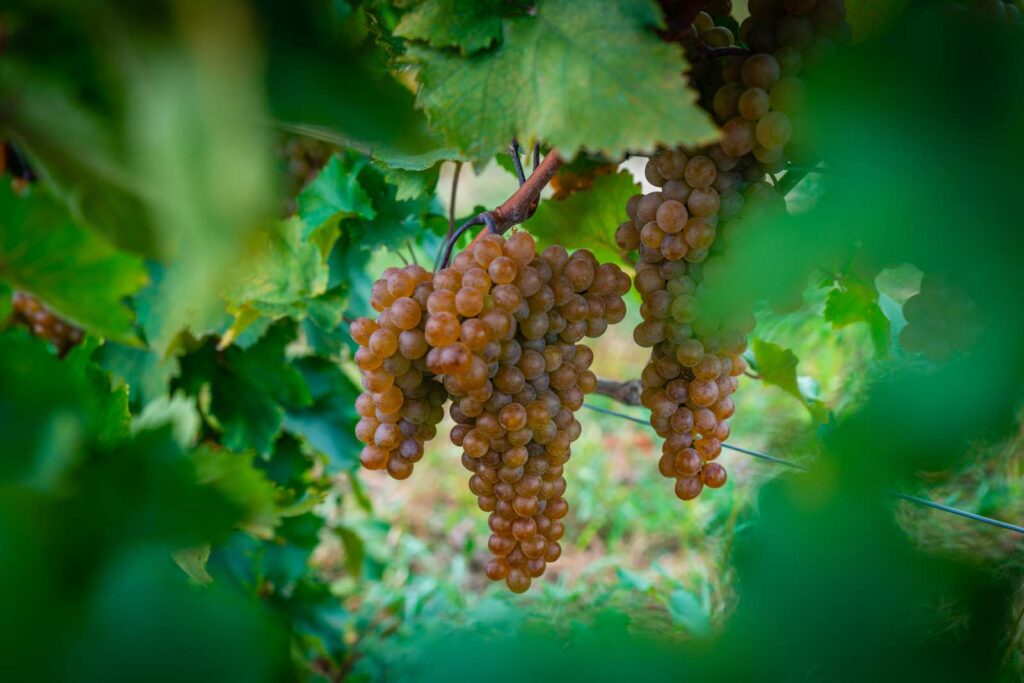
The Finger Lakes region enjoys moderate precipitation, which helps maintain healthy soil moisture for grapevines. The region typically experiences around 30-40 inches of rain per year, which is enough to keep the vines hydrated without causing excessive waterlogging.
In terms of humidity, the lakes themselves contribute to a relatively humid environment. While too much humidity can promote fungal diseases, the region’s cooler temperatures and good airflow (especially around the lakes) help mitigate this risk, ensuring that vines remain healthy.
6. Protection from Harsh Winters
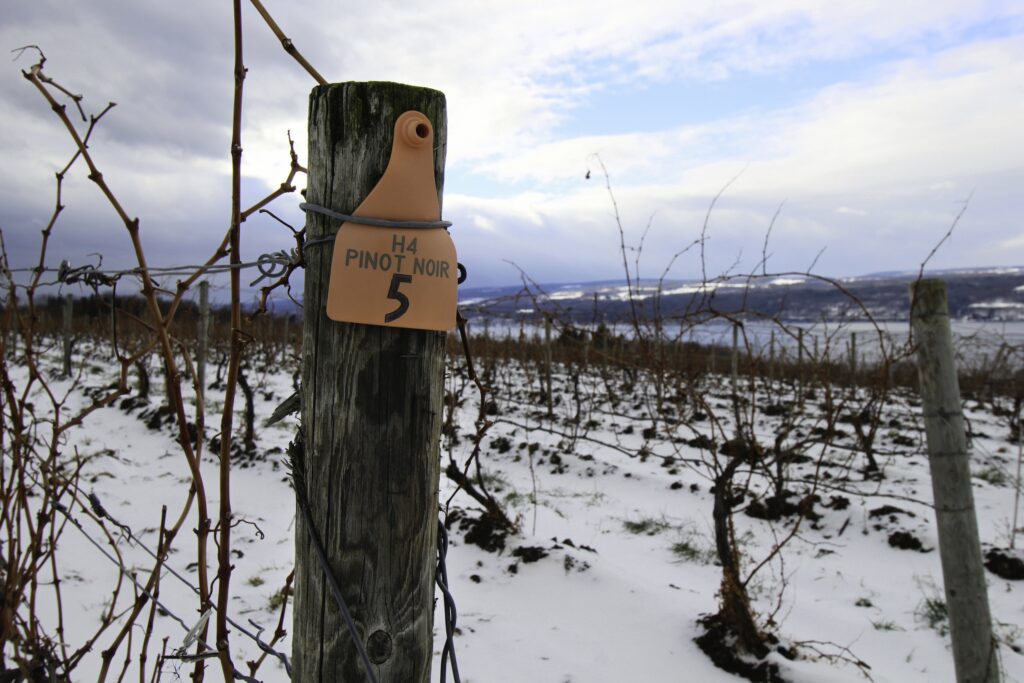
While the Finger Lakes region does experience cold winters, the moderating influence of the lakes helps protect the vines from the extreme winter temperatures experienced in more inland, northern regions. In addition, many vineyards practice winter protection techniques such as burying the vines or using wind machines, helping to further shield the vines from frost damage.
7. Regional Climate Variations
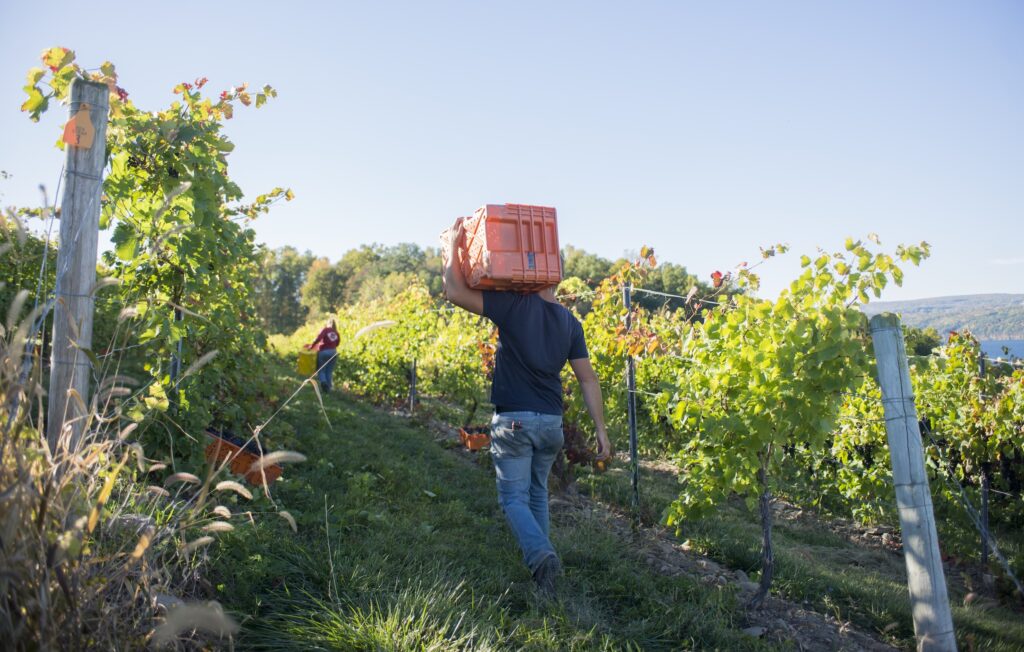
Different Finger Lakes, like Seneca Lake, Keuka Lake, and Cayuga Lake, each have their own microclimates, influenced by their size, depth, and orientation. These microclimates can create subtle variations in temperature and humidity, which allows winemakers to experiment with different grape varieties and styles of wine.
For example, Seneca Lake has the deepest of the Finger Lakes, which means it has a greater capacity to moderate temperatures, creating an even more favorable growing environment for longer-maturing grape varieties like Cabernet Franc or Gewürztraminer.
Overall, the cool, moderate climate, combined with the protective influence of the lakes, well-draining soils, and favorable topography, makes Finger Lakes Wine Country one of the best places in the U.S. for growing high-quality grapes, particularly cool-climate varieties. These conditions allow the region to produce wines with exceptional balance, crisp acidity, and distinct terroir, making it a renowned wine-growing region.
Grown Here, Made Here
The Seneca Lake Wine Trail consists of a collection of member wineries producing award-winning wines made entirely from grapes grown in the Seneca Lake AVA (American Viticultural Area). From grape-growing to production, the Seneca Lake Wine Trail is one of the largest cohesive wine trails in North America where you’re guaranteed to be sipping wine from the Seneca Lake terroir, or the natural environment from which a wine is produced, involving factors such as the soil, topography, and climate.
Meads, Ciders, and Brews – Oh my!
Besides being a haven for some unforgettable wineries, you can also find breweries, cideries, and even a meadery alongside the stunning scenery of lush vineyard landscapes and Seneca Lake. Earle Estates Meadery, Cider Tree at Hazlitt 1852 Vineyards, Wagner Valley Brewing at Wagner Vineyards, and War Horse Brewing and Red Apple Bombshell Hard Ciders at Three Brothers Winery & Estates are a few not to miss.
The Deepest Lake
Seneca Lake is not only the largest of the glacially-formed Finger Lakes, but is also the deepest lake within New York State. At 630 feet in depth, Seneca makes up 50% of the water in the Finger Lakes region. The depth of the lake helps moderate temperatures and contributes to the relatively mild climate every season. Seneca Lake’s southeastern shores are known as the “banana belt” because the afternoon sun lingers through the summer on its high, steep, shaley, west-facing slopes, making this small microclimate within the region unusually warm.
These conditions contribute to the favorable terroir which makes it ideal for grape growing and provides the perfect conditions for the cultivation of delicate Vinifera grapes used in wines like Riesling, Chardonnay, Pinot Noir, Cabernet Franc, and other award-winning hybrids and varietals familiar to the region.
The Towns of Seneca Lake
In addition to scenic views, wineries, waterfalls, and parks, there are charming towns along the Seneca Lake Wine Trail that are great stopping points.
At the northern tip of Seneca Lake you’ll find the town of Geneva, and at the southern tip is Watkins Glen, home of Watkins Glen International, the birthplace of American Road Racing, and of the waterfalls and trails in Watkins Glen State Park. Explore the town for lake views from Seneca Harbor, or take in the eateries and shops downtown. There are plenty of lodging options with easy access to all the Seneca Lake Wine Trail has to offer. Try the Watkins Glen Harbor Hotel, recently named America’s Most Beautiful Waterfront Hotel by USA Today readers, for lake luxury at its finest.
Fun Activities on Seneca Lake
From kayaking, stand up paddle boarding, boating, or riding aboard the historic ‘True Love’ Schooner at sunset, there are tons of fun activities to enjoy on and around Seneca Lake.
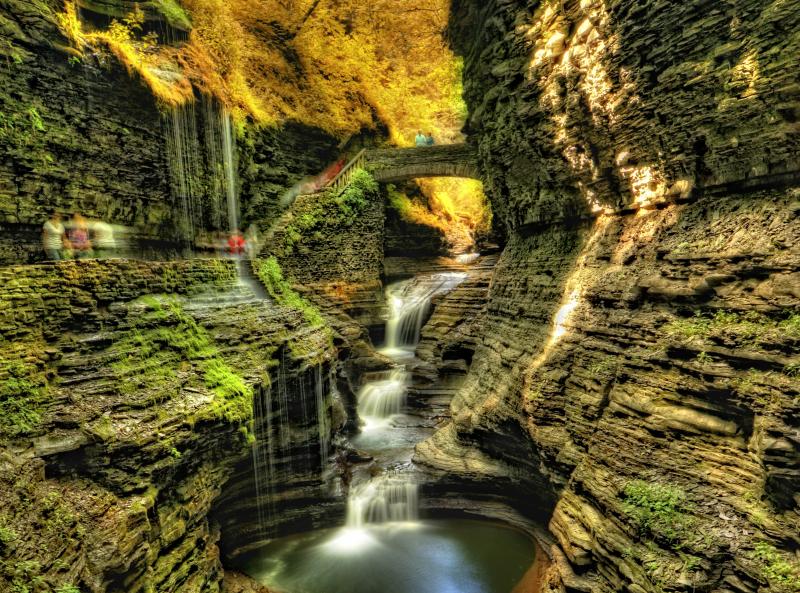
Explore the hiking trails along 19 cascading waterfalls in under 2 miles in Watkins Glen State Park.
Drive along Route 414 in Burdett and come upon the gorgeous roadside attraction of Hector Falls. You can safely pull over and get a close-up view, and you can catch a glimpse of the lower cascading falls from the lake.
Year-Round Getaway
The Seneca Lake Wine Trail is not just a summer destination. Tasting rooms, restaurants, and lodging are open year-round. Fall harvest time is an event within itself and different year-round holiday activities keep the region festive and fun. Outdoor lovers will always find plenty to do in the region, no matter the season.
Eateries Galore
There are lots of eateries to choose from as you explore the Seneca Lake Wine Trail. Driving up from Watkins Glen, on the west side on Route 14, you’ll find Veraisons Restaurant at the Inn at Glenora Wine Cellars, offering a new local menu each season along with a gorgeous view of Seneca Lake that’s perfect any time of year. Just up the road, don’t miss the FLX Wienery, a favorite for its eclectic choice of “upscale fair food” options and always friendly service.
On the east side of Seneca, traveling north on Route 414, at the Ginny Lee Café at Wagner Vineyards, you’ll find their beautiful view pairs perfectly with a menu of lunchtime favorites. Down the road, Elf in the Oak offers a great selection of salads and sandwiches to keep you energized, and Stonecat Café is a beloved farm-to-table experience with a Sunday Jazz Brunch you won’t want to miss. Grist Iron Brewing Company offers cold beer, local music, and great food (the wings are a must!). Many of the wineries on the Seneca Lake Wine Trail offer locally-made cheeses and other snacks to keep you satiated. Fox Run Vineyards, Three Brothers Winery & Estates, Belhurst Estate Winery, and Ventosa Vineyards all have restaurants on site. Be sure to check their listings for seasonal hours.
More Amazing Attractions
If wineries, breweries, distilleries, meaderies, lake activities, waterfalls, auto racing, and a state park weren’t enough reasons to make this a remarkable destination to explore, the Seneca Lake Wine Trail is just a short drive from some incredible small towns. Cities and villages throughout Finger Lakes Wine Country, such as Hammondsport, Corning, Penn Yan, Owego, and Elmira, offer outdoor activities, performance venues, museums, shops, dining, and much more.
A Year-Round Destination
Finger Lakes Wine Country offers a distinctive climate that changes beautifully through each season, providing unique experiences year-round. Whether you are drawn to the bud break of spring, serene lakes and rivers in summer, the snowy charm of winter, or the vibrant foliage of autumn, you’ll find plenty to explore in this breathtaking corner of New York. Here’s what to expect from the weather and how to dress during each season.
Spring
(April – May)
Spring in the Finger Lakes is a time of renewal, where nature comes alive after the cold winter months. Average daytime temperatures range from 50°F to 70°F, but evenings can be quite chilly, often dipping into the 30s or 40s. It’s a time when the grapevines begin to bud, and the local flora—tulips, daffodils, and lilacs—brighten the landscape with color.
What to Wear: Light layers are key. A light sweater or long-sleeved shirt under a jacket will keep you comfortable during the day, but don’t forget a heavier jacket or a warm sweater for the evening chill. Comfortable shoes for walking or exploring wineries are also recommended, as the terrain can be uneven, especially around the lake.
Summer
(June – August)
Summer in the Finger Lakes is a true highlight, with warm, pleasant weather ideal for outdoor activities. Daytime highs typically range from 70°F to 80°F, with occasional hot spells pushing into the 90s. The area enjoys long, sunny days with cool, breezy evenings, especially near the water. The lakes sparkle under the summer sun, and outdoor festivals, boat tours, and wine tastings are in full swing.
What to Wear: During the day, lightweight clothing, such as shorts, breathable shirts, and a hat, is perfect for staying cool. Don’t forget sunglasses and sunscreen, as the sun can be strong, especially during midday. A light jacket or sweater might come in handy for cooler evenings by the lakes and rivers, and comfortable sandals or shoes are ideal for walking around festivals or the small towns, but don’t forget your hiking shoes and swimsuits for outdoor adventures!
Fall
(September – November)
Fall is an incredibly popular time to visit Finger Lakes Wine Country! The weather is crisp and cool, with daytime temperatures ranging from the 50s to the 60s°F, and evenings can drop to the 30s or 40s. The region’s famous fall foliage reaches its peak, painting the hillsides with vibrant reds, oranges, and yellows. The harvest season brings an aroma of freshly picked grapes and the chance to explore apple orchards, pumpkin patches, and U-pick farms.
What to Wear: As temperatures fluctuate, dressing in layers is essential. A warm jacket, a scarf, and a pair of gloves will be useful, especially on chilly mornings or evenings. A sturdy pair of boots is also recommended, as you’ll likely want to explore the vineyards or hike the picturesque trails near the lake. A cozy sweater or fleece can help keep you warm as you enjoy the beautiful outdoor scenery.
Winter
(December – March)

Winter in the Finger Lakes brings a tranquil beauty to Finger Lakes Wine Country, with snow-covered landscapes and a quiet ambiance. Temperatures can vary significantly, ranging from sub-zero conditions to highs near 40°F. The area sees plenty of snowfall, which creates perfect conditions for snowshoeing, cross-country skiing, and other winter activities. While many of the area’s attractions slow down, it’s an ideal time for a peaceful retreat with fewer crowds. You can enjoy cozy firesides at local inns or indulge in winter wine tastings, including the special Ice Wine produced from frozen grapes.
What to Wear: Winter weather can be unpredictable, so make sure to pack heavy-duty cold-weather clothing. A thick, insulated coat, gloves, a scarf, and a warm hat are essential for staying comfortable outside. Thermal layers and waterproof boots will help you stay warm and dry during outdoor activities, especially if you plan to hike or snowshoe around the lake. A pair of wool socks and a cozy sweater will also keep you comfortable when you head indoors to enjoy a glass of wine by the fire.
No matter when you choose to visit Finger Lakes Wine Country, each season offers its own charm and opportunities to experience the region’s natural beauty and unique culture. From spring’s fresh blooms to winter’s snowy peace, the climate in this region makes it a year-round destination for those looking to enjoy outdoor adventures, local products, and breathtaking landscapes. Be sure to pack accordingly and get ready to explore New York’s most stunning region!
During your stay, visit our Tasting Room and Retail Shop up the hill to sample award-winning Finger Lakes wines or take a cellar tour. Afterward, enjoy a delicious meal at Veraisons Restaurant, offering locally sourced regional cuisine, along with a selection of local wines, beers, and spirits. Don’t forget to save room for dessert!
There are so many reasons to visit Finger Lakes Wine Country, including the Seneca Lake Wine Trail. We’ve shared tiny houses, glamping, B & B’s, and unique vacation rentals in the area. Now we’re showing you where to camp and hike on Seneca Lake. Including cabins, cottages, campsites, RV sites, and more.
Not only will you get a taste of local vintages on the Seneca Lake Wine Trail. You can experience the thrills and excitement of Watkins Glen International raceway at one of the oldest lodging establishments in the area. Or stay at a resort with a waterfall on the property.
Campsites
Havana Glen Park
Havana Glen Park in Montour Falls, NY provides excellent outdoor opportunities including camping facilities, ball fields, playgrounds, and a short scenic hike through Havana Glen.
The park contains Eagle Cliff Falls along with various species of rare native New York State plants and has been classified as an important area for birding with over 100 species documented here making it perfect for hiking and exploring.
Goundry Hill State Forest
Goundry Hill State Forest in Beaver Dams, NY has no developed camping sites, however, at-large primitive camping is allowed in this unit. Except within 150 feet of any road, trail, spring, stream, pond, other body of water, or otherwise prohibited.
From here you can hike the Finger Lakes Trail: South Bradford and Goundry Hill State Forests, a moderately challenging 12.6-miles point-to-point hike. Which takes an average of 5 h 54 min to complete.
Finger Lakes RV Resort
Finger Lakes RV Resort in Hector, NY is an adult-oriented, peaceful RV park located right in the heart of the Seneca Lake Wine Trail with two wineries and a diner adjacent to the property.
Their spacious sites feature full hookups, a gravel patio, and a large yard. Each site also includes a picnic table and a fire ring.
Smith Memorial Park
Just 8 miles north of Watkins Glen is Smith Memorial Park in Hector, NY. Here you’ll find wooded & lakefront campsites, swimming, boat launch, dumping station & hot showers. There are also walking trails on the property.
Watkins Glen State Park
Watkins Glen State Park is the most famous State Park in the region. Not only will you find tent and trailer campsites, picnic facilities, and an Olympic-size pool. There are 19 waterfalls and 9 great trails. Camping is available from early May to mid-October.
The Gorge Trail winds over and under waterfalls and through the spray of Cavern Cascade. This 0.7-mile loop trail is considered moderately challenging and takes an average of 24 minutes to complete. The best times to visit this trail are May through October. Dogs aren’t allowed on this trail.
The Watkins Glen South Rim Trail is a 2.6-miles out-and-back trail. It’s considered moderately challenging and takes an average of 1 h 21 min to complete. The best times to visit this trail are April through October. Dogs are welcome but must be on a leash.
Southern Seneca Lake Serenity
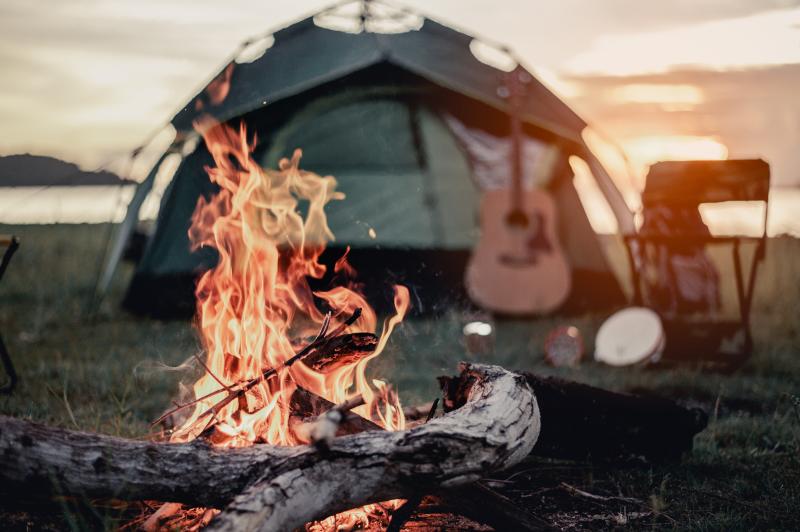
Southern Seneca Lake Serenity in Watkins Glen, NY is perfect for the camping purist that thrives on pitching their own tent. This half-acre property has nearly 200 feet of gorgeous lake frontage. The site features a level tent site, fire pit, picnic table, porta-potty, small stream, shade, and trees.
The best hiking can be found less than three miles away at Watkins Glen State Park.
Sugar Hill Recreation Area + Sugar Hill State Forest
Sugar Hill Recreation Area in Watkins Glen, NY is the largest designated camping area on Sugar Hill State Forest. This nine-acre open field has a limited number of fire rings and picnic tables. Other facilities there include a picnic area with picnic tables, a pavilion, an accessible horse-mounting platform, and open horse stalls, during summer months a restroom with potable water is available. All facilities are carry in-carry out.
The gate is opened to vehicle traffic, and the water is turned on, from the 3rd Monday in May through the 3rd Monday in October of each year.
Fifteen additional designated campsites are located throughout Sugar Hill State Forest. In addition, at-large primitive camping is allowed in this unit, except within 150 feet of any road, trail, spring, stream, pond, other body of water, or otherwise prohibited. Here you’ll also find five Adirondack-style lean-to’s, at four different locations. Lean-to’s must be shared to their capacity on a first-come, first-use basis, with no exclusive reservation allowed.
Camping for more than three nights or in groups of ten or more requires a permit from a Forest Ranger. No trash pickup is provided. Sugar Hill State Forest is home to the 12-thousand-acre Six Nations Trail System. Here you’ll find the Schyler County: Sugar Hill Trail. This 3.7-mile loop trail is considered easy. It takes an average of 1 h 33 min to complete and is open year-round, but can get muddy during the rainy season. Dogs are welcome but must be on a leash.
Clute Memorial Park & Camping
Clute Memorial Park & Camping in Watkins Glen, NY offers tent sites, dock rentals, and full hook-up sites with electric (20, 30, and 50 amp), water, sewer, and cable. Here you’ll find tennis courts, a soccer field, swimming and bathhouses, picnic tables, a children’s playground, a skate park, and more!
Less than a five-minute drive away is Watkins Glen State Park where you can hike the Gorge Trail without your pup, or the Watkins Glen South Rim Trail with your dog on a leash. Additional outdoor activities include a boat launch adjacent to Clute Park along the Seneca / Erie Barge Canal.
Lake Grove Park
Lake Grove Park in Alpine, NY has boat rentals, cabins, and campsites on the shores of Cayuta Lake. In this setting, the park allows campers the opportunity to play and the solitude to rest. We strive to excel in all the services we provide.
The Catharine Valley Trail North is one of the most accessible trails on the list. This 4.5-miles out-and-back trail takes an average of 1 h 20 min to complete. The trailhead is on the Watkins Glen High School grounds. There are 2 designated accessible spaces in the paved parking lot off of 12th Street at the north end of the trail. Both of them are van-accessible with a striped access aisle.
The majority of the trail is estimated to be in the gentle grade category (3% or less). All-terrain tires or motorized equipment may be needed for the mostly unpaved surface type. There are benches and picnic tables along the route for resting.
Cabins
KOA Camping Resort
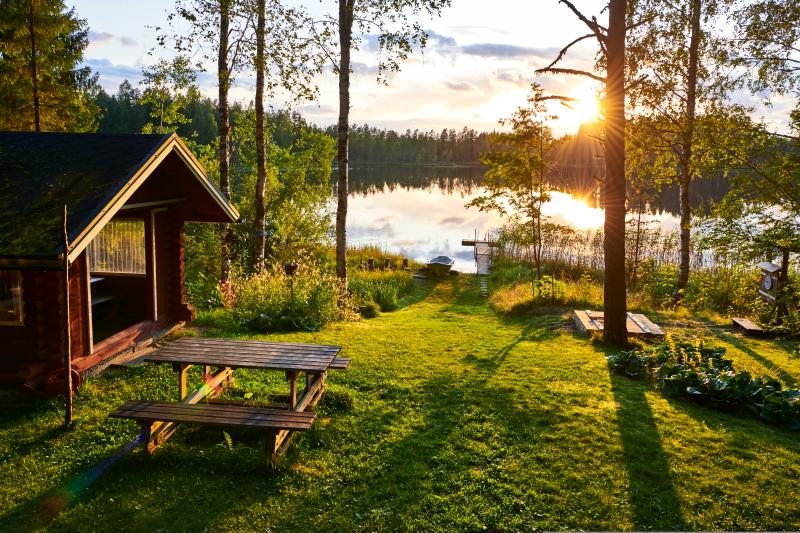
Most campers are familiar with Kampgrounds of America, the world’s largest system of privately held campgrounds. KOA Camping Resort in Watkins Glen, NY is the top-rated family campground with more than 35 Camping Cabins and Deluxe Cabins, full-featured BIG RIG RV sites, and free wifi. Touring RVers will love luxurious Sunset Acres, the quiet side of the park, where some of the sites have private gazebos. Adventure-seeking families may prefer to be close to Seneca Thrills, a family fun center. With an outdoor pool, indoor pool, spa, and fitness center, gigantic pirate ship playground, giant water slide, Army truck rides, and more.
Less than a five-minute drive away is Watkins Glen State Park where you can hike the Gorge Trail without your pup, or the Watkins Glen South Rim Trail with your dog on a leash.
Rustic Log Cabins
Originally built in the 1920s, Rustic Log Cabins in Hector, NY is one of the oldest lodging establishments in the area. Open May through October the view from the grounds takes in an apple orchard, rolling vineyards, and Seneca Lake.
All four spacious cabins have electricity, hardwood floors, a fireplace, table, chairs, comfortable beds, dressers, stove, and fridge. Two of the cabins will accommodate three people and the other two will accommodate up to six.
The South Slope Trail is an easy 1.1-mile out-and-back trail near Hector, New York. Generally considered an easy route, it takes an average of 27 min to complete. This trail is great for hiking and walking, and it’s unlikely you’ll encounter many other people while exploring. Dogs are welcome but must be on a leash.
The Vineyard Villas
At The Vineyard Villas in Burdett, NY you can wake up to the panoramic view of Seneca lake and the surrounding wineries. Here you’ll find one bedroom two-story villas with a deck and balcony. Fully-equipped kitchens are available if you decide to make your own meals, as well as an outdoor grill.
The best hiking near Burdett is in the Finger Lakes National Forest. Here you’ll find 12 different easy and moderate trails to enjoy. The Interloken Trail is an 11.3 miles point-to-point trail and is considered moderately challenging. It takes an average of 3 h 54 min to complete. The trail is open year-round and is beautiful to visit anytime. While the Finger Lakes Gorge Trail is an easy 2.3-mile out-and-back that takes an average of an hour to complete. This is a popular trail for birding, hiking, and walking. Both trails allow dogs on leashes. The best times to visit these trails are April through September.
Paradise Park Campground
Paradise Park Campground in Reading, NY offers 160 acres of wooded and open space. Along with a well-stocked store, clean facilities, and convenient hook-ups. Kids can enjoy many activities: ping pong, volleyball, the arcade, badminton, the playground, miniature golf, the archery practice range, and even join in on the fun of a hayride! The whole family will enjoy swimming in the Olympic Heated Pool.
Check out the 19 waterfalls and 9 hiking trails at Watkins Glen State Park which is less than a fifteen-minute drive away.
Cool-Lea Campground
Cool-Lea Campground in Odessa, NY is great for family camping. There are cabins, a cottage, and a camper available along with tent and RV sites. Guests can enjoy boating, fishing, or canoeing on Cayuta Lake. This fishing paradise is known to have Largemouth Bass, Walleye, Yellow Perch, Bluegill, Pumpkinseed, Rock Bass, Brown Bullhead, and more flourishing in the crystal clear waters.
The kids will love the playground, game room, pavilion, walking trails, and hayrides. Nearby you can plan a short but moderately challenging hike to Eagle Cliffs Falls in Havana Glen Park. Dogs are welcome on leashes on this 0.3-miles out-and-back trail. The best time to visit is May through October.
Catharine Cottages
Catharine Cottages in Montour Falls, NY offers four private and comfortable cottages on Catharine Creek. The cabin comes with everything you need wifi, AC, a full bathroom, mini fridge, microwave, and firewood on property. At this pet-friendly property, you can listen to the soothing sounds of Catharine Creek from your private porch.
We highly recommend Eagle Cliffs Falls in Havana Glen Park or the Gorge Trail in Watkins Glen State Park for anyone who wants to retreat into nature.
Spring’s Retreat
Escape the hustle and bustle of life at Spring’s Retreat in Montour Falls, NY. This 2-story cabin is surrounded by woods and wildlife and is equipped with a full kitchen, barbeque, fire pit, and water garden.
For an easy hike try Willow Walk Trail at the nearby Catharine Creek Wildlife Management Area. This 2.4-miles out-and-back trail is open year-round and takes an average of 41 min to complete. Dogs are welcome but must be on a leash.
Lakeside Resort
Choose from cabins, the motel, and the Lodge at the Lakeside Resort in Watkins Glen, NY. This 30-acre property gives you some space to breathe and a quiet place to relax with walking trails, small waterfalls, and beautiful Seneca lake views.
All of the rooms are clean and comfortable and have a coffee machine, microwave, small refrigerator, private bathroom, a flat-screen TV with cable channels, and more.
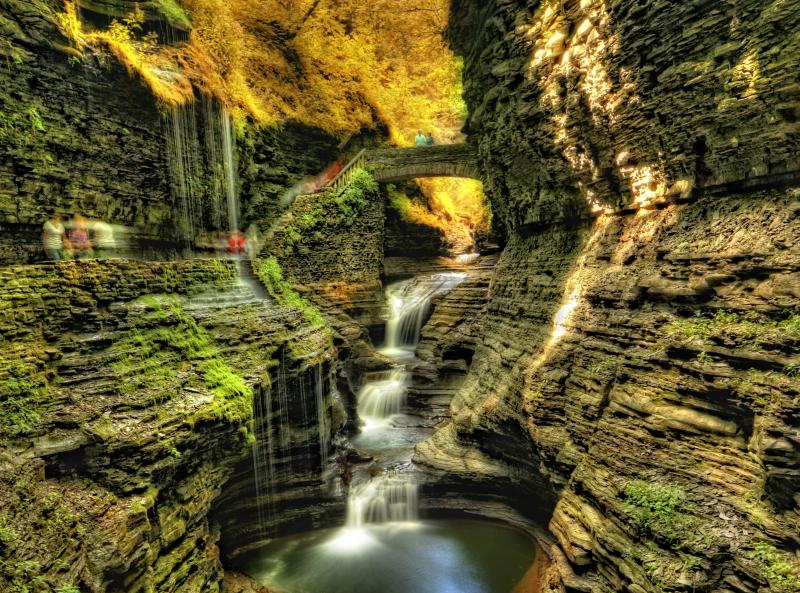
Watkins Glen State Park is one of the most well-known parks in the region. Within five miles, the glen’s stream features 19 waterfalls viewable from the 9 hiking trails.
Seneca Heights Cabins
At Seneca Heights Cabins in Watkins Glen, NY you’ll find two charming cabins perfect for a romantic getaway. Here you’ll find the comforts of home including an electric fireplace, ceiling fans, and a small kitchenette area that includes a fridge, microwave, and hot drink facilities. Outside, in the communal area, you’ll find the firepit, barbecues, and full bathroom facilities. This pet-friendly property also has a pond for guests to enjoy.
Located less than three miles south of Watkins Glen State Park this is your best bet for hiking in the area.
Seneca Lodge
The Seneca Lodge in Watkins Glen, NY has been a landmark for vacationers, sportsmen, and racing enthusiasts for more than 50 years. The Log Cabins include a private bath and are available with one bed or two. Each has a large family room, fireplace, kitchen, and a front porch. The four-bedroom Log Cabin fills quickly, so make reservations early. There are also two 2 chalet-style A-frames available with three bedrooms, a family room, a kitchen, and a small front porch. The Motel offers rooms with a single king bed, 2 double beds, or 2 queen beds. All accommodations have cable tv, wifi, and ac/heat.
Located less than a mile south of Watkins Glen State Park this is your best bet for hiking in the area.
Scottish Glen Bed & Breakfast
Scottish Glen Bed & Breakfast in Dundee, NY hosts two bedrooms that overlook Seneca Lake. The Waterfront Cottage/Cabin is a post and beam construction from an 1860s barn, rebuilt on the waterfront. The Cottage sleeps 6 in 2 rustic lofts, has a 50-foot dock for fishing, and swimming, a full kitchen, a wood-burning stone fireplace, and a row boat available.
This is a family-friendly property where guests can enjoy a tennis court, picnicking on the grounds, 30 acres of woods for hiking, and a lakefront area. A delicious country breakfast is served each morning and their extensive patio provides a wonderful lake view to watch an early sunrise.
Back Achers Campsites & Cottages
Back Achers Campsites & Cottages is the only private campground facility located on beautiful Seneca Lake with private lake frontage. They offer cottage rentals, RV sites, and tent camping. Along with rowboat rentals, paddle boat rentals, and boat hoist rentals. Three of their cottages feature a dock and hoist for guest use.
Sugar Hill State Forest is a 30-minute drive away. The Finger Lakes Trail to South Rim Trail is perfect for a more experienced hiker. This 11.3-miles point-to-point trail is considered a moderately challenging route, it takes an average of 4 h 50 min to complete. This trail has great views and is perfect for those seeking solitude.
Market Street
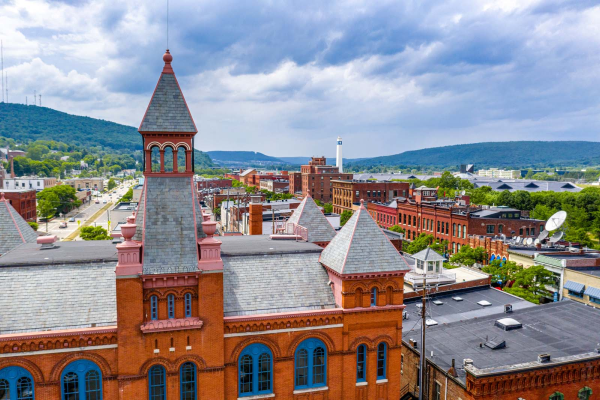
Shop, eat, and drink along Market Street in the heart of Corning’s Gaffer District, where you’ll find independently owned local shops, cafés, restaurants, and places to grab your favorite local beverage along this quaint, tree-lined street. Learn more about the Gaffer District’s gorgeous 19th-century buildings through their Buildings Alive self-guided historic architecture tour. For your home away from home, check out the Radisson Hotel Corning, conveniently located at the east end of Market Street, or experience a stay at Hilton Garden Inn Corning, next to the Corning Museum of Glass, and a short walk into the town center.
More Than Just Your Grandmother’s Cookware
Corning Incorporated, a Fortune 500 company and one of the world’s leading innovators in materials science, is headquartered in Corning. Corning Incorporated has a 169-year track record of life-changing inventions, including the cookware your mother and grandmother used growing up, CorningWare (1958), and Pyrex (1915). Corning Incorporated develops products that transform industries and enhance people’s lives, many of which we use in everyday life, including our LCD TVs and computer monitors, automobile windshields, and smartphone screens! Explore the local antique shops for vintage Corningware and other favorite Corning glass items!
Corning Museum of Glass
You can find the world’s most comprehensive glass collection, with over 50,000 objects representing more than 3,500 years of history, from the Pharaohs to modern-day contemporary glass. Experience live demonstrations, research archives, unique retail, and glass at the immersive and interactive Corning Museum of Glass. Explore their newly expanded Glass Studio to make your own glass or take different glass-making classes! Park your car at the Museum lot and take their free, continuous-loop shuttle to downtown and back for shopping, good eats, and a visit to the next museum highlight. The Corning Museum of Glass was involved from concept to reality on Netflix’s Blown Away, a competition series featuring the art of glassmaking (tip: The Studio’s Enhanced Glassblowing experience is the closest you can get to a Blown Away fan experience!)
Rockwell Museum
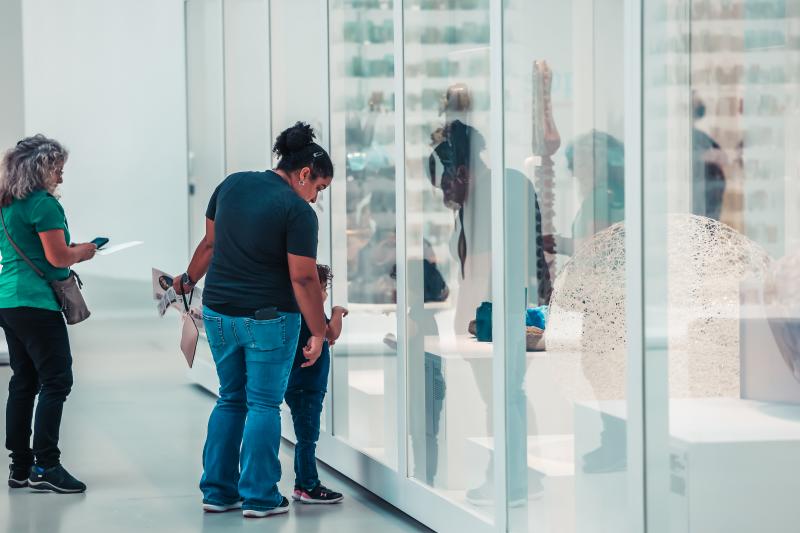
Housed in the beautifully restored 19th-century historic Old City Hall in Corning, The Rockwell Museum is the only Smithsonian Affiliate museum in Upstate New York. Featuring a unique collection of over 5,000 works of fine art representing the American experience through the work of American artists, the diverse collection includes a mix of nineteenth-century paintings, historic bronzes, Native American objects, twentieth-century modernists, illustration art, and contemporary photography. Tip: Purchase a Combination Ticket to access the Rockwell and the Corning Museum of Glass! Take the free shuttle between the two museums for an easy commute!
Something to do no matter the Season
No matter the season, there is always something happening in Corning! Visitors and locals can enjoy the farmers market every Thursday during the summer and fall. Travelers from around the country and region travel in for June’s Pride celebrations. The popular Wine Glass Marathon in the fall is booked up with runners quickly, bringing everyone together to cheer them along. Sparkle is the highlight of the winter holiday season when the Parade of Lights kicks off on the first Saturday after Thanksgiving every year. Then, there are festivals showcasing artisans, musicians, and so much more!
Spot “Little Joe”
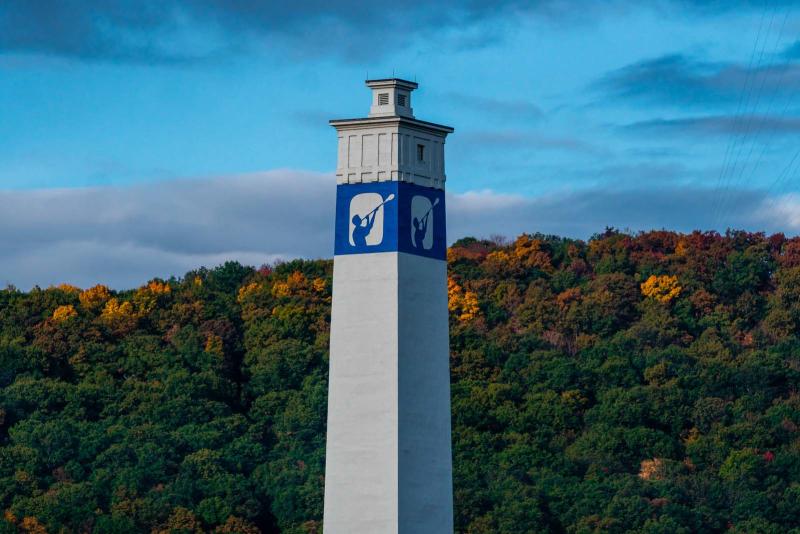
The official symbol for Corning is the gaffer, and you can spot “Little Joe,” the gaffer, on the Little Joe Tower. A gaffer, or hot glass worker, is the fitting symbol for Corning as it pays homage to the glass-making history here and has become an icon of the Crystal City.
Wine Trails
Corning is just a short drive from Finger Lakes Wine Country’s three incredible wine trails. The southern tips of the Keuka Lake Wine Trail and the Seneca Lake Wine Trail are approximately 30 minutes away, and the Cayuga Lake Wine Trail is less than an hour away.
The Village
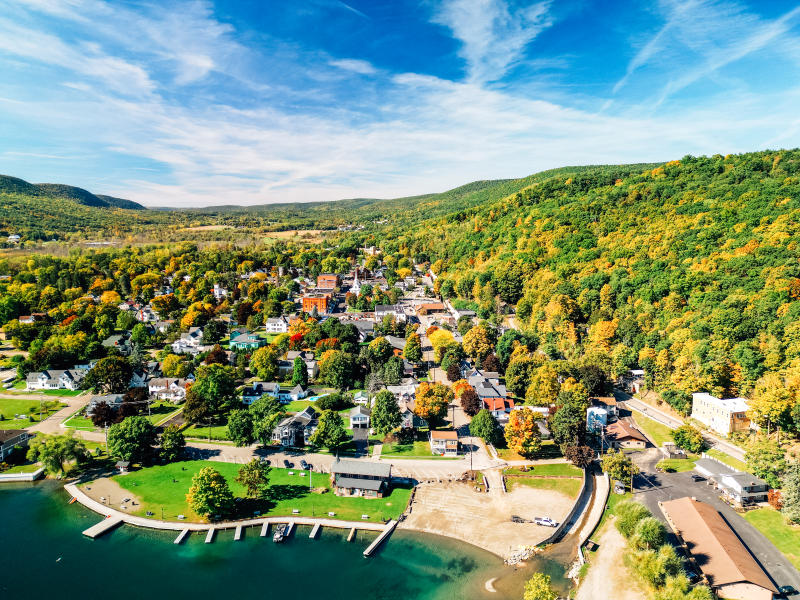
In the summer, the Village of Hammondsport is bustling with lake house residents and vacationers who enjoy the village’s small-town feel and welcoming community. There is live music and art shows in the park, as well as boat shows and other festivities to engage locals and visitors alike. Depot Park is a popular hangout spot for beachgoers and boaters and a beautiful place to take in the sunsets.
In the winter, the village is a bit quieter and still, and reminiscent of those beloved holiday movies, with sweet twinkling lights and cute shops and decor.
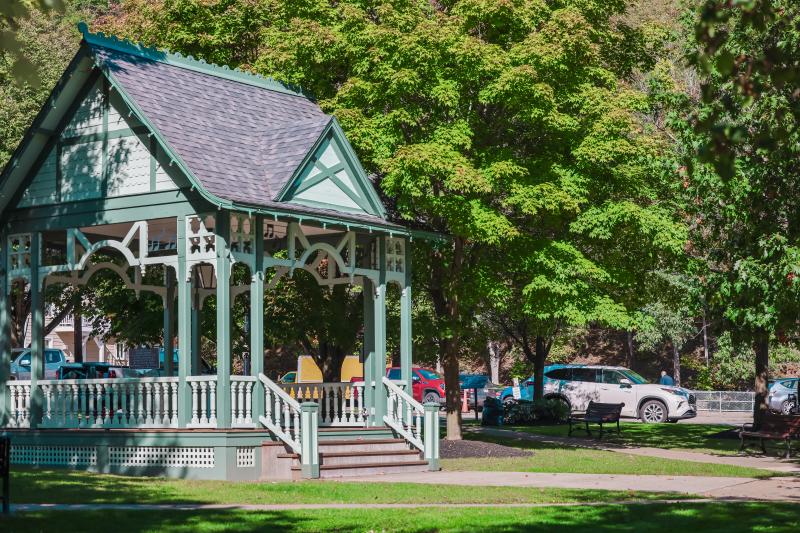
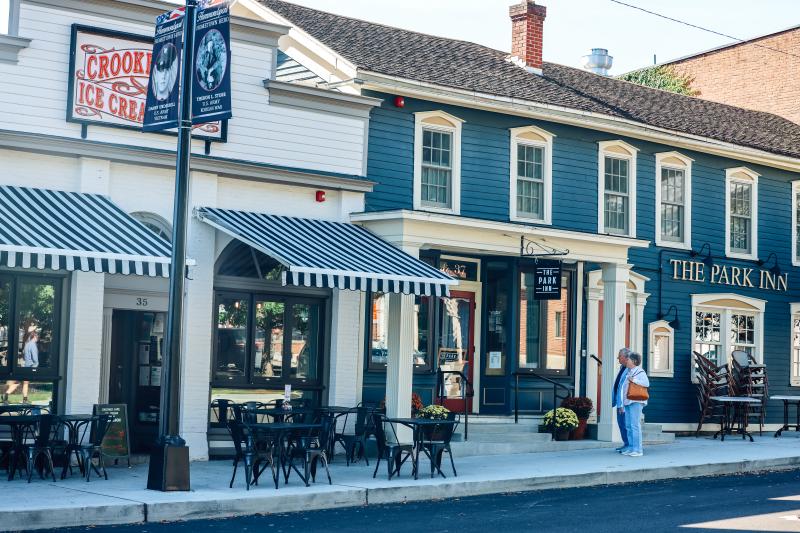
This charming downtown also offers independently- and locally-owned shops and restaurants surrounding the picturesque Pulteney Square and gazebo. Just a few steps away are the shores of Keuka Lake at Depot Park. Stop into local favorites like Crooked Lake Ice Cream for more than ice cream; come for a light breakfast, espresso drinks, or lunch sandwiches and salads. Want something a bit more upscale? Make a reservation at The Park Inn restaurant for seasonal farm-to-table dishes and book a stay in any one of the romantic and cozy rooms upstairs. Other great spots to check out in the village is the Irish Maloney’s Pub, a casual community hangout for drinks and meet-ups, and Vern’s Bakery for fresh-baked goods and some of the biggest croissants you will ever see!
Antiquing
Antique lovers will find a lot of cute shops for treasure hunting. Right in the village are Patina and Opera House Antiques. A short drive away, just on the edge of the village, is Crooked Lake Antiques. Further up off West Lake Road are Stone View Barn and Wild Goose Chase Antiques in Pulteney. Kelley’s Korner Antiques and Collectibles is further up NY-54 on the East side of Keuka Lake.
Museums
Learn the history of the pioneer aviator, “Father of Naval Aviation,” and the “Fastest Man on Earth” while exploring the priceless collection of artifacts at the Glenn H. Curtiss Museum. The museum covers early aviation as well as the inventions of Glenn H. Curtiss, including motorcycles, bicycles, boats, and different aircrafts.
Learn about the Finger Lakes region’s boat-building heritage at the unique Finger Lakes Boating Museum. The museum offers a collection of over 200 antique boats, preserving the vintage art and craftsmanship behind boat building.
Wineries and Craft Beverage Producers
Hammondsport is home to wineries that pair delicious wine with amazing views of Keuka Lake; Ravines Wine Cellars, Weis Vineyard, Point of The Bluff, Domaine LeSeurre, Keuka Springs, McGregor Vineyards, Hunt Country, and Heron Hill Winery are just a few.
If you want to kick off your wine experience with a bit of history about the evolution of wine in our region, make sure to visit Dr. Konstantin Frank. This winery, located near Hammondsport, was responsible for revolutionizing winemaking in the United States when Dr. Konstantin Frank, a Ukrainian immigrant, successfully developed a method for growing Vinifera, or European wine grapes, in Upstate New York. After 300 years of failed attempts to introduce Vinifera to colder climates, Dr. Frank revolutionized the winemaking landscape the region is known for today. Still, we highly recommend checking out the list on the Keuka Lake Wine Trail website and exploring the Craft Beverage Trail.
Pleasant Valley Wine Company
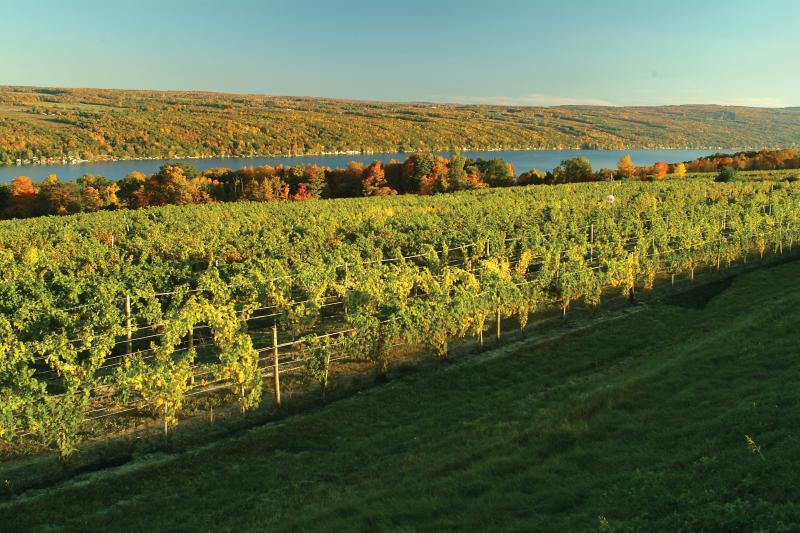
Visit the oldest winery in the Finger Lakes, located just outside the Village of Hammondsport. It offers historic tours of its property dating back to 1860. Pleasant Valley Wine Company, known for its Great Western Champagne brand, survived the prohibition years by selling sacramental and medicinal wine while sitting on an inventory of 70,000 cases that couldn’t be sold.
Watkins Glen State Park and Other Hikes
One of the most enchanting places for a leisurely hike in New York State is Watkins Glen State Park. Located steps from Watkins Glen’s main street, the two-mile Gorge Trail boasts 19 cascading waterfalls. Visitors can also hike the rim trails overlooking the 200-ft cliffs from above. The state park is closed during the winter months. However, hikers and outdoor lovers can still explore by visiting the year-round Catherine Valley, which allows visitors to experience the scenic beauty and historic charm of the glacially carved valley south of Seneca Lake. This 12-mile trail extends from the Village of Watkins Glen to Horseheads and follows an abandoned railroad and canal towpath corridors, passing through various wildlife habitats. The easy-to-navigate trail is perfect for walking, bicycling, cross-country skiing, and snowshoeing.
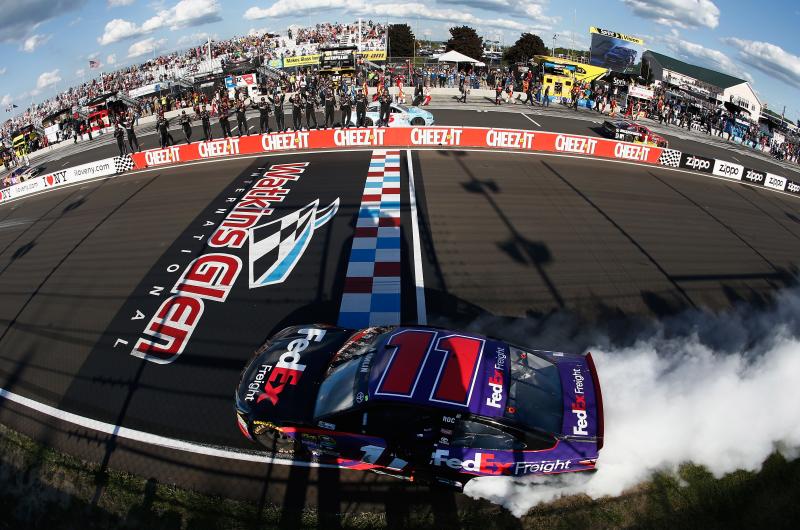
Watkins Glen International & Auto Racing History
Also known as “The Glen,” this road course racetrack hosts NASCAR and IMSA, among other year-round auto racing events. Watkins Glen International is also home to the annual Finger Lakes Wine Festival. Watkins Glen is noted as the Birthplace of American Road Racing. Don’t miss the Grand Prix Festival in September, or visit the International Motor Racing Research Center to learn more about the town’s legacy of auto racing. Watkins Glen International is also one of the best camping experiences for motorsports fans, with “camping weekend” events hosted throughout the year.
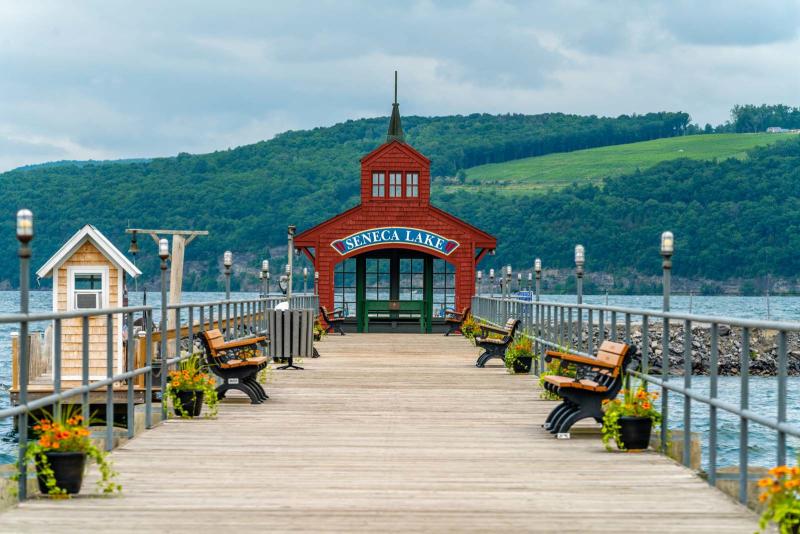
Downtown
You can find the scenic Seneca Lake pier on the south end of Seneca Lake, and from here, you can take a sail on the True Love or go on an excursion with Captain Bill. Explore the different locally owned and independent restaurants, cafes, shops, and bars. What could be better than waking up to the beautiful views of Seneca Lake while staying at the exceptional Watkins Glen Harbor Hotel, named “Best Waterfront Hotel in the Nation” by USA Today. Be sure to stop in at Lucky Hare Bar and Grill for a bite and some great brew (bonus: on warmer days, there’s plenty of seating on the outdoor deck by the lake)!
Seneca Lake Wine Trail
Watkins Glen is in a prime location for discovering and tasting your way through the Seneca Lake Wine Trail member wineries. Seneca Lake is the deepest of the lakes, moderating the local climate and making for ideal temperatures for growing grapes. When visiting a Seneca Lake Wine Trail member winery, you are guaranteed to enjoy wine made from grapes grown in the Seneca Lake AVA. Must visits include Lakewood Vineyard, Glenora Wine Cellars (also home to Veraisons Restaurant and a 30-room Inn overlooking the vineyards and lake), Wagner Vineyards (also home to Wagner Valley Brewing and The Ginny Lee Café), Hazlitt 1852 Vineyards, and J.R. Dill Winery, just to name a few!
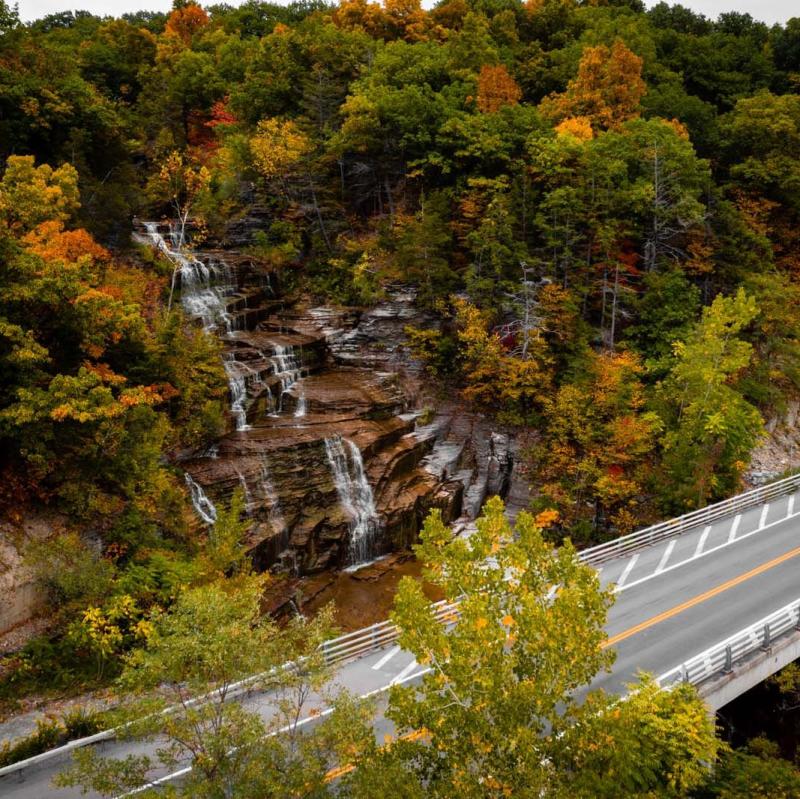
Hector Falls
Driving along the east side of Seneca Lake, just a mile and a half north of Watkins Glen on Route 414, you will see one of the region’s most beautiful roadside attractions, Hector Falls. Witness this magical, cascading waterfall right from the comfort of your car. You can see the lower falls that feed into the lake from Seneca Lake. Note: this is a roadside waterfall. Please be cautious of fast-moving vehicles when stopping for views and photos.
Check out J.R. Dill’s Wine Bar on Franklin St. Here, you can enjoy a leisurely environment, some tasty cocktails, and J.R. Dill wine selections. Graft Wine and Cider Bar serves up some hearty meals that are seasonally and locally inspired. Pair with their great selection of local ciders. Looking for some freshly baked bagels for a morning bite? Check out The Blackberry Inn Kitchen – though arrive early as these delicious bagels go fast! And if you are looking for a delicious cup of coffee, there are some really great options to choose from, starting with Seneca Sunrise Coffee, right in Watkins Glen, or North New York in Montour Falls, and also Overlook Coffee Company in Burdett – as a starter list! Lastly, if you want a nice brunch and breakfast spot, we recommend Elf and The Oak, Jonny’s Kitchen, Stonecat Cafe (seasonal – closed in the winter), and Ryan Williams Vineyard for brunch and lunch…and wine! TIP: Always check out the social media platforms or websites (or call) before visiting, as hours change seasonally.
Calling all cheese lovers! In Finger Lakes Wine Country, you can sip your way around our wine trails and taste your way through our dairy farms for a cheese lover’s experience. Farm-to-table is a way of life here, so we’re highlighting the best creameries and dairy farms in the region. You can also visit Finger Lakes Farm Country, a local organization promoting agri-tourism within the region.
Agri-tourism is a travel trend that focuses on visiting farms, dairies, and ranches, to get a behind-the-scenes look at how they operate. Happy cows make the best cheese and on this trail, you’ll discover a delicious variety of locally-sourced artisan cheeses. From cuddling cows to learning about the cheese-making process, there’s an assortment of activities for all ages at these working farms. We encourage you to call ahead before visiting any of the locations listed to check opening times and availability.
Sunset View Creamery
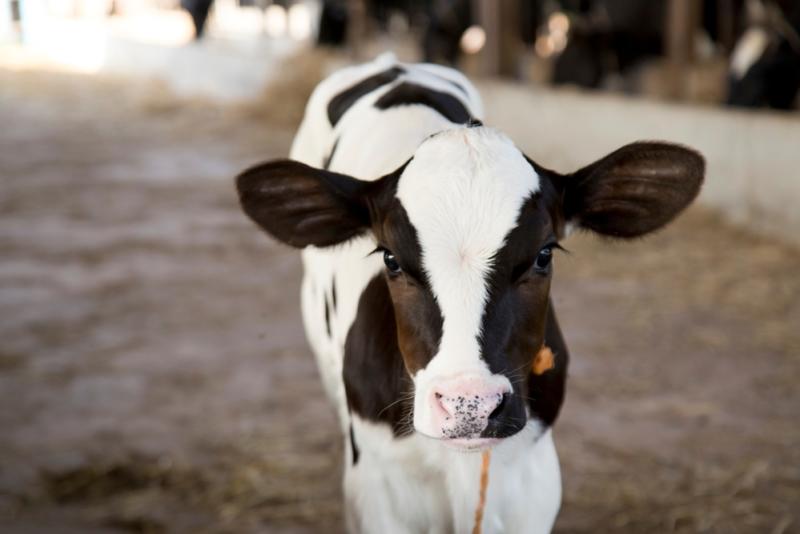
Sunset View Creamery in Odessa, New York offers a selection of artisan cheeses made using fresh milk from their century-old family-owned and operated dairy farm. You can go on a self-guided tour of the cheesemaking facility, meet the dairy cows, then visit the shop for a tasting of cheese curds, fresh mozzarella, and more. Shop other locally-produced food items in their farm store or schedule a cow cuddling session!
Shtayburne Farm
On the western shore of Seneca Lake in Rock Stream, NY you’ll find Shtayburne Farm. A fourth-generation dairy farm offering small-batch cheeses made with locally-grown crops and milk. Visit their tasting room and sample some of their unique combinations including; Tomato Basil Jack, Smoked Bacon Cheddar, and Dill Cheese Curds.
Engelbert Farms
Engelbert Farms in Nichols, New York is the first certified organic dairy farm in the United States since 1984 and offers certified organic products in their farm store and kitchen. Browse their selection of organic cheddars, Colby, gouda, swiss, jacks, and mozzarella. You can also find farm-raised organic meats and produce as well as items from nearby farms including eggs, raw honey, maple syrup, and fruit bitters. Engelbert Farms is open year-round, Thursday through Saturday.
Side Hill Acres Goat Farm
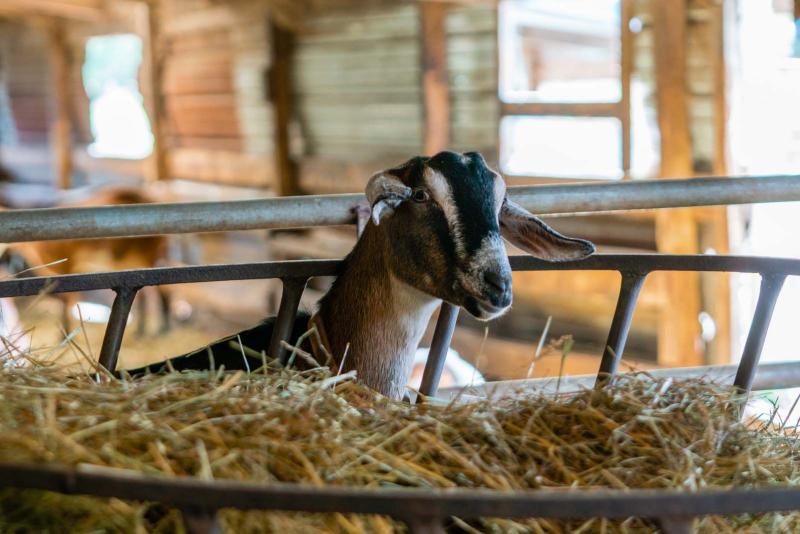
Side Hill Acres Goat Farm in Candor, NY are producers of gold medal award-winning goat milk cheese. This family-operated goat dairy on the southeast of Cayuga Lake is home to 157 dairy goats that provide the milk for goat cheeses, feta, cream cheese, and mozzarella. Visitors can tour the farm, tour the cheese plant, learn how the cheese is made, and learn how to milk a goat by hand! Their gift shop also includes other items made from goat milk such as ice cream, soaps, and other beauty aides.
Stewart’s Family Farm and Creamery
Stewart’s Family Farm and Creamery in Hornell, New York sells dairy products like milk, goat cheese, and ice cream. Along with seasonal vegetables, fresh fruits, maple syrup, and more 4 days a week year-round. You can find milk, eggs, cheese, and ice cream in the refrigerator on their porch and during the summer you can buy their products from the Corning Farmers Market.
Honorable Mentions
Mooney’s Sports Bar & Restaurant
Mooney’s, an eight-location chain across upstate New York, is the self-described “Home of the Mac and Cheese.” Dairy and carbs are serious business here. The selection is astounding with well more than a dozen variations on the classic. There’s taco, lobster, Philly cheesesteak, Buffalo chicken, stuffed banana peppers, BLT and many more varieties of mac and cheese.
Seneca Farms
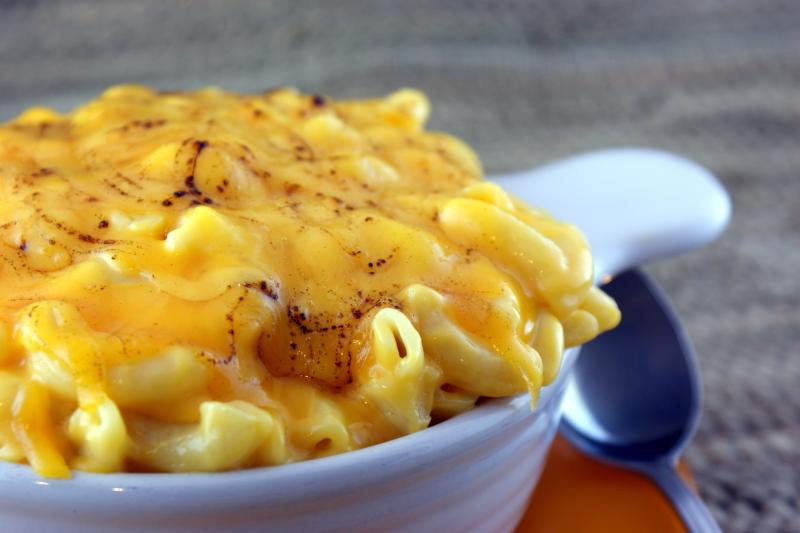
If you’re craving mac and cheese and other comfort foods like fried chicken and corn fritters be sure to plan a stop for lunch at Seneca Farms. This retro spot on the northern tip of Keuka Lake is an affordable and family-friendly dining option.
Golden Age Cheese Company
At Golden Age Cheese Company in Woodhull, NY you’ll find fresh cheese every day from fresh mozzarella, mild to aged cheddars, cheddar cheese curds, specialty cheddars, a variety of smoked cheeses, and more! This wholesale and retail cheese manufacturer has been producing quality cheeses since 1983. If you can’t make it to the region you can order these delicious cheeses online!
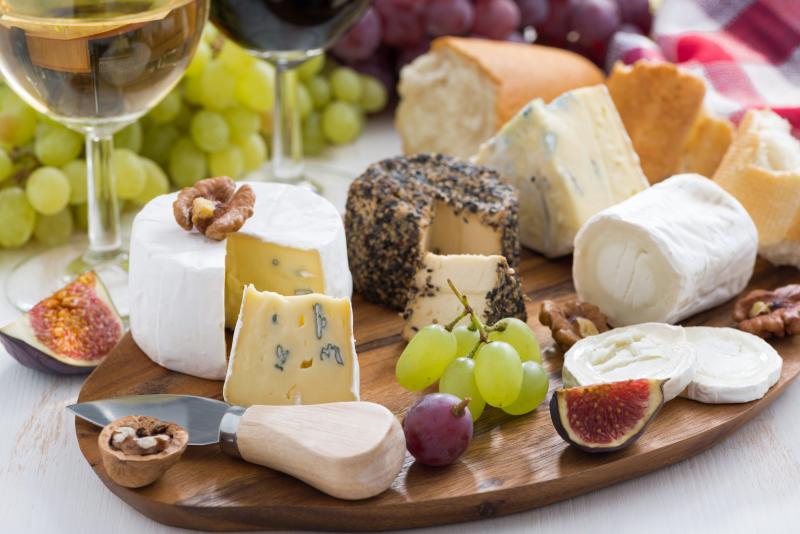
The collection of creameries and dairy farms making artisan cheeses on the Finger Lakes Cheese Trail is sure to please any cheese enthusiast. If you’re looking for the best local cheeses to pair with our award-winning wines or you’re a foodie with a nose for cheese. You can spend days tasting the best fresh cheddar, jacks, blues, and chèvres on the Finger Lakes Cheese Trail.