
You Do Not Have to Know Wine to Love It Here
A lot of wine writing talks to people who already know wine. This is not that.
This is for the person who has been curious about wine country but figured it was not really for them. For the group of friends who want to spend a weekend somewhere beautiful and interesting without being talked down to. For the Millennial who orders natural wine at their favorite restaurant and wonders where that ethos actually lives in the ground. For the Gen Z traveler who wants to understand what they are drinking without having to sit through a lecture to get there.
Finger Lakes Wine Country is for all of you. It always has been. The region just has not always been loud enough about saying so.
What Makes This Place Different
Wine Enthusiast named the Finger Lakes American Wine Region of the Year in 2025. The New York Times called it the leading cool-climate wine region in the country. VinePair listed it among the world’s top ten wine destinations.
Those are real accolades earned over decades of serious work. But the reason the Finger Lakes keeps winning conversations is not the awards. It is the culture of the place.
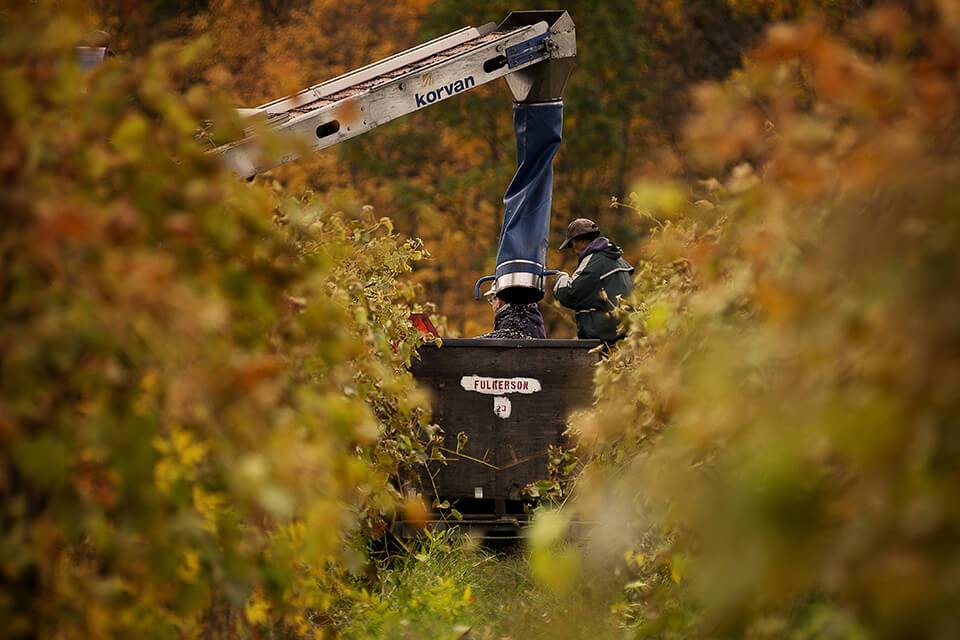
The producers here are, by and large, people who chose a harder road to make wine with more integrity. The region’s cool climate and short growing season do not forgive shortcuts. Grapes have to earn their way to harvest. That kind of farming builds a certain kind of producer: patient, attentive, honest about what the land is doing and what the vintage actually gave them.
That transparency is not a marketing strategy. It is a survival skill. And it creates a wine experience that feels fundamentally different from regions where the goal is to impress you before you even take a sip.
The Terroir, Without the Jargon
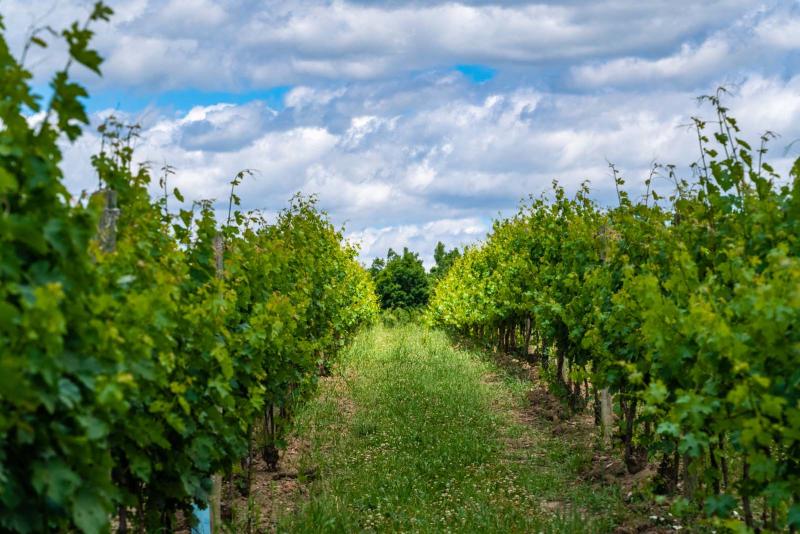
Here is what actually matters about how the Finger Lakes are shaped.
Glaciers carved it. The ice age left eleven long, narrow lakes running north to south through central New York, and those lakes run deep. Seneca Lake reaches 618 feet. That depth stores summer warmth and releases it slowly through the fall, which is what allows wine grapes to survive and thrive at this latitude. Without the lakes, there is no wine region. The lakes are not background scenery. They are the whole reason.
The soils are a mix of shale, slate, limestone, and glacial till. Different hillsides have different compositions, which is why two wineries on the same lake can make wines that taste genuinely different from each other. That is what people mean when they say terroir. It is not mysticism. It is geography expressing itself in the glass.
Cool temperatures slow ripening down. That is a good thing. Grapes that ripen slowly hold onto their acidity, which is what gives Finger Lakes wines their freshness, their structure, and their ability to age. The wines here do not hit you over the head. They build.
Riesling: The One Everyone Should Try First
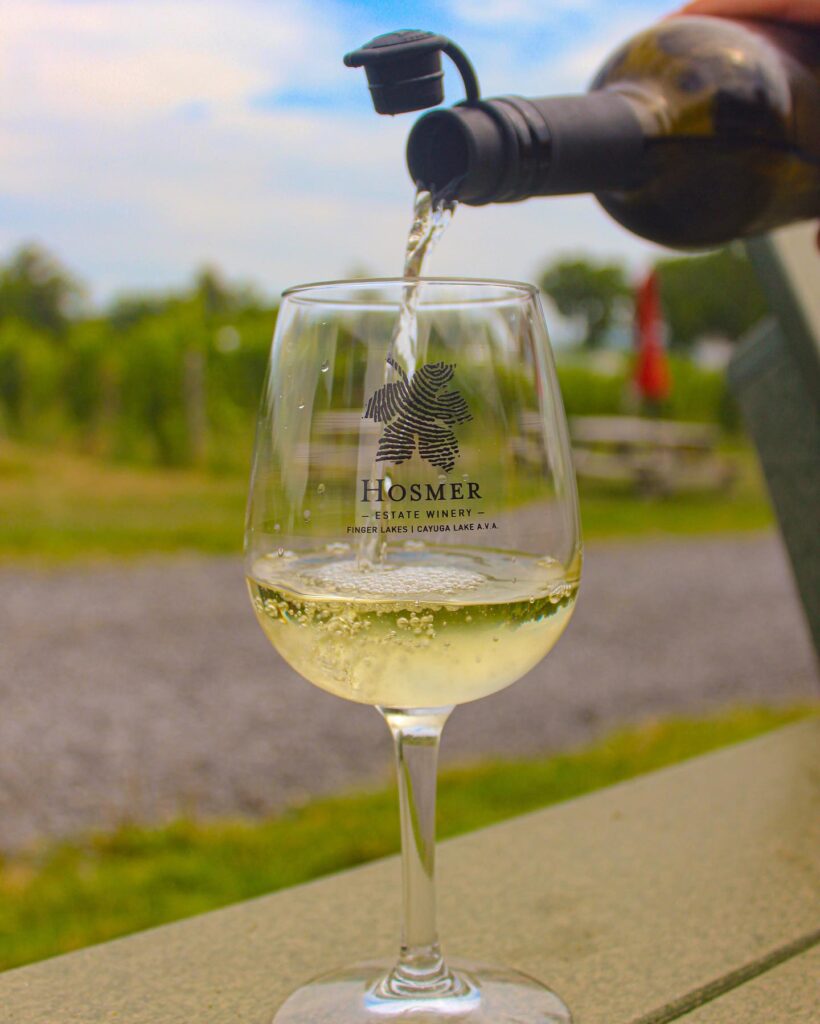
Riesling has a reputation problem in America that it does not deserve. People assume it is sweet. A lot of it is not. The Finger Lakes make Riesling across the full spectrum, from steely and bone dry to lusciously off-dry to the rare late-harvest versions made in exceptional years.
The dry Rieslings from this region are some of the most interesting white wines made anywhere in the country. They are high in acidity, mineral-forward, and complex without being heavy. They work with food in a way that many bigger, oakier white wines simply do not. They are also the kind of wine that gets more interesting the more you pay attention to it, which makes them a genuinely good entry point for people who want to go deeper without spending a lot.
Ask the person pouring for their recommendation. Tell them where you are on the sweet-to-dry spectrum if you know, or tell them you are not sure and let them guide you. That conversation is one of the best things about visiting this region. Nobody is going to make you feel bad for not knowing.
Cabernet Franc: The Red That Changed the Conversation
For a long time, Cabernet Franc was an afterthought in American wine. A blending grape, mostly. Something used to round out the bigger, more famous reds.
The Finger Lakes changed that narrative, and the broader wine world is now paying attention.
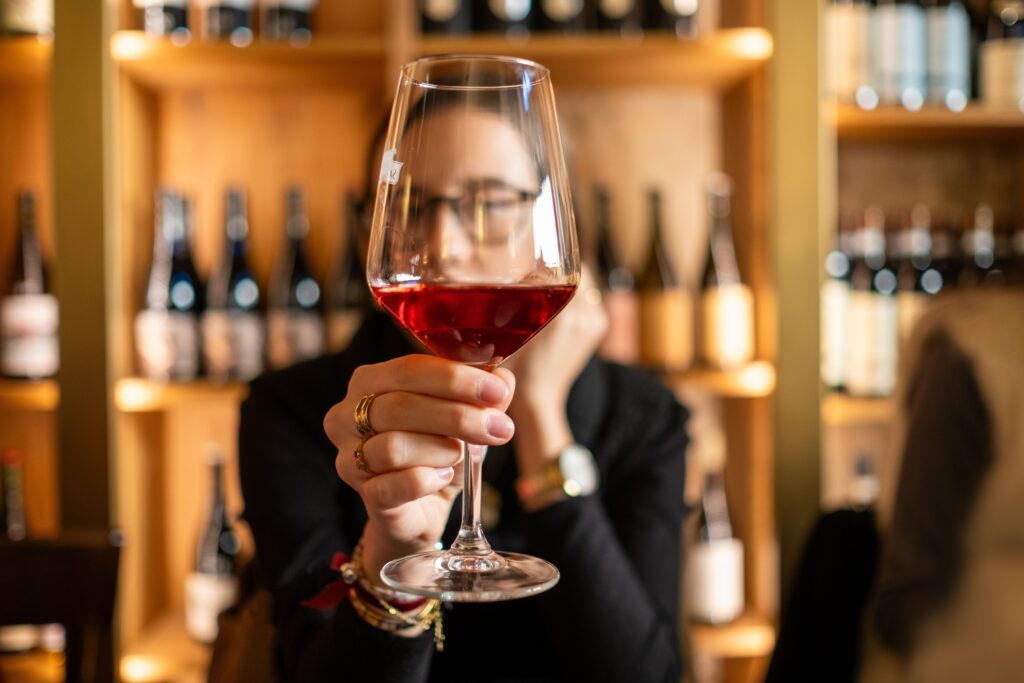
In a cool climate, Cabernet Franc comes into its own. The variety ripens slowly, holds onto freshness, and develops a profile that is deeply its own: bright red fruit, a savory herbal edge, structured tannins that are present but never punishing. It is a food wine in the truest sense. It is also the kind of red that people who think they do not like red wine sometimes find themselves finishing the bottle of.
Several Finger Lakes producers are now making Cabernet Franc that earns serious scores from serious critics. More importantly, they are making it at price points that mean you do not have to be a collector to drink it.
The Part the Industry Does Not Talk About Enough
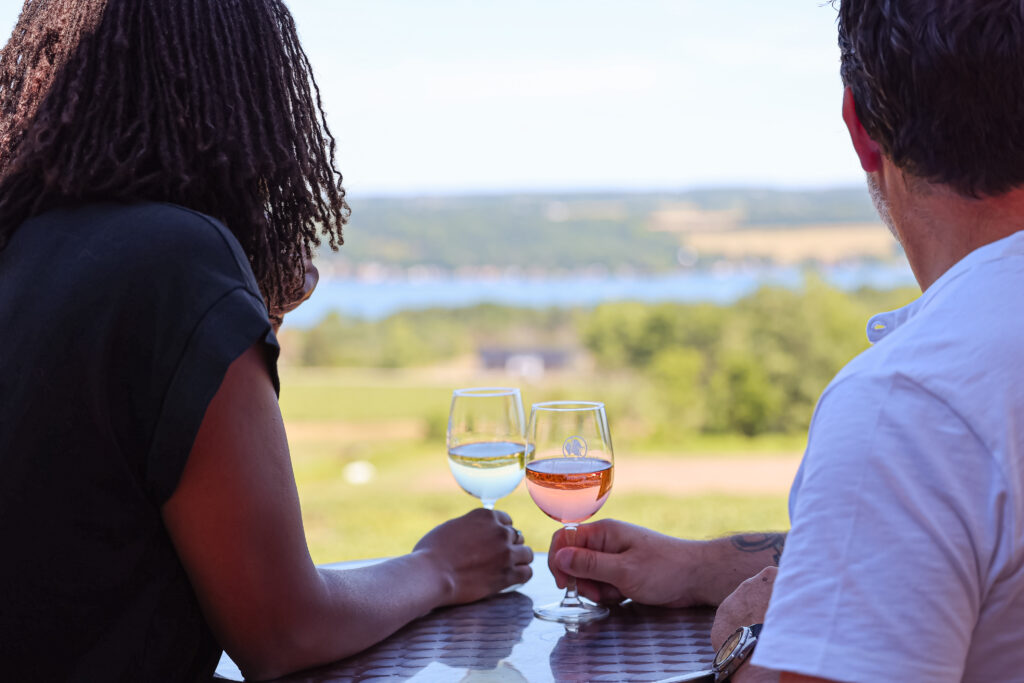
Wine has a well-documented problem with pretension. The jargon, the ritual, the implicit suggestion that enjoyment requires expertise. Many younger drinkers have simply opted out of that dynamic, and the industry is slowly figuring out how to respond.
The Finger Lakes did not build itself on prestige. It built itself on craft and community, on small producers doing the hard work of farming a difficult climate because they believe in what it produces. That is a genuinely different foundation, and it shows in how the region feels to visit.
You will taste wines made by the same person who grew the grapes, picked the fruit, and can tell you exactly what the season was like. You will not be handed a scripted tasting note and pointed toward the gift shop. The conversations in tasting rooms here tend to be real.
That is what the next generation of wine drinkers is actually looking for. Not cheaper. Not simpler. More honest.
Not a Wine Drinker? Come Anyway.
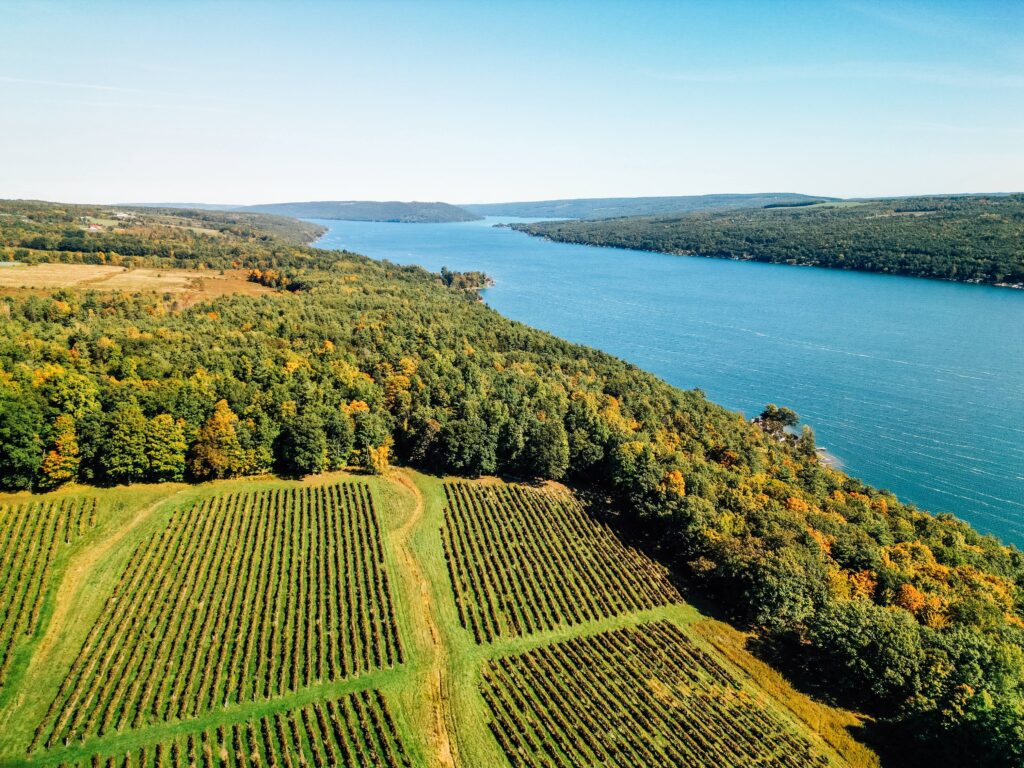
The Finger Lakes region has one of the most dramatically beautiful landscapes in the eastern United States. Watkins Glen State Park has nineteen waterfalls accessible on foot, minutes from the Seneca Lake wine trail. The gorge trails are genuinely stop-and-stare beautiful. The Corning Museum of Glass is one of the great art-and-science institutions in the country. There are working farms, craft distilleries, a strong local food culture, and small towns that have their own character rather than existing to serve tourists.
Craft beverages beyond wine are well worth exploring, too. Regional cideries, meaderies, and distilleries are part of the same producer culture that built the wine region: small-scale, transparent, genuinely proud of what they make.
The wine is the headline. The place is the reason people come back.
Plan Your Visit
The best starting point for a Finger Lakes Wine Country trip is our Resources pages, where we have curated itineraries, tips, and info, like these, lodging, dining, events, and editorial content from people who actually live and work here.
The Finger Lakes does not ask you to love wine already. It just asks you to show up open to it.
That tends to be enough.
Frequently Asked Questions
Is the Finger Lakes a good wine region for beginners? Yes. It is one of the most approachable wine regions in the country for people new to wine, primarily because the producer culture here is built on honest conversation rather than intimidation. Most tasting rooms welcome questions at any level of knowledge. Riesling is an excellent starting point.
Is the Finger Lakes a good wine region? Yes. The Finger Lakes is Wine Enthusiast’s 2025 American Wine Region of the Year and is consistently ranked among the top wine destinations in the United States. The region is especially known for Riesling and Cabernet Franc made by independent producers with deep roots in the land.
How does Finger Lakes wine compare to Napa or Willamette Valley? The Finger Lakes is its own thing. Stylistically, it is closer to cool-climate European wine than to Napa’s warm-climate Cabernet. It shares some sensibility with Willamette Valley but produces a distinct range of varietals, with Riesling as its signature rather than Pinot Noir. For drinkers who find Napa too heavy or too expensive, the Finger Lakes is often a revelation.
What grapes grow best in the Finger Lakes? Riesling is the flagship and the region’s highest critical achievement. Cabernet Franc has emerged as a serious and increasingly recognized red variety. Pinot Noir, Gewurztraminer, and a range of hybrid varieties also perform well in the cool climate.
Where can I plan a Finger Lakes wine trip? fingerlakeswinecountry.com is the official regional planning resource, with winery listings, trail maps, itineraries, lodging, events, and editorial travel content for the full five-county Finger Lakes Wine Country region.