
Season: Winter
Hey….Where’s all the snow I keep hearing about?
Our weather is less snowy than in Buffalo, Rochester, or northern Pennsylvania. This is due to several key geographic and climatic factors, including the region’s distance from the Great Lakes, its terrain, and the local weather patterns that influence snowfall.
1. Distance from the Great Lakes
Buffalo and Rochester, located along the eastern shores of Lake Erie and Lake Ontario, are directly impacted by a weather phenomenon called lake-effect snow. This occurs when cold air moves over the relatively warmer waters of the lakes, causing moisture to evaporate, and when this moist air cools, it releases the moisture in the form of snow. This process produces heavy, localized snowfalls, particularly on the east sides of the lakes. Buffalo and Rochester are both in the direct path of these snow bands, which is why they often experience substantial snowfall in the winter.
In contrast, Finger Lakes Wine Country is located further inland, about 50 to 100 miles from the Great Lakes. While the region is still influenced by the lakes, it is far enough away that it does not experience the same intensity of lake-effect snow. The Finger Lakes still have a moderating effect on the climate, helping to keep temperatures milder, but they do not produce the heavy, persistent snowfalls that occur in cities like Buffalo and Rochester.
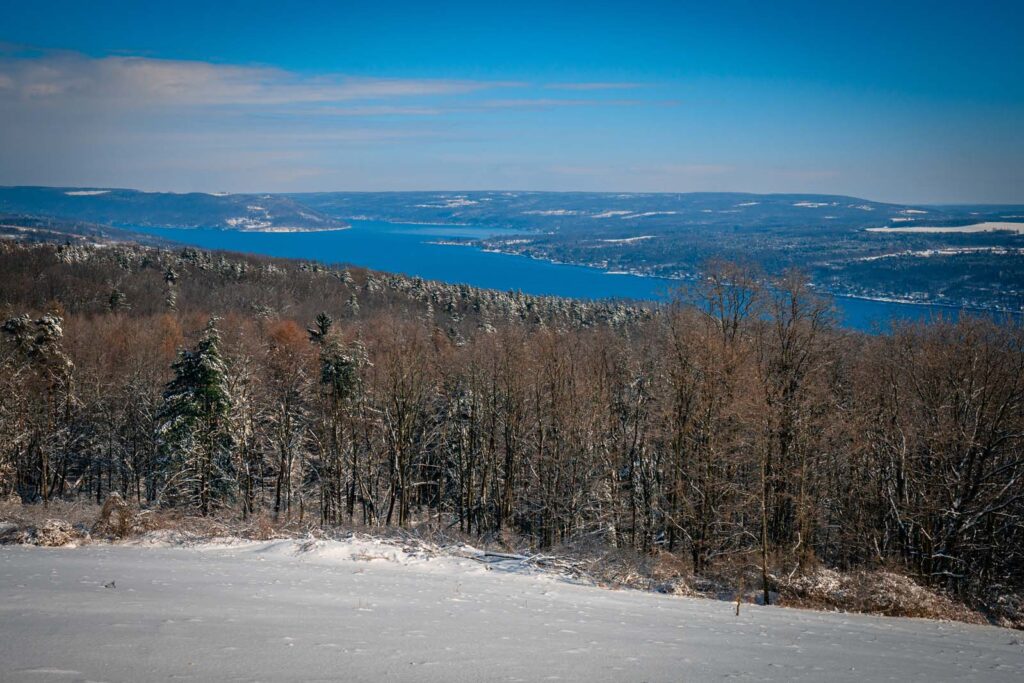
2. Topography of the finger lakes region
The terrain of Finger Lakes Wine Country plays a role in reducing snowfall. The region is characterized by rolling hills, valleys, and deep lakes that create a more sheltered environment compared to the open flat areas near the Great Lakes. These hills can block or weaken the lake-effect snow bands before they reach the Finger Lakes, preventing the area from experiencing the heavy snowfalls seen in nearby cities.
Additionally, the mountain ranges and higher elevations of northern Pennsylvania also contribute to more snow. In these regions, the wind patterns are more conducive to lifting moist air, which results in heavier snow. The Finger Lakes, on the other hand, are not as prone to these elevated snow-producing processes.
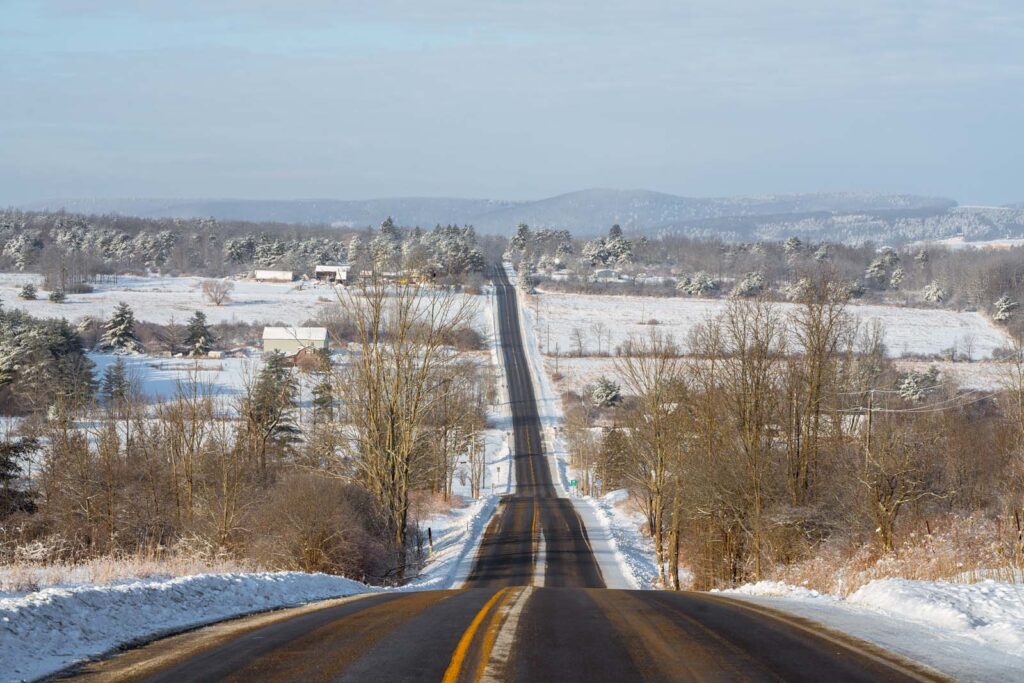
3. Wind Patterns and Lake Effect
The winds that bring lake-effect snow are generally westerly or northwesterly, blowing across the Great Lakes and onto the land. While Buffalo and Rochester are directly in the path of these winds, the Finger Lakes region is positioned more to the south and east, meaning it is shielded from the most intense lake-effect snow. The terrain of the Finger Lakes, with its valleys and the protection offered by the surrounding hills, means that many of the snow bands lose strength before reaching the area.
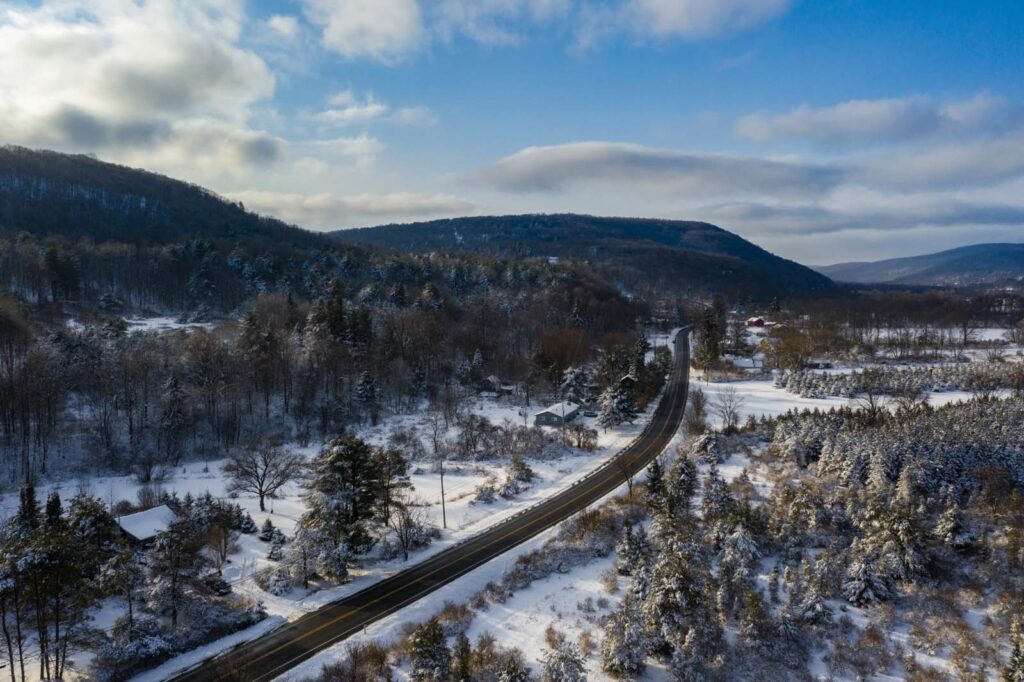
4. Influence of Northern Pennsylvania
Northern Pennsylvania, particularly areas like Erie and the Appalachian Mountains, is more likely to experience significant snowfall due to both lake-effect snow from Lake Erie and the upslope snow effect. The higher elevation and proximity to the Great Lakes in this region allow for more consistent snowfall throughout the winter. As the wind pushes moisture-laden air from the lakes, the air is forced upwards by the mountains, causing more precipitation in the form of snow.
The Finger Lakes region, by comparison, is lower in elevation and more shielded from these upslope effects, resulting in less frequent and less intense snowfall. The Finger Lakes’ climate is more moderate, and although snow can still fall, it is generally less persistent or heavy than in northern Pennsylvania or along the lakeshores of Buffalo and Rochester.
ALL THIS METEOROLOGY MEANS….
Finger Lakes Wine Country gets less snow than Buffalo, Rochester, or northern Pennsylvania because of its inland location, further from the direct influence of lake-effect snow caused by the Great Lakes. The region’s rolling hills and valleys shield it from the worst of the lake-effect snow, and the milder temperatures due to the distance from the lakes further reduce snowfall. Additionally, northern Pennsylvania’s higher elevations and proximity to the Great Lakes make it more prone to consistent snowfall, while the Finger Lakes region experiences a more moderate winter climate overall.
So, even though our lakes—Cayuga, Seneca, and Keuka—are “great,” they are not large enough to make a significant impact on snowfall amounts. So, if you hear about blizzards in upstate New York, they’re likely NOT referring to Finger Lakes Wine Country, so don’t let a few snow flurries keep you from visiting!
Next time you’re looking for a fun cocktail, try these delicious red wine cocktail recipes using Finger Lakes Wine Country’s famed red varieties like Pinot Noir, Cabernet Franc, and Merlot to name a few, paired with easy to find ingredients. Cheers!
Watch the Video!
After you’ve tried them for yourself, watch step by step as Megan from Finger Lakes Wine Country shows you ]how to make the Finger Lakes Red Wine Spritzer and the Upstate New York Sour.
While there is nothing more refreshing than a glass of rosé on a warm day, if you’re anything like us, you love rosé wine no matter the season! Ready to take your rosé game to the next level? We’ve got your back!
Combine some of our favorite Finger Lakes Wine Country rosés from wineries in our region with some of the best spirits from our region’s distillers in these simply delicious FLX Rosé cocktail recipes to try at home.
Watch the Video!
After you’ve tried them for yourself, you can see a couple of these recipes come to life as Megan from Finger Lakes Wine Country shows you step by step how to make these delicious drinks.