Here’s a season nobody puts on a brochure: mud season.
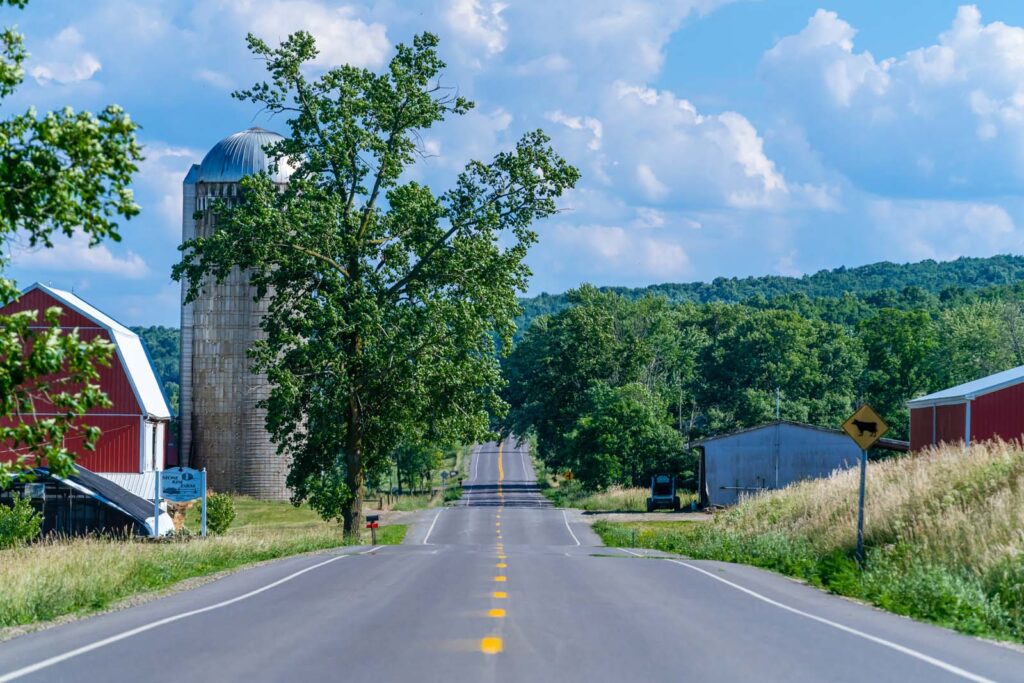
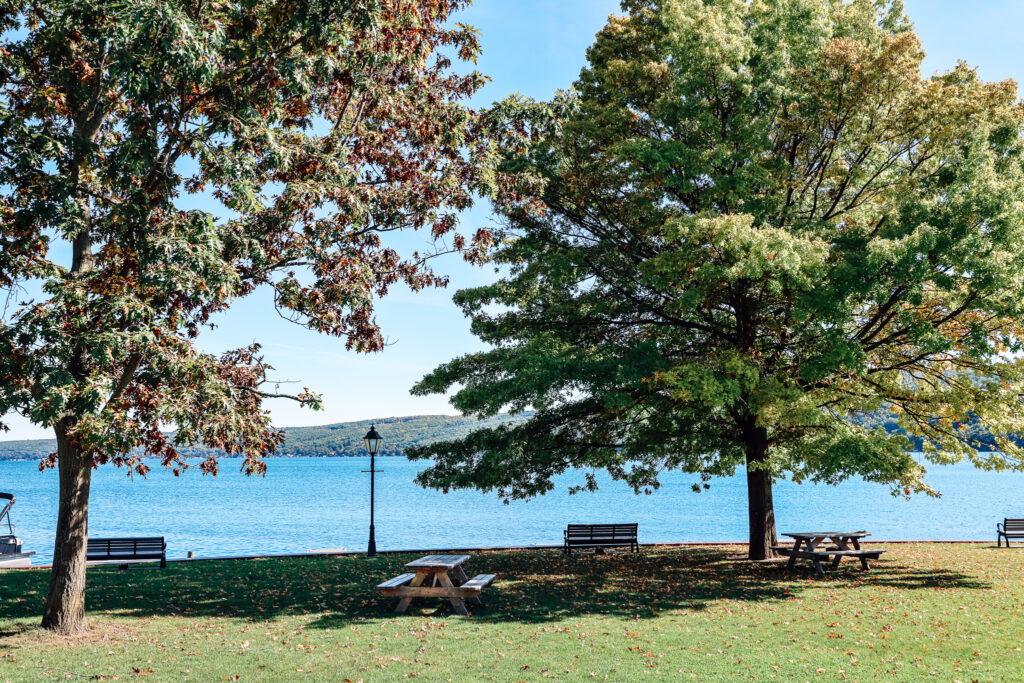
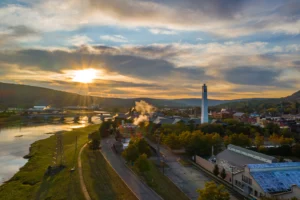
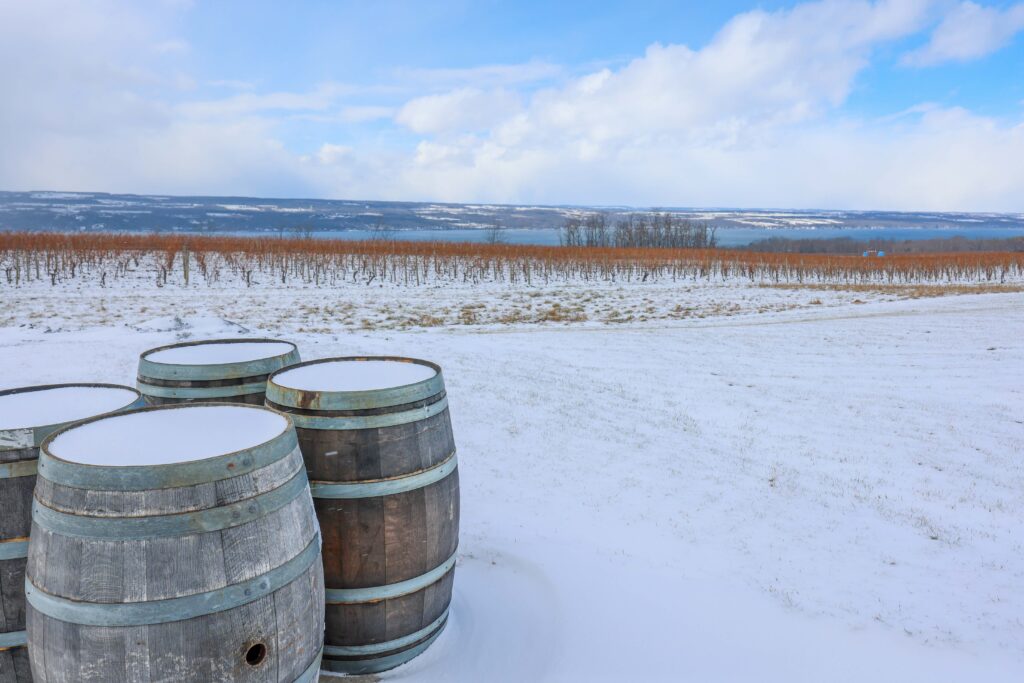
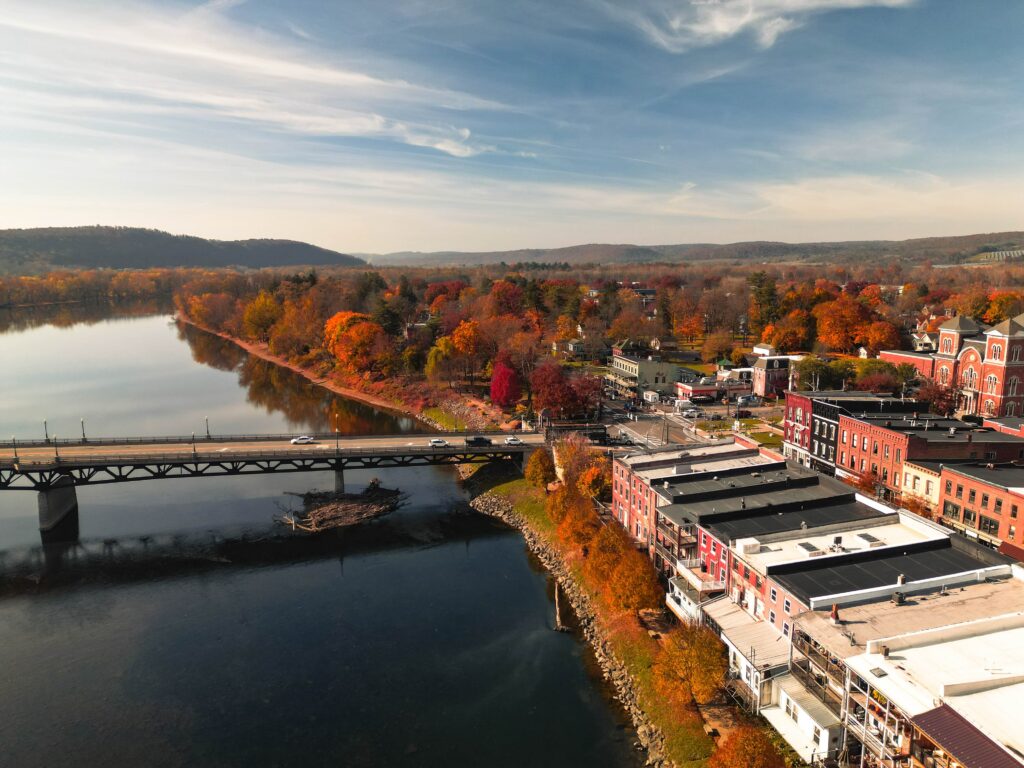
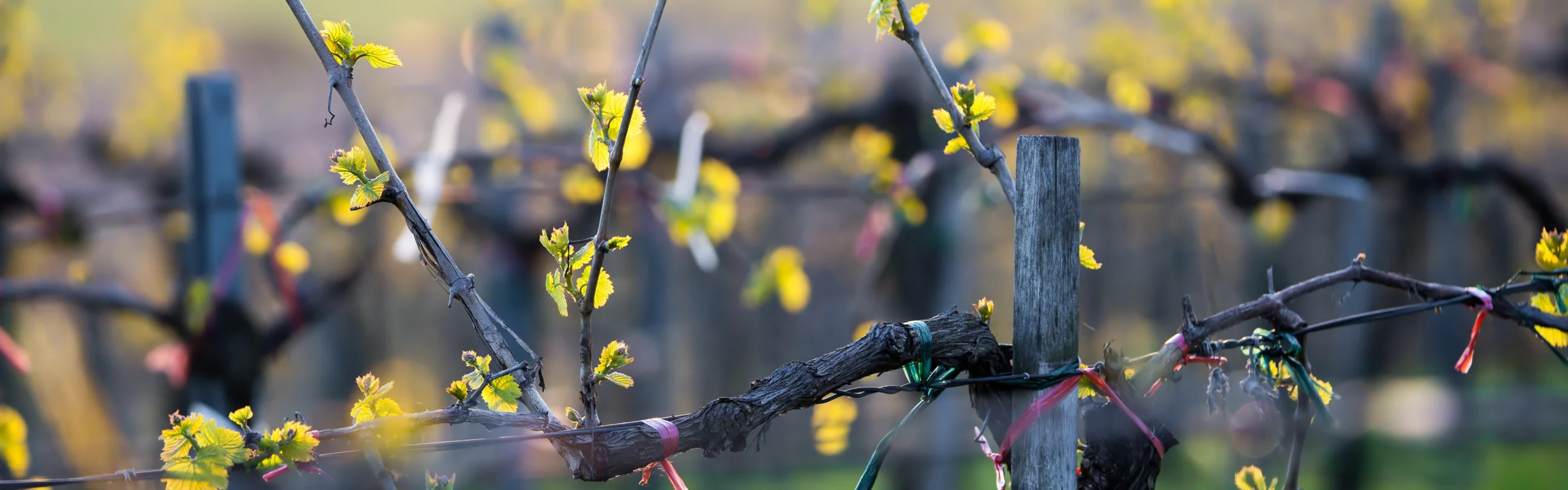
Late March into April in Finger Lakes Wine Country, the last frost has lost its grip and the first green is just beginning to push through the vineyard floor. The roads through wine country are quiet. The lakeshores smell like cold water and turned earth. The tasting rooms are open, warm, and almost entirely yours.
The crowds don’t come until May. They don’t know what they’re missing.
What Is Mud Season, and Why Is It Actually Great?
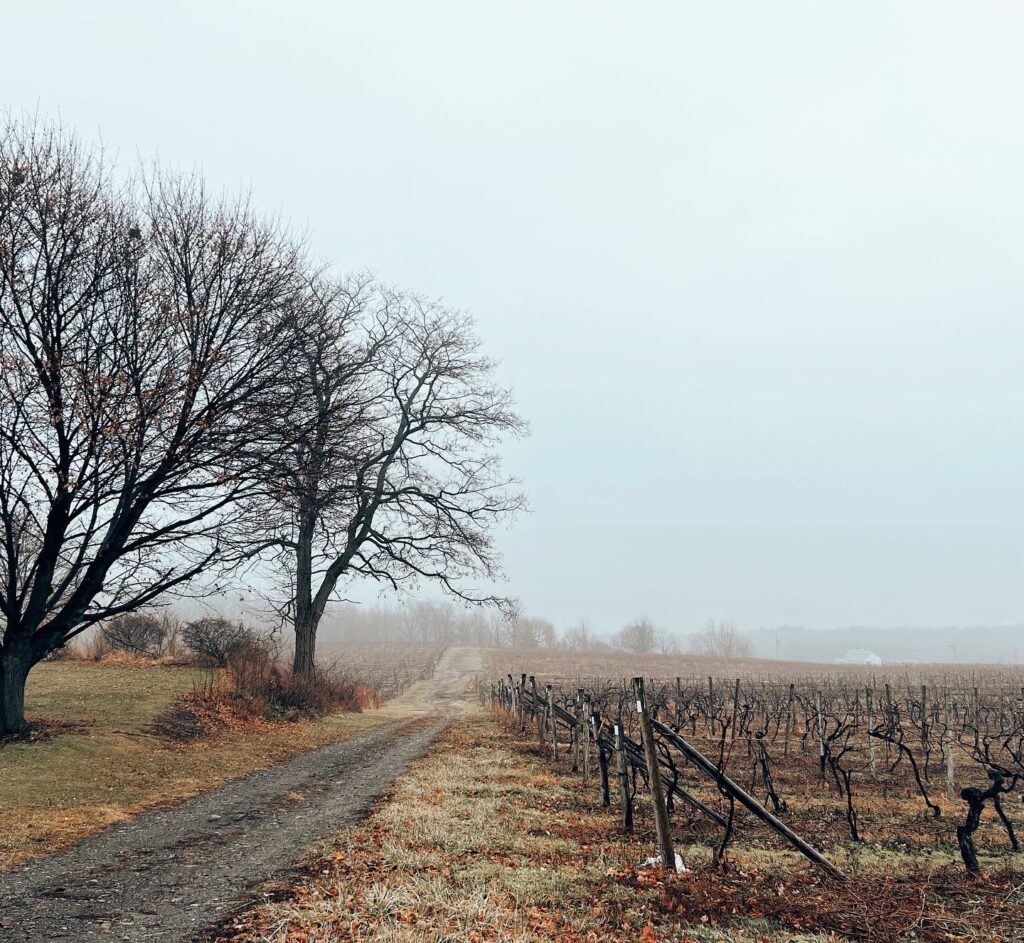
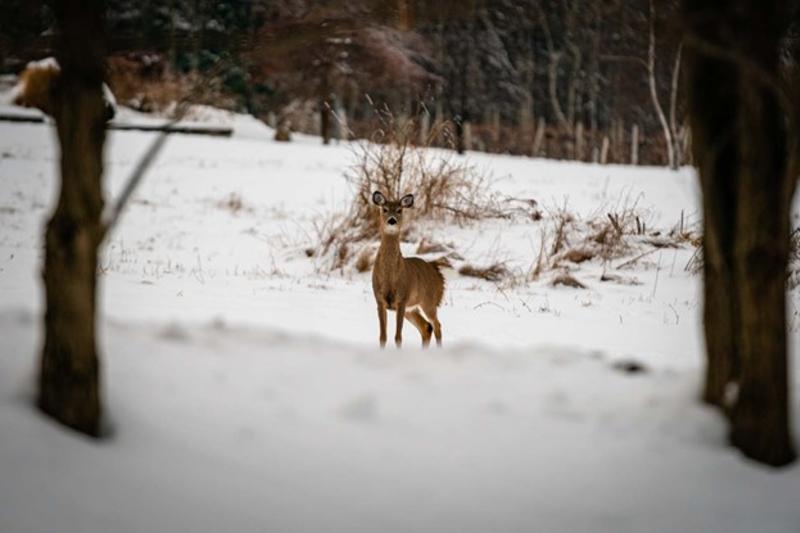
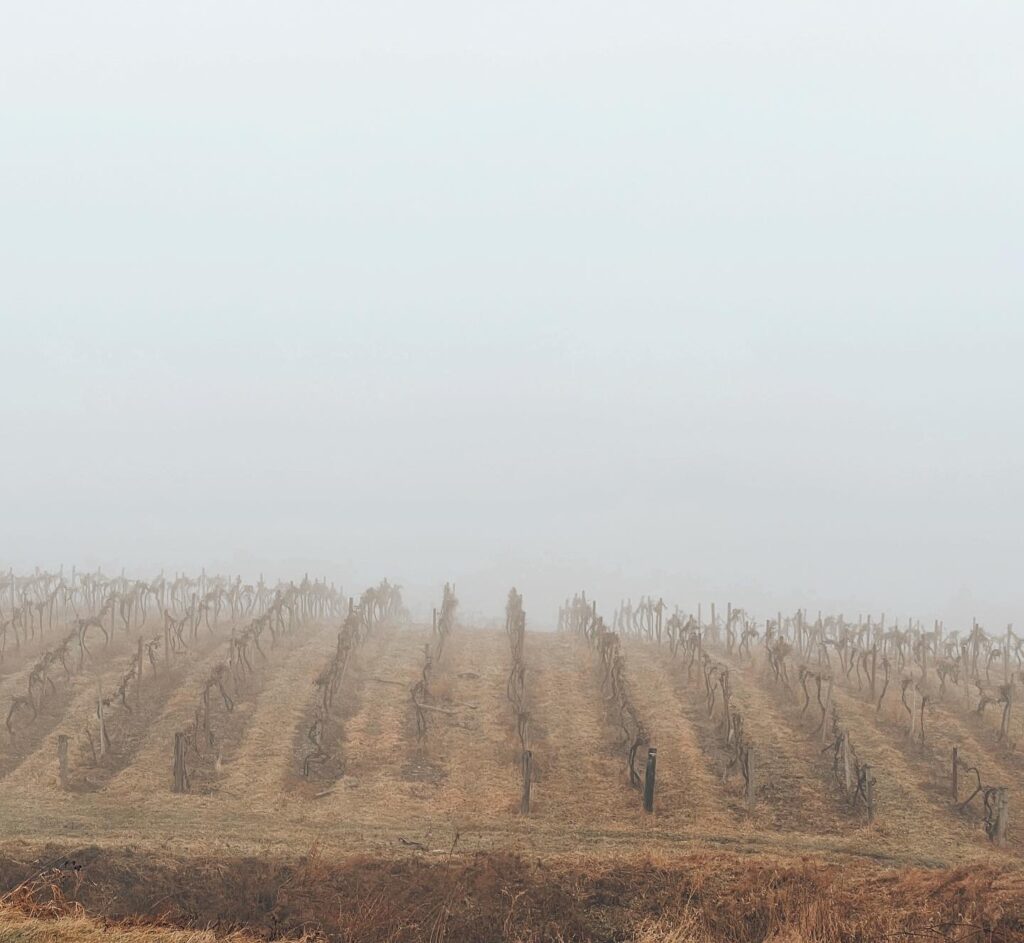
Mud season is the shoulder period between winter and spring — the six or so weeks when the snow has gone soft, the ground hasn’t quite firmed up, and the Finger Lakes are doing the quiet work of becoming themselves again. It’s not Instagram-perfect. The vines are bare sticks. The hillsides are brown and gold and getting greener by the day. The roads leading to hilltop wineries sometimes earn their reputation.
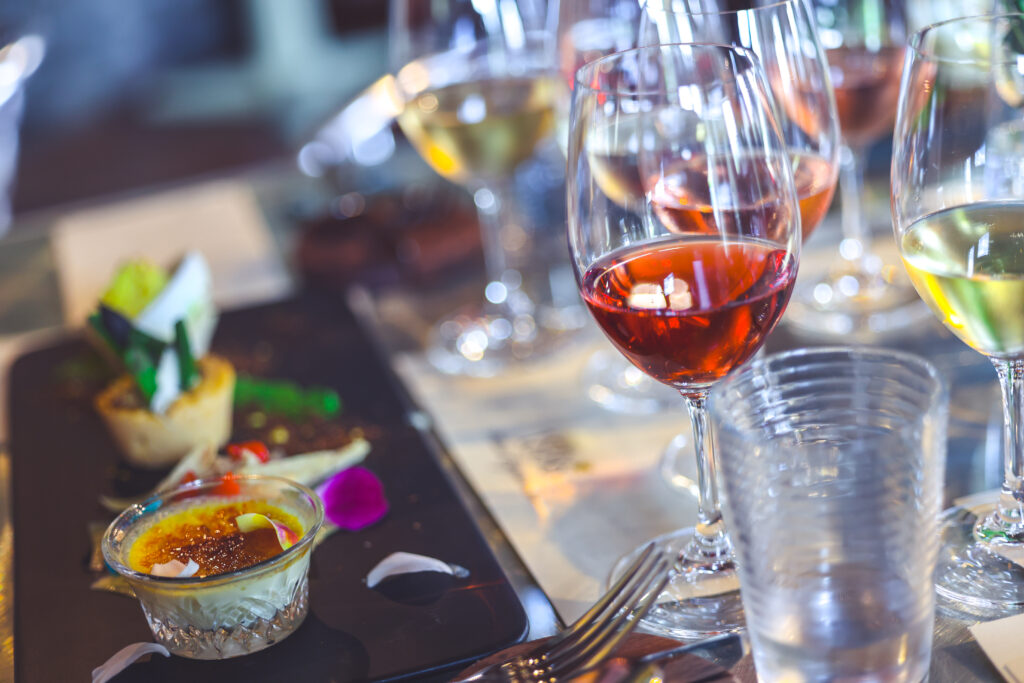
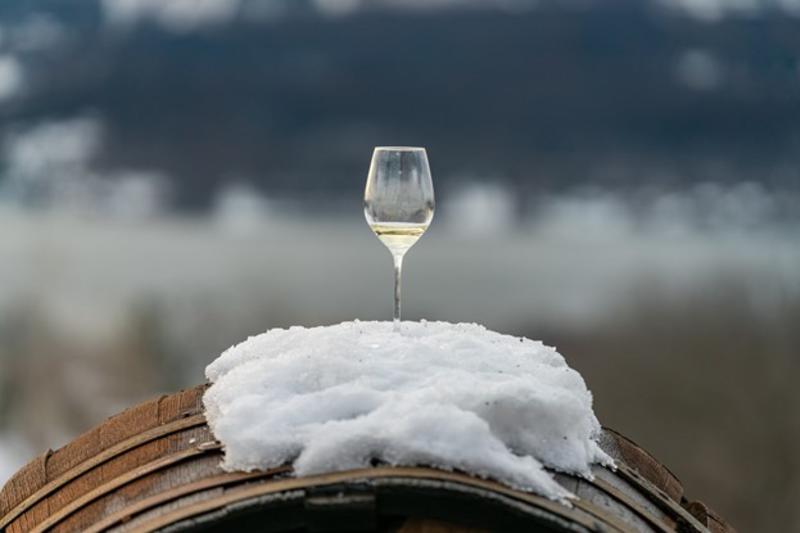
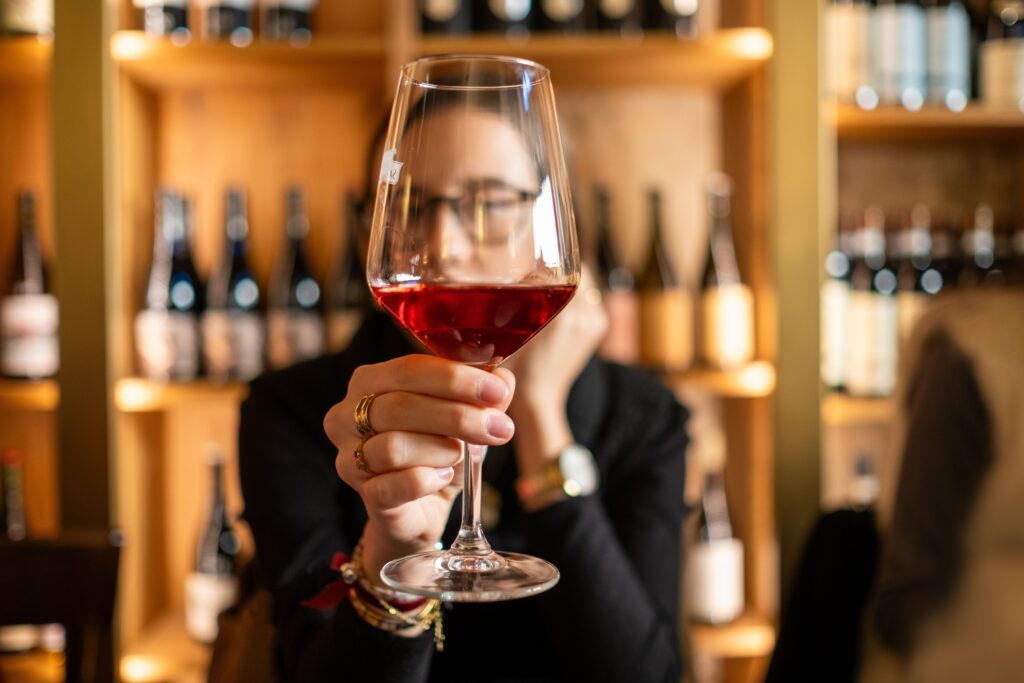
But here’s the thing: some of the most interesting moments in wine country happen in mud season. The winemakers are finishing their barrel work. New vintages are being bottled. The tasting room staff have time — real time — to talk about what’s in the glass, where it came from, and why this particular valley’s drainage produces Riesling with that particular character.
You won’t get that conversation in July.
Is the Finger Lakes Open During Mud Season?
Yes — and this is worth knowing, because a lot of people assume the wineries close down after the holidays and don’t wake up until Memorial Day. They don’t. The three wine trails — Seneca Lake Wine Trail, Keuka Lake Wine Trail, and Cayuga Lake Wine Trail (America’s oldest, established in 1983) — all have wineries open year-round, including during the shoulder season.
What changes in mud season: hours tend to be slightly reduced on weekdays, and calling ahead or checking a winery’s site before you go is smart. What doesn’t change: the wine is excellent, the views are extraordinary, and you’ll almost certainly get a more personal experience than any other time of year.
The Case for Mud Season: Five Reasons Worth Knowing
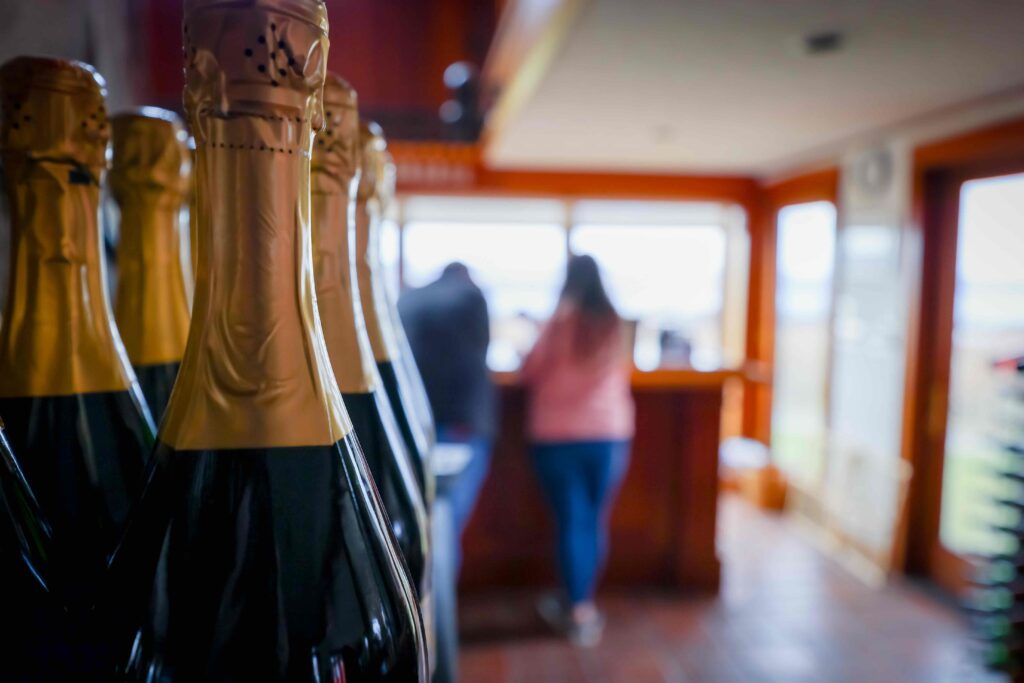
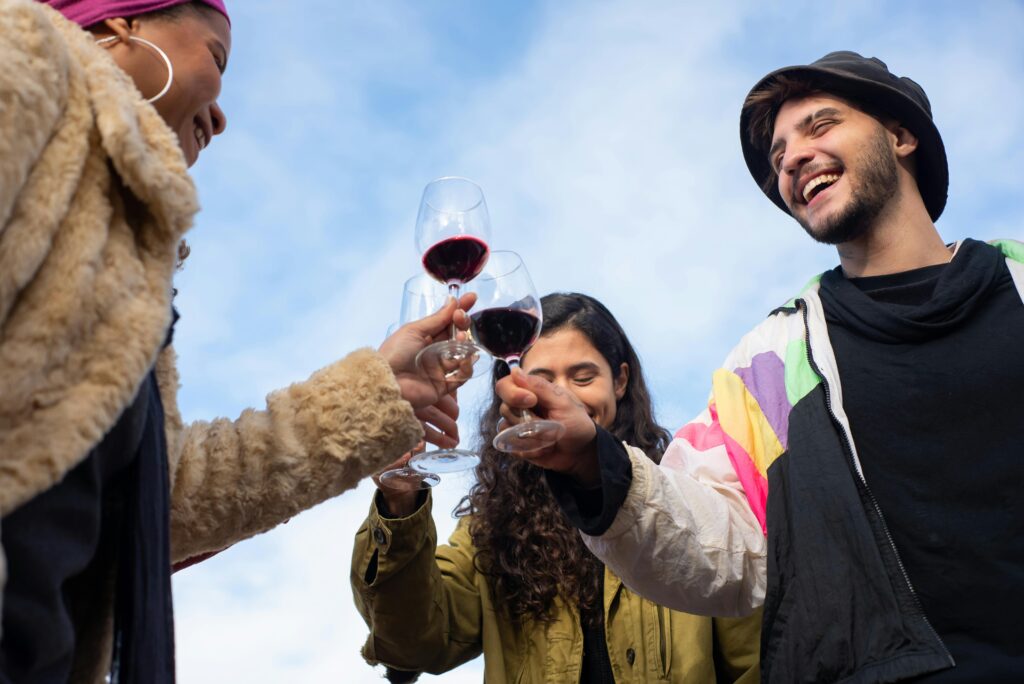
1. You get the winemakers. During peak season, tasting rooms run at full tilt. In mud season, you’re more likely to end up in conversation with the owner, the winemaker, or someone who has been farming this land for decades. That conversation is part of what people come back for — it just usually takes multiple visits to find it. In mud season, it finds you.
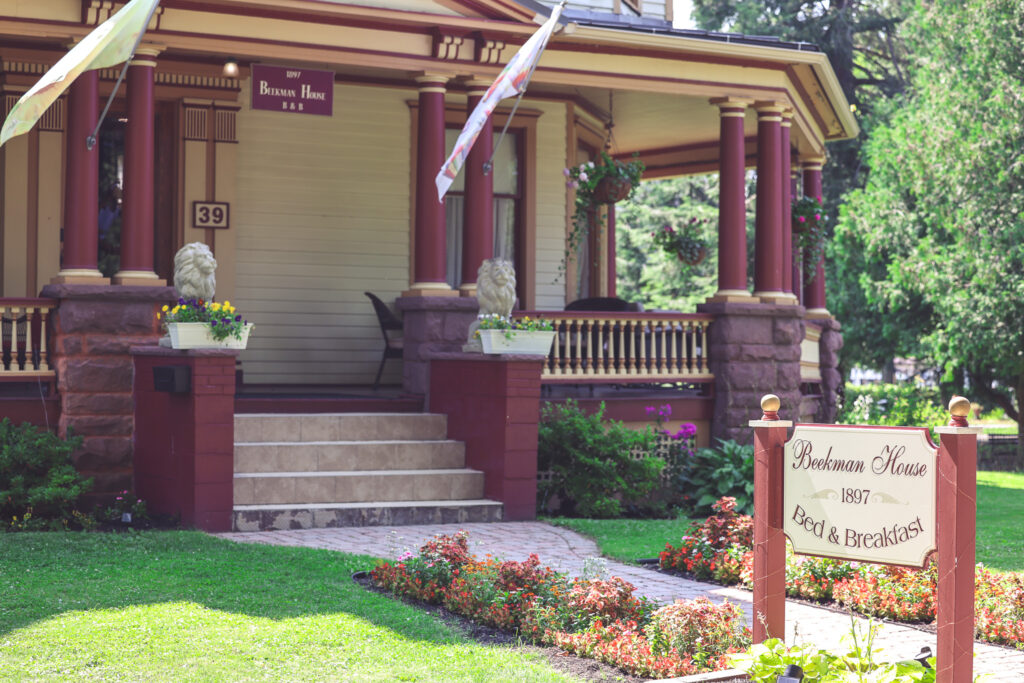
2. The value is real. Accommodations along the lakes — boutique inns, lakeside B&Bs, farmhouse rentals — are at their lowest rates of the year during the shoulder season. Wine country on a weekday in April is wine country without the weekend premium.
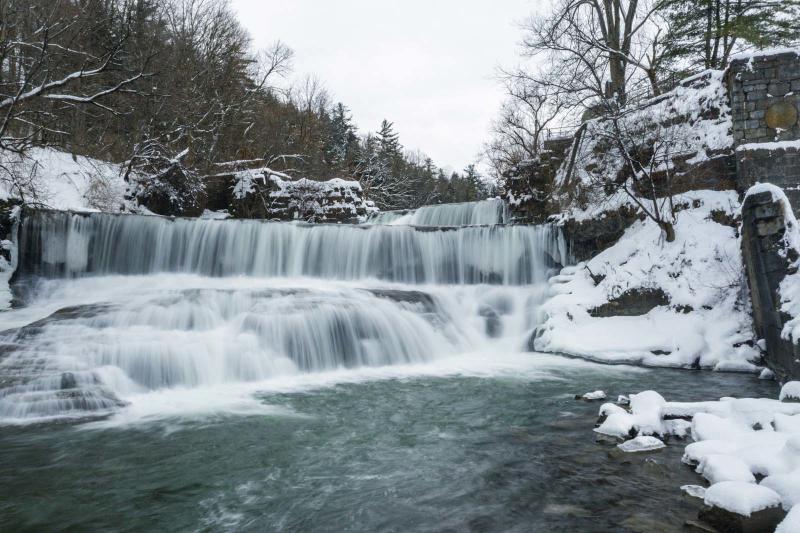
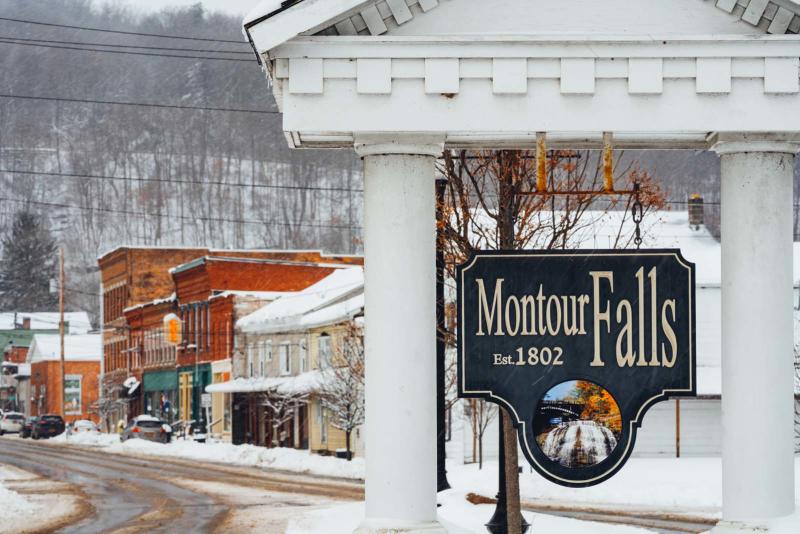
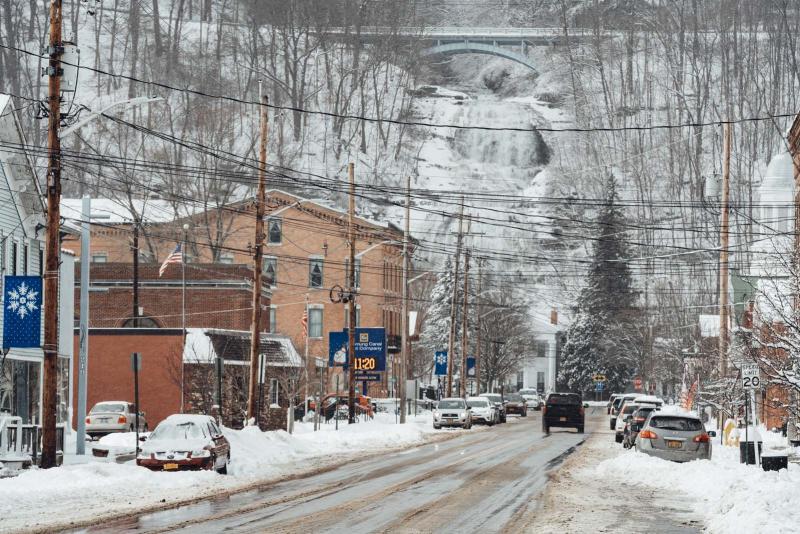
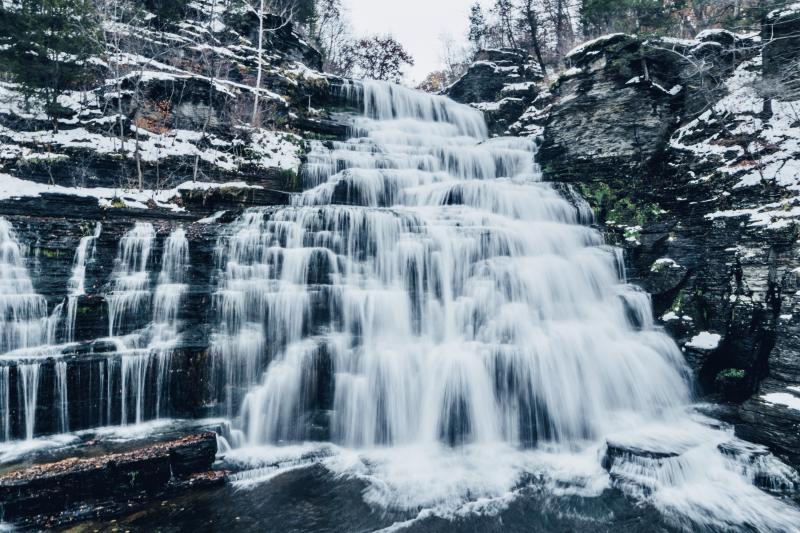
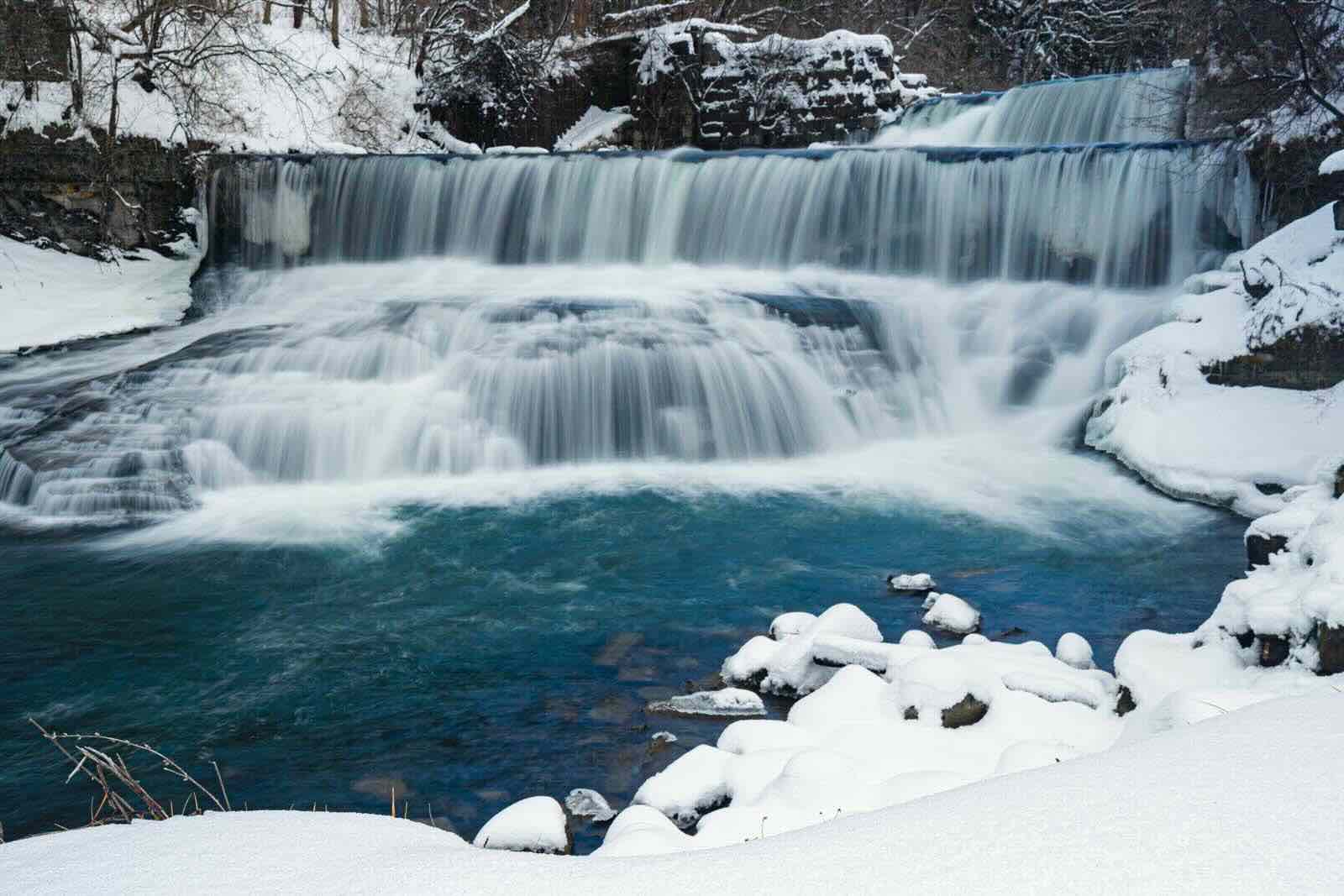
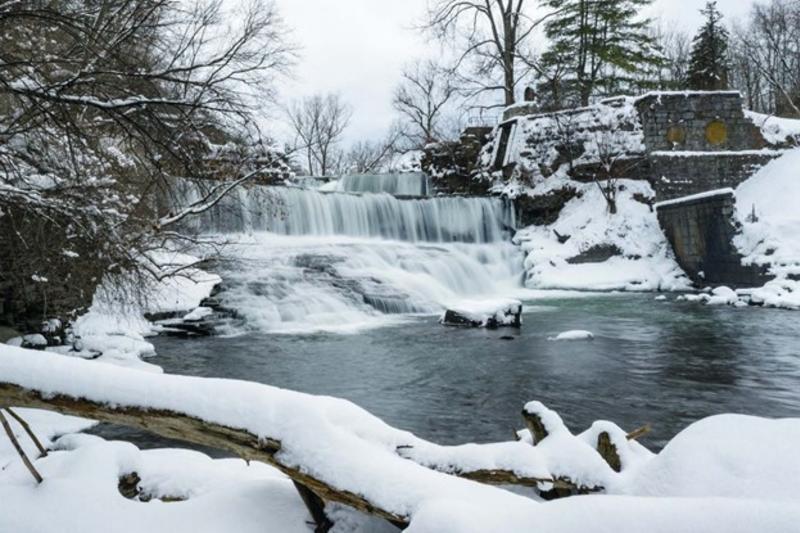
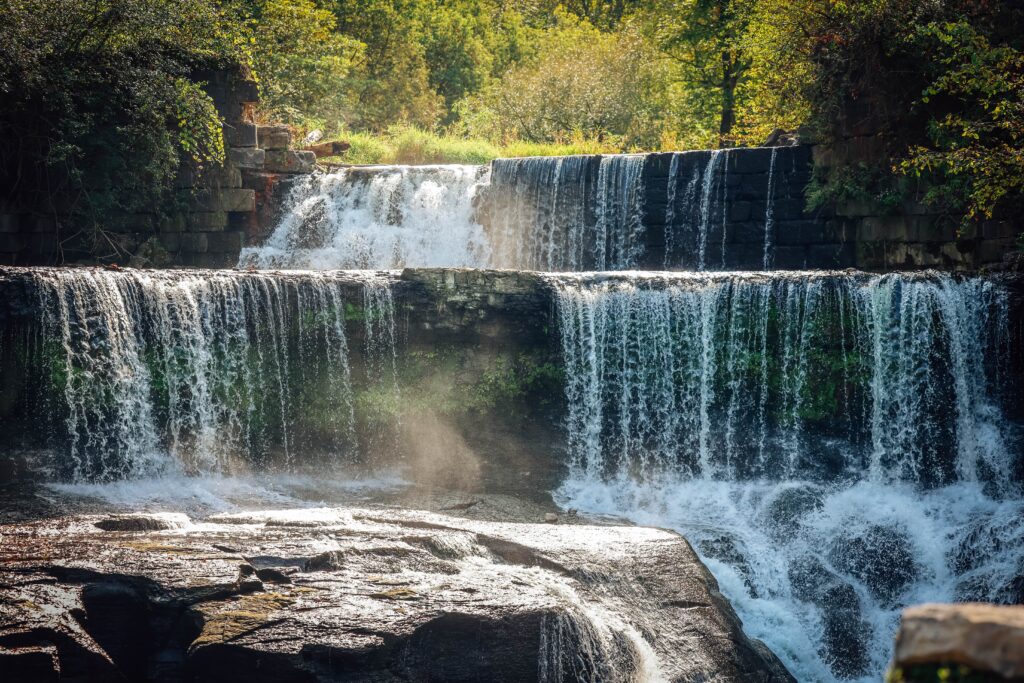
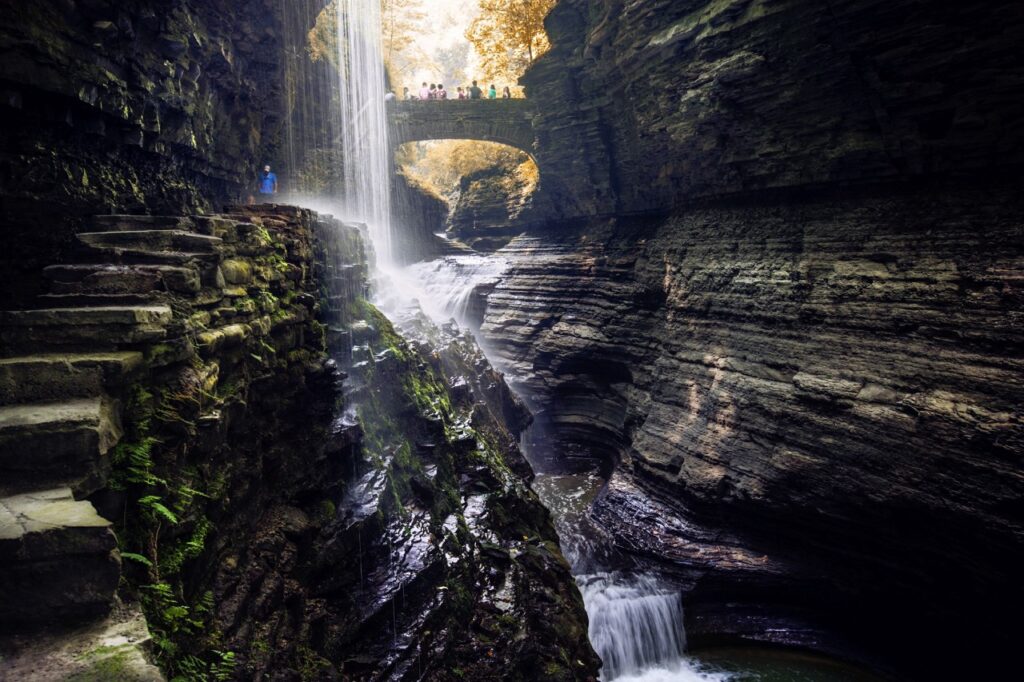
3. The waterfall timing is extraordinary. The gorges and waterfalls of the region — Watkins Glen State Park, Havana Glen, Eagle Cliff Falls near Montour Falls — run at their most dramatic in spring, fed by snowmelt and April rains. Watkins Glen’s famous gorge trail reopens in mid-May, but the overlooks are accessible year-round. Catching a Finger Lakes gorge in full spring flow, before the crowds arrive, is genuinely memorable.
4. New vintages are coming out. Late winter and early spring is when many Finger Lakes producers release the previous year’s wines. Being in the tasting room when a new vintage of dry Riesling or Cabernet Franc is making its debut — and being one of the first to taste it — is the kind of thing wine lovers specifically seek out. In mud season, that’s just what’s happening.
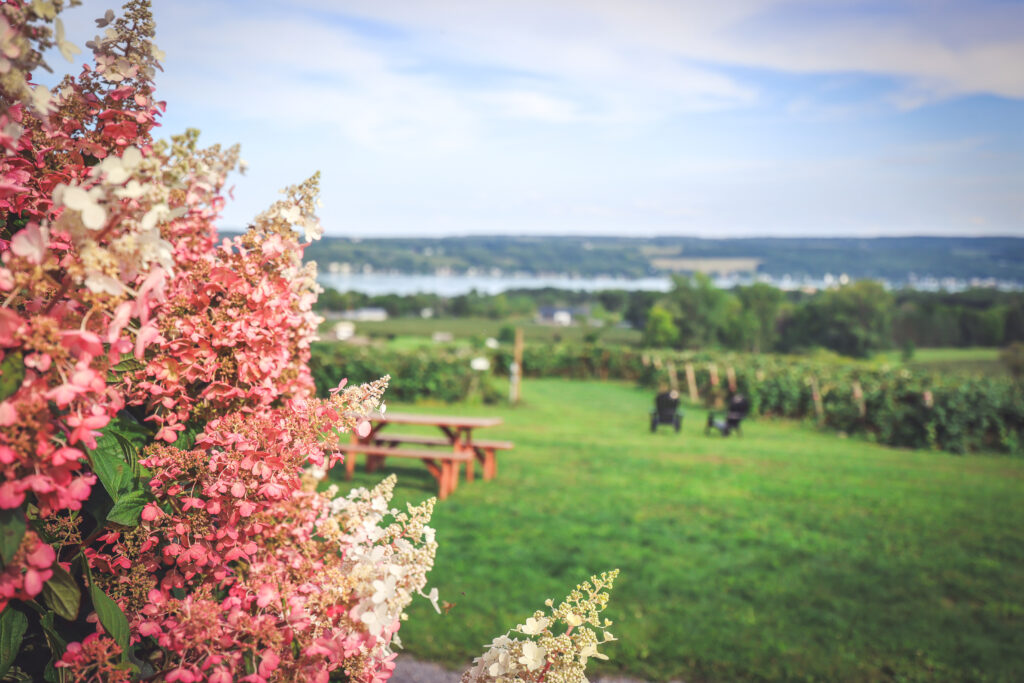
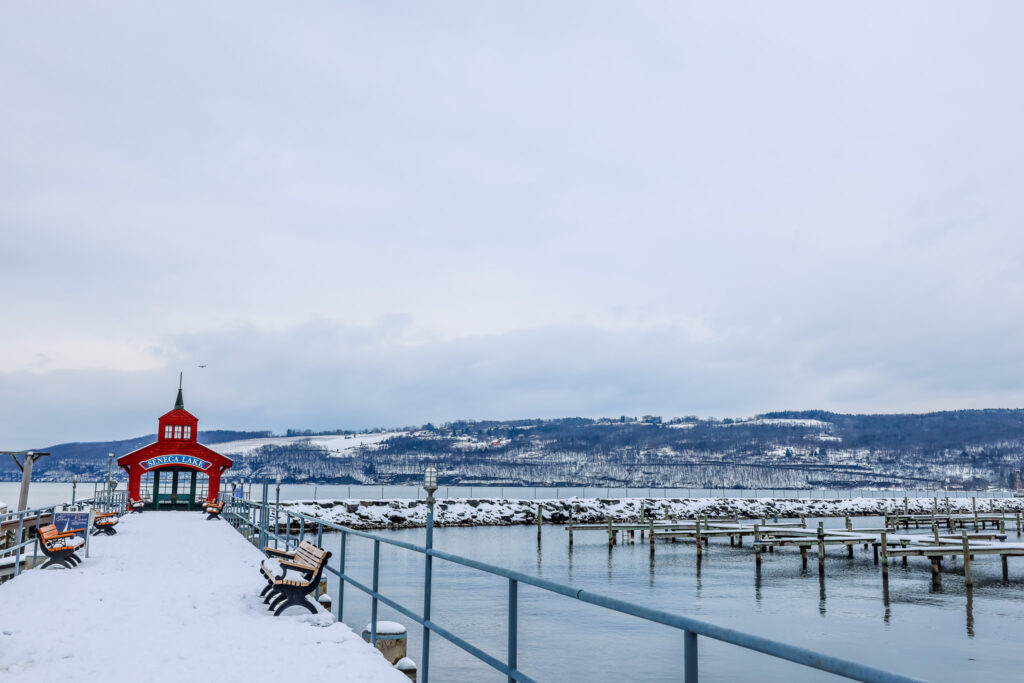
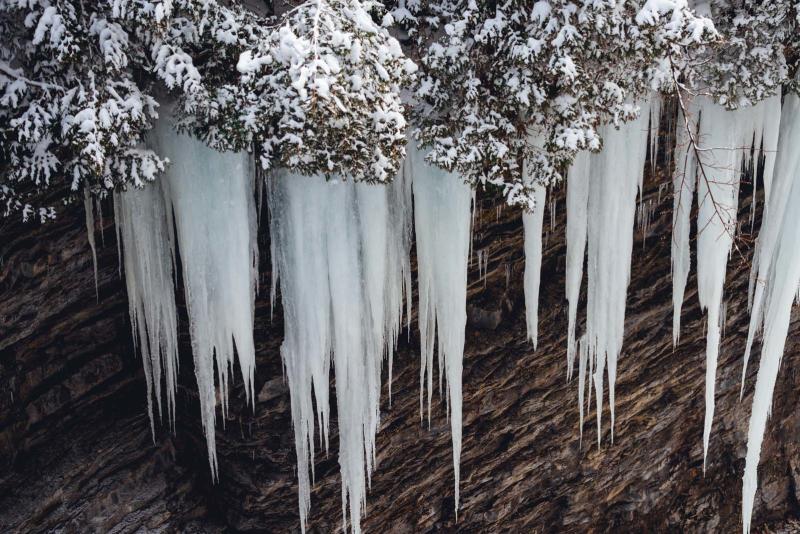
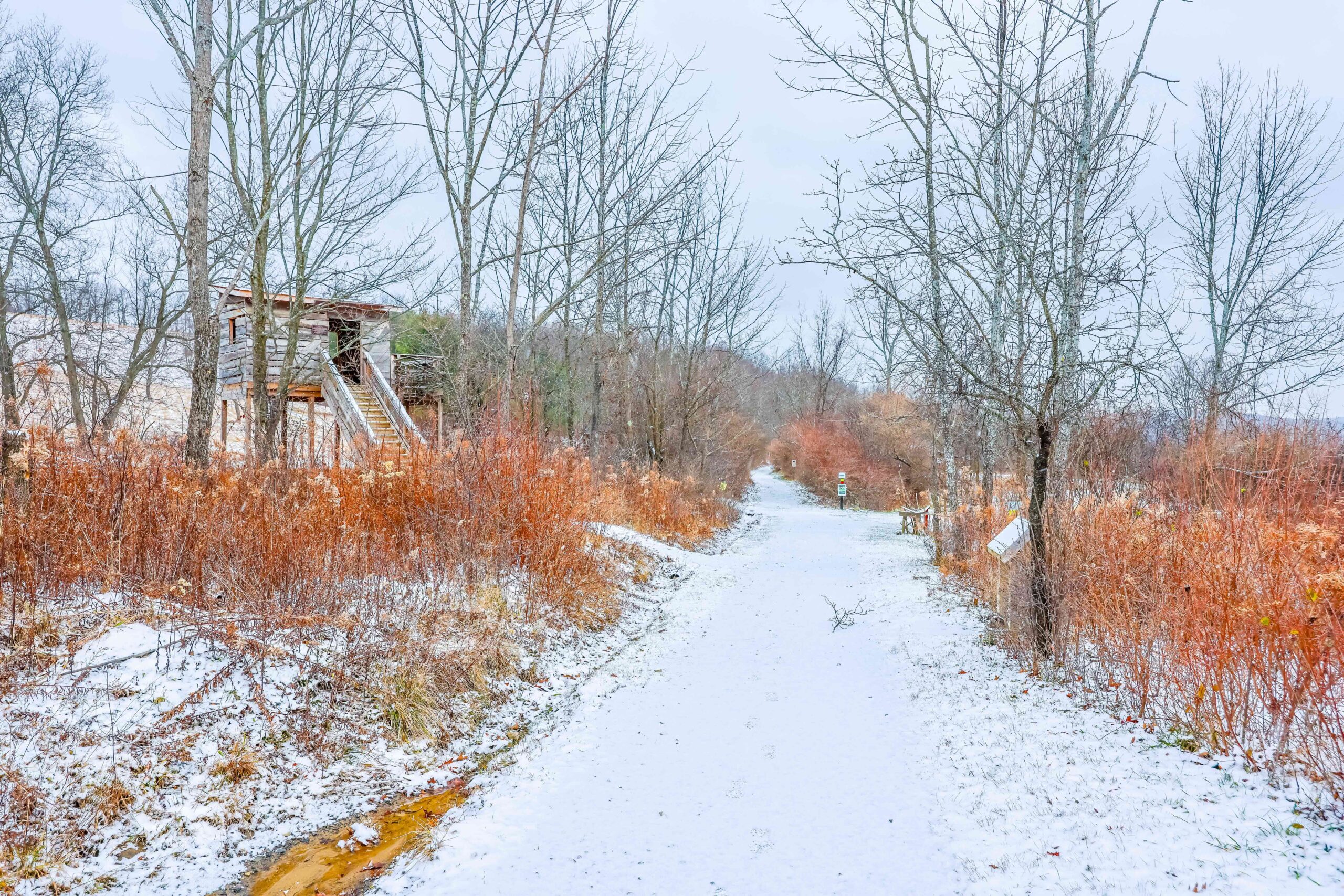
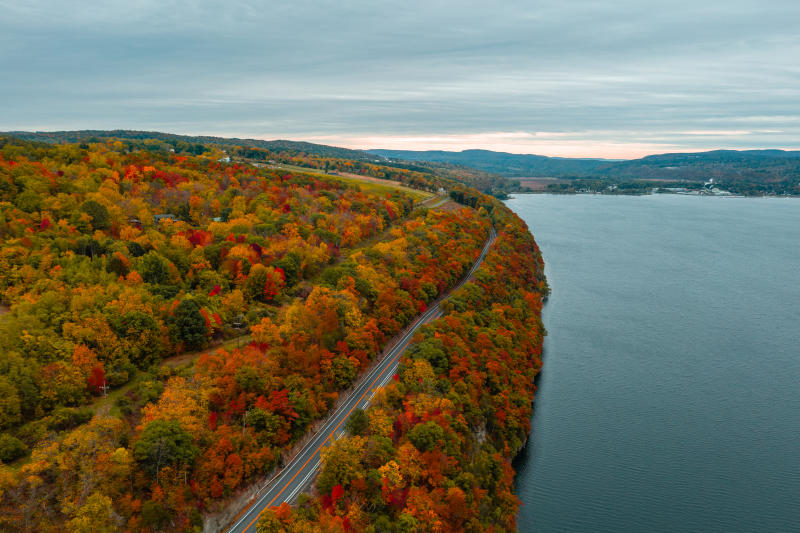
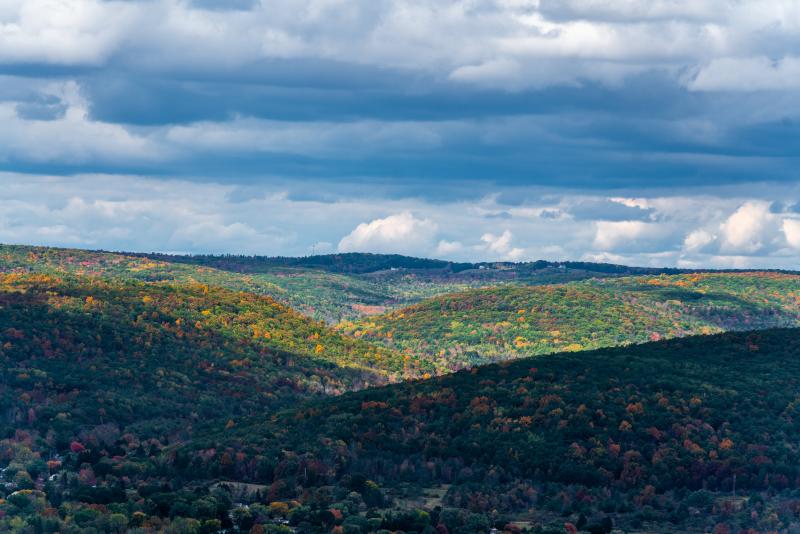
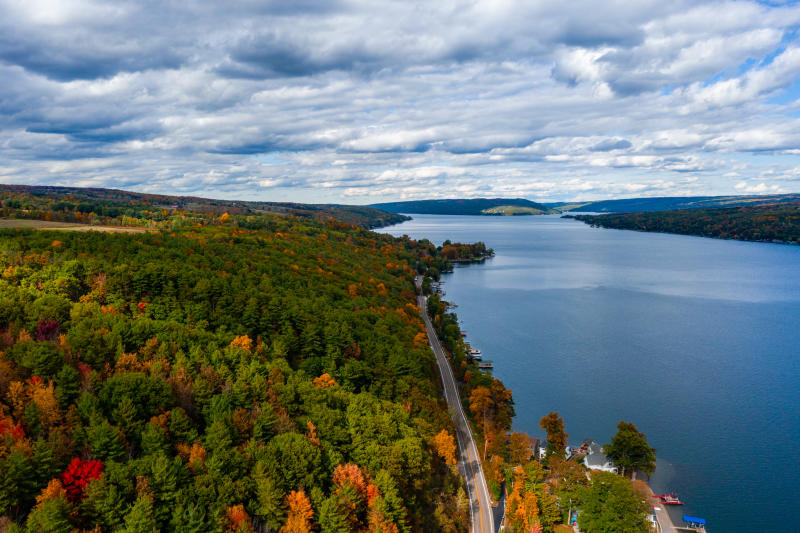
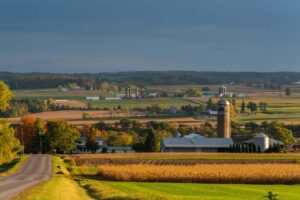
5. The landscape does something unusual. Late March and April in the Finger Lakes is the season of contrast: bare vines against pewter-colored lakes, the first green pushing through brown hillsides, the air carrying that particular combination of cold lake water and warming soil. It’s dramatic in a completely different way from autumn foliage. Photographers and painters have known about mud season for years.
Where to Go During Mud Season
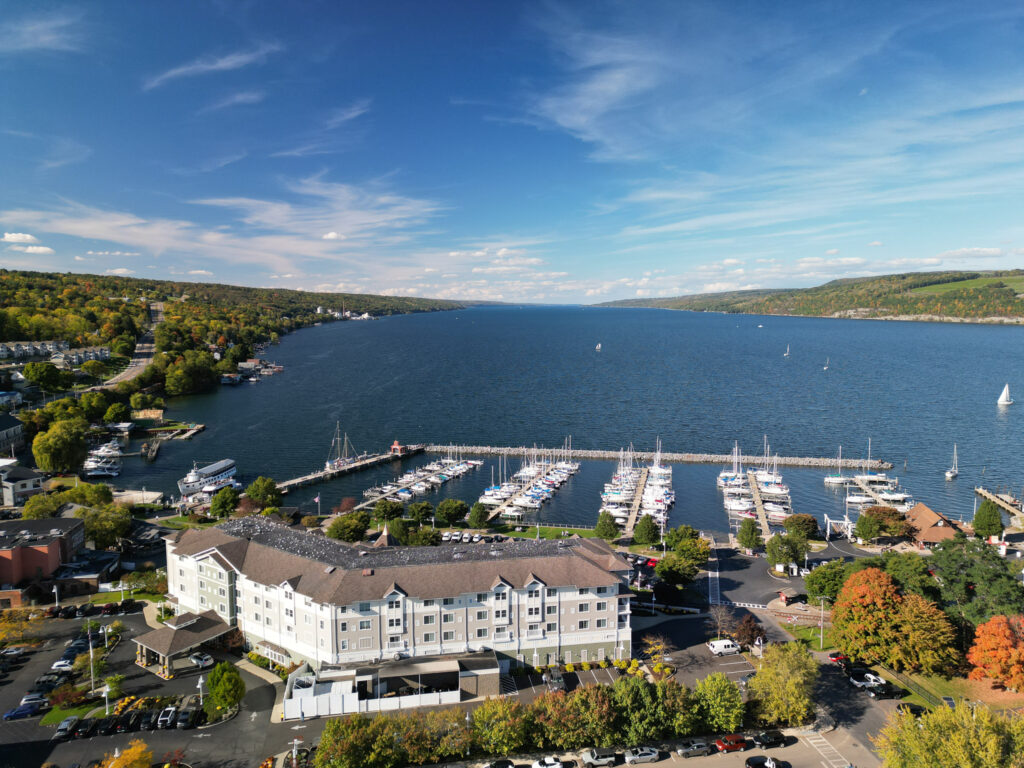
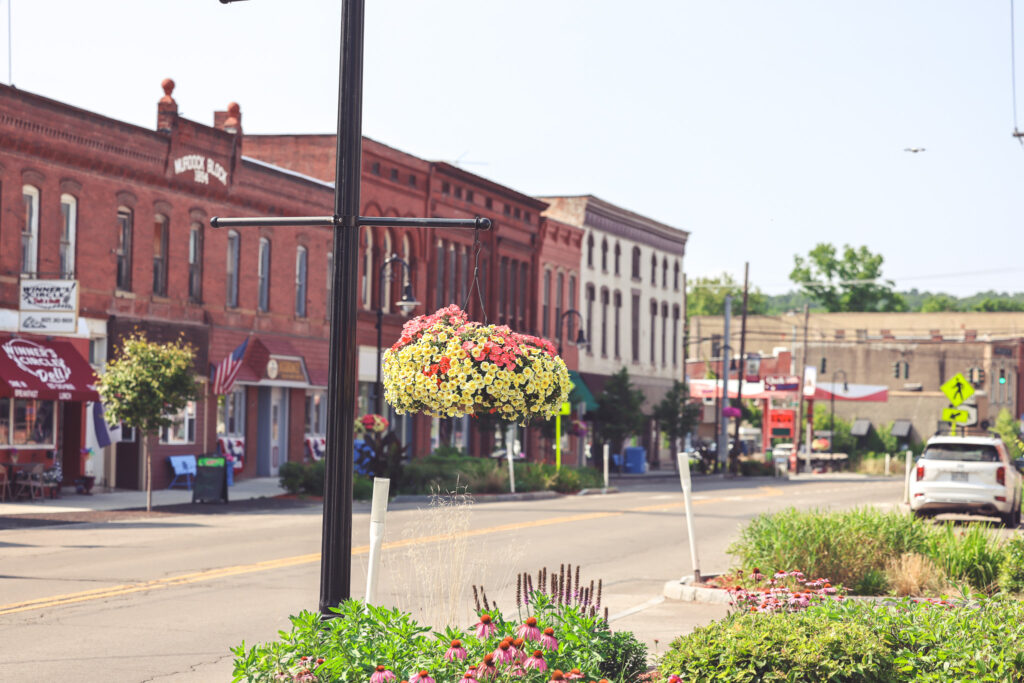
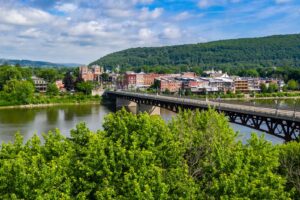
Start on the Seneca Lake Wine Trail, where you’ll find over 35 wineries running the length of the largest of the Finger Lakes. Watkins Glen, at the southern tip, makes an ideal home base — the village itself is compact, charming, and walkable, with good food options even in the off-season.
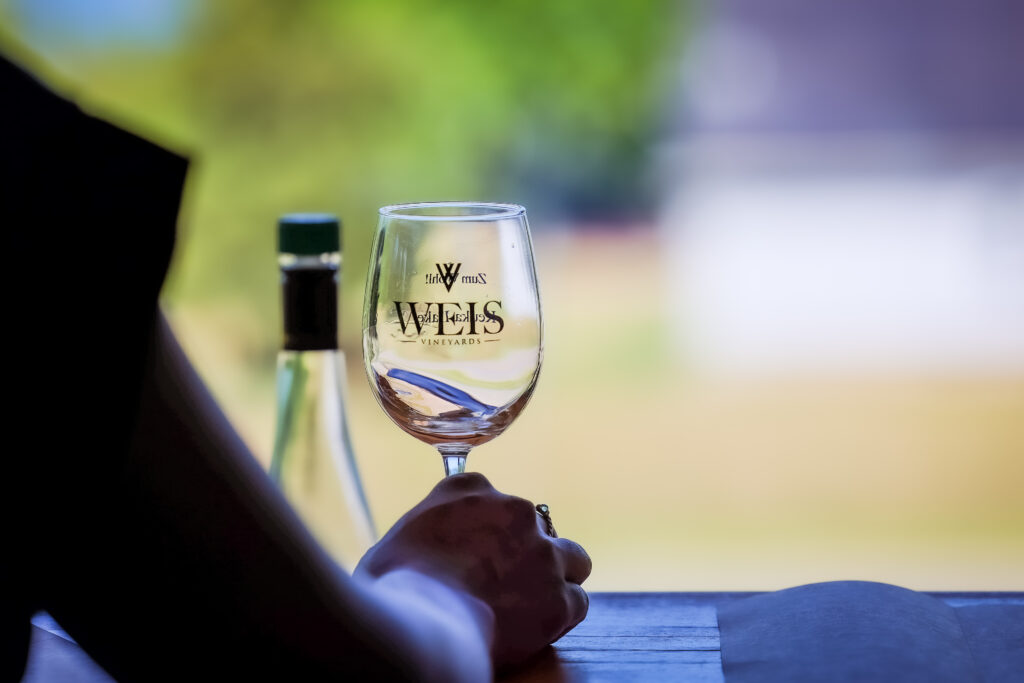
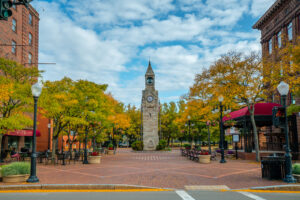
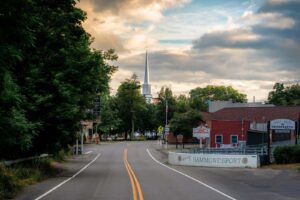
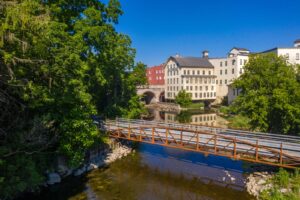
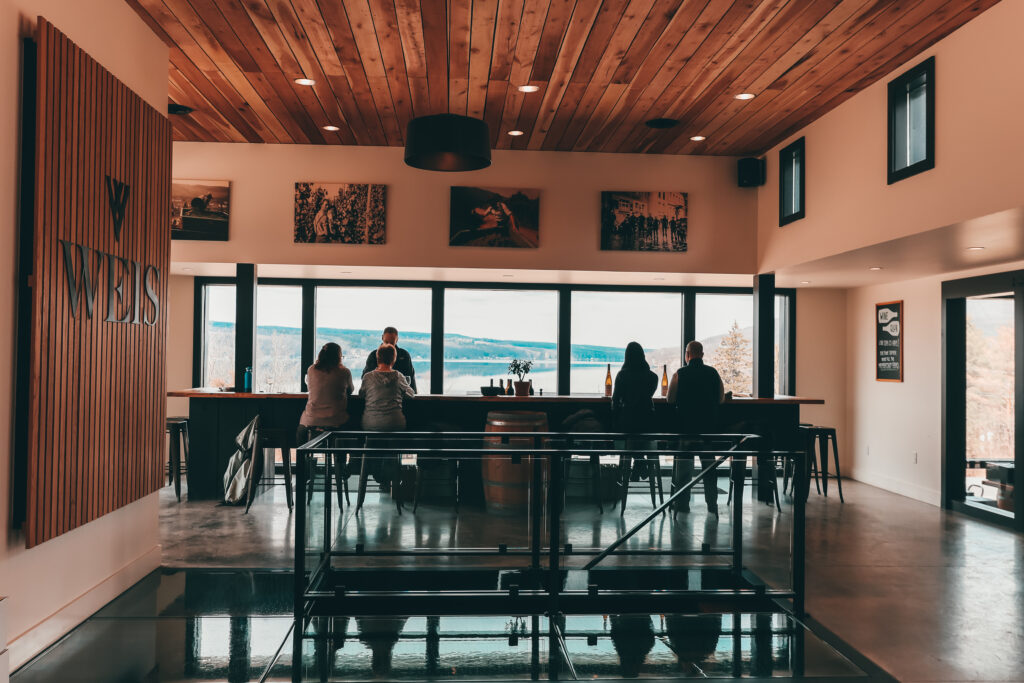
For a quieter, more intimate wine trail experience, the Keuka Lake Wine Trail — the Y-shaped lake tucked between Seneca and Canandaigua — has some of the most scenic winery drives in the region. Hammondsport at the lake’s southern tip is one of those small American towns that punches well above its size in character, dining, and historic architecture. And it’s worth noting: Hammondsport’s own Weis Vineyards is the reigning New York Wine Classic Winery of the Year — named the best winery in the state in both 2024 and 2025.
The Bigger Picture
The Finger Lakes was named Wine Enthusiast‘s 2025 American Wine Region of the Year — the highest profile recognition an American wine region can receive, awarded to a community of more than 140 wineries across 10,000 acres of vineyard. The judges called it a “hotbed of innovation,” praised its cool-climate Riesling, Cabernet Franc, and sparkling wines, and singled out the collaborative, family-owned culture that makes the region genuinely different from larger, more corporate wine destinations.
All of that is true in August. It’s also true in April — with 80% fewer people, open tables at your first choice of restaurant, and a winemaker sitting across from you with time to talk.
That’s mud season. Go anyway. You’ll be glad you did.